
Time to celebrate!
Samhain and not Halloween? Actually, Halloween has its roots in the Celtic celebration of Samhain.

Samhain, pronounced SAH-win, has been celebrated for at least 2000 years and may have originated in an even more ancient celebration dating back about 5000 years. Found in all the Gaelic areas, Samhain is first mentioned in the first century B.C.E. on a bronze calendar found in Gualtic France—the first mention in Irish literature is from the 9th century. It literally translates to ‘summer’s end’. It is also the mark of the Celtic new year. I guess we can think of Samhain as a New Year’s Eve party spent with ghosts and Celtic creatures.

It’s the most important of four fire festivals marking the end of the light half of the year (summer) and the coming of the dark part of the year (winter). Most cultures have some sort of harvest festival, but Samhain has influenced the way we celebrate Halloween today.
The name for the month of November in Irish is Samhain, coming from the celebration on roughly 1 November. There were no calendars, so this fell halfway between the autumnal equinox and the winter solstice. The night before, (Oct 31st), was the fire festival to celebrate the harvest and prepare for winter. The Celtic day began and ended at sunset.
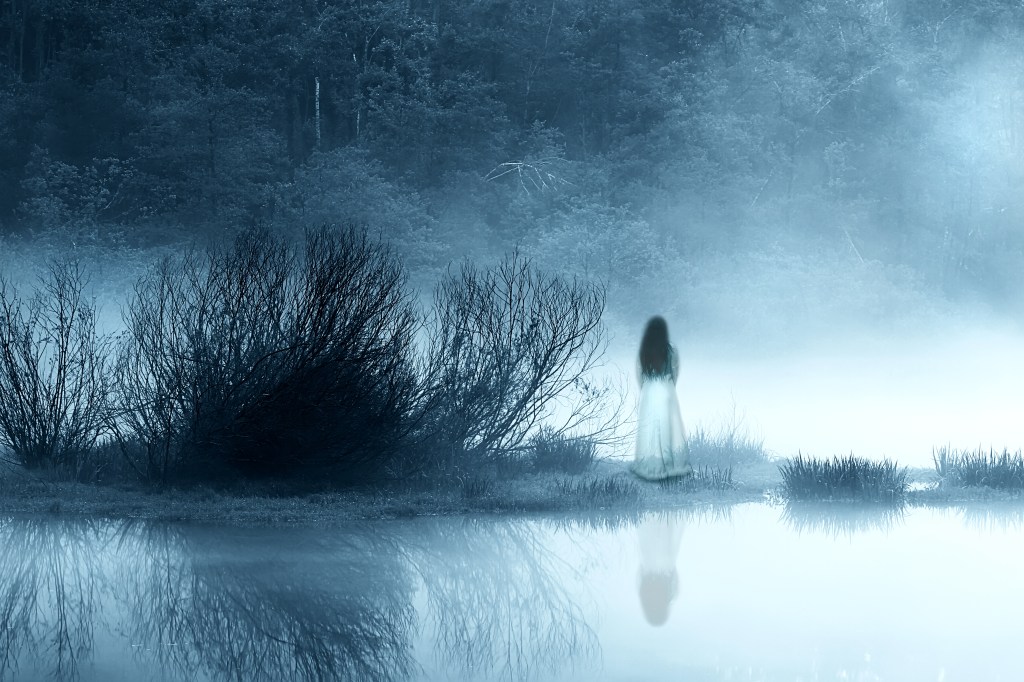
It was also the night when the veil between the spirit world and physical world was at its thinnest. In folk lore, it was the day that the Hollow Hills would open and the sidhe (she), fairies and magical creatures, were allowed to walk among the living. Hence, all sorts of supernatural things were expected to happen.
Three days and nights marked the mandatory celebration of Samhain. Clans and villagers reported to local rulers or chieftains. The night began with a huge bonfire. The bones of animals were thrown into the fire, and animals may also have been sacrificed; if not for the fire, at least for the feast. Apples were also roasted in the fire. Household fires were put out and relit with a torch from the bonfire.
Meals were prepared for the living and honored ancestors who had passed away. To ward off evil spirits or impish fairies, people dressed up as animals or monsters to confuse them.
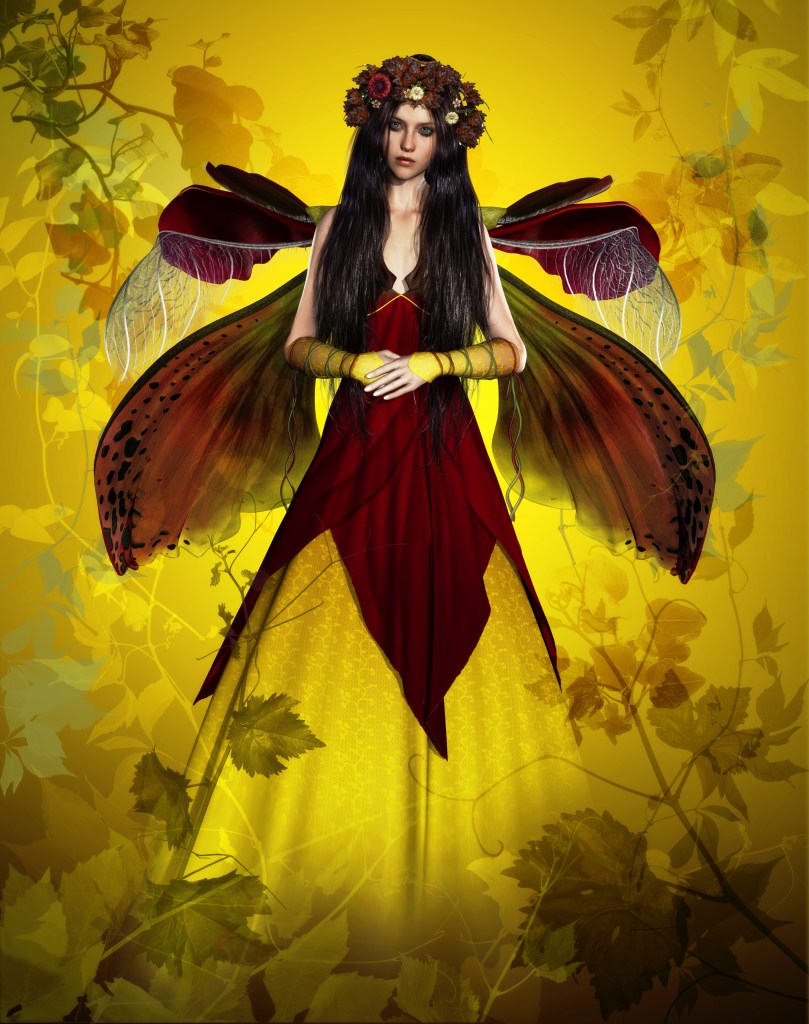
Here are a few of the creatures you might run into: The Dullahan. He (sometimes she) is a dark fairy who rides a flame-eyed horse through the night carrying his/her head either in his/her lap or held high for all to see. (Sound like Sleepy Hallow?) It is a harbinger of death. You’ll want to hide, not only because it’s scary, but it will blind you if you see it! Donn. A Milesian invader who was defeated by the Tuatha De Dannan and drowned in the Irish sea. He became the keeper of the gates to the underworld. Spirits pass through those gates on Samhain eve. The Pooka. This is a shapeshifter who comes to the festival of Samhain for gifts from the harvest. An ancient fairy, also know as a Puca—Puck…Maybe that’s where Shakespeare got his idea from? Another headless creature to be aware of on Samhain eve is Lady Gwyn. She and her black pig will chase you if she sees you. Cat Sith. (Sith is a form of sidhe—Star Wars, anyone?) This is a black fairy cat with a white mark on its chest. And how black cats became a part of Halloween. If you left a bit of milk for the Sith, it would bless your house. If not, you were cursed.

Trick or Treat and the Jack-O-lantern. Children on Samhain eve would dress up and go to their neighbors and ask for a treat. If they didn’t receive a treat, the children would come up with a harmless prank. Does anyone remember Mischief night? It was the night before Halloween when it was all right to do harmless pranks, like on April’s Fools Day. As well as stuff like soap windows, toilet paper trees, etc. It’s probably a good thing it isn’t popular now. But that’s the basis for the trick part of Halloween.

Stingy Jack. He apparently tricked the Devil twice and made a deal that the Devil couldn’t take his soul. When Jack died, he wasn’t allowed in Heaven, so he had to roam the bogs for eternity. He was given a lump of coal to light his way. He carved out a turnip and put the coal inside. Jack of the Lantern—Jack-O-Lantern. Since Samhain, people carved large turnips into scary faces to ward off any evil from sidhe or Jack.
In the 8th century the catholic church added All Souls Day or All Hallows, Nov 1, to the mix in order to change the pagan holiday into a Christian one meant to honor ancestors and saints. All Hallow’s Eve was shortened to Halloween.
When Irish immigrants came to America, they brought these Halloween traditions with them. The pumpkin was easier to carve, so it became the lantern for poor old Jack.
Ireland has a couple of awesome festivals celebrating traditional Irish Samhain/Halloween customs. The Puca Halloween festival, which lasts for four days, in County Meath, needs to be on your schedule if you’re in Ireland at that time. Take a look here to check it out: https://pucafestival.com/ (Even if you don’t go, the videos and pictures, along with interesting information is fantastic!)
Then there is the Derry Halloween Festival – the largest one of its kind in Europe. It’s held inside 400-year-old city walls. It includes light shows, acrobats, and fireworks. Interested? https://derryhalloween.com/ Again, just looking at the site is fascinating.
Both events have free parts and ticketed parts.
What is your favorite Halloween tradition? Do you know where it originated?
If you’d like to dig even deeper into any of these stories, here are some links to great articles and videos: https://www.newgrange.com/samhain.htm
https://www.history.com/topics/holidays/samhain
https://www.history.com/news/history-of-the-jack-o-lantern-irish-origins
https://www.ancienttexts.org/library/celtic/jce/samhain.html


Love these! We need to reawaken the stories and know why we even dress up! 🙂 I love it!!! My favorite was the story about Jack.. or maybe it was the sith… or all the connections these things have to pop culture! 🙂
LikeLike