Beltane

.

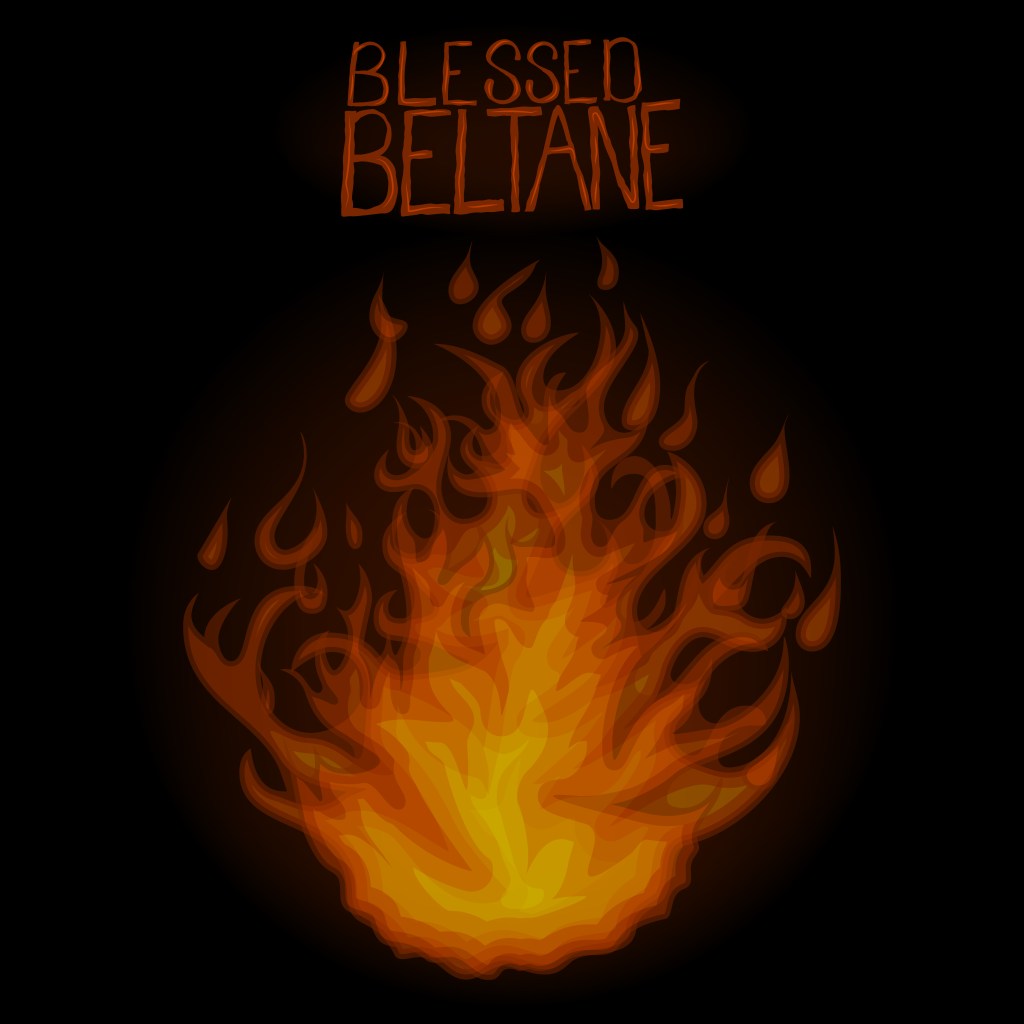
There are eight main (once) sacred days in Ireland. Imbolc/St. Brigid’s day, Ostara, Beltane, Litha, Lammas, Mabon, Samhain, and Yule. Since it’s almost May, I’m going to highlight Beltane.
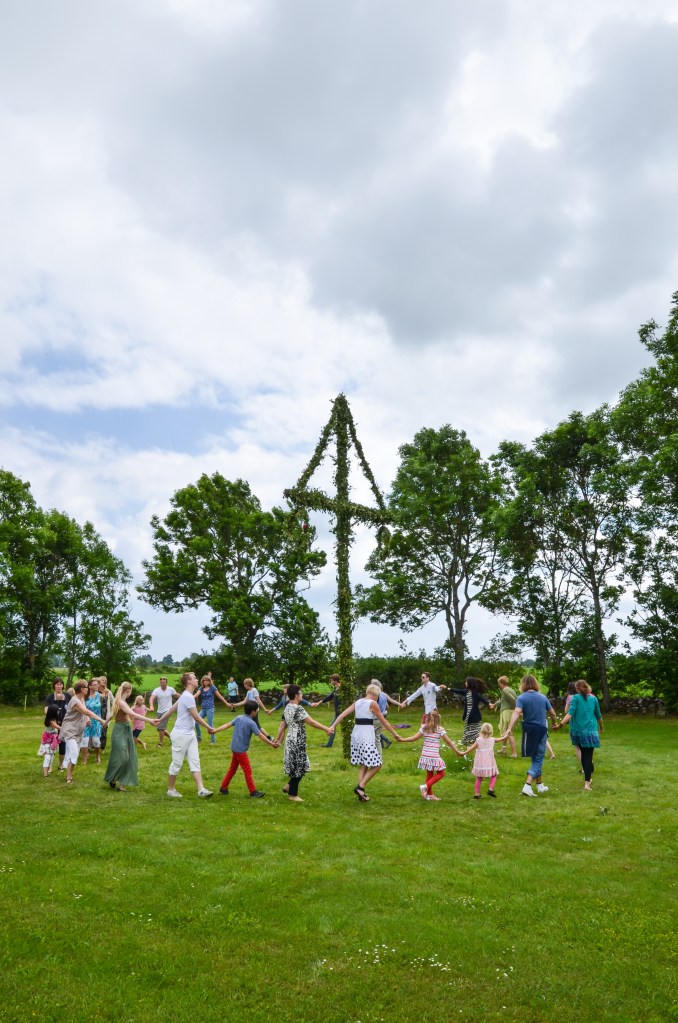
Beltane is celebrated on the 1st of May. In the United States, you may have celebrated or heard of May Day. I do remember having special spring things at school for May Day and one park near my apartment went all out. There was a flag pole in the center of the park and on May Day, they tied colorful ribbons to the top and children would take the bottom end and skip around the pole, twisting the ribbon around it. Then we’d make flower crowns and have cupcakes. I was surprised that no one I know in the west remembers any May Day celebrations. Maybe it’s all the Irish in the east? At any rate, May Day comes from Beltane.

Beltane is about halfway between the spring equinox and the summer solstice. It is a Celtic word for “the fires of Bel”. Bel is most likely Belenus, the sun god. There are other spellings, which then would interpret as ‘a bright fire’, or ‘a lucky fire’. Pagans (then and now) light two bonfires, believing that the smoke purifies and increases fertility. One could dance around the flames or jump over them. In the old days, they’d run cattle between the two fires. It is celebrated in Ireland, Scotland, the Isle of Man, Wales, Devon, and Cornwall. (This is the Gaelic regions of the British Isles.)
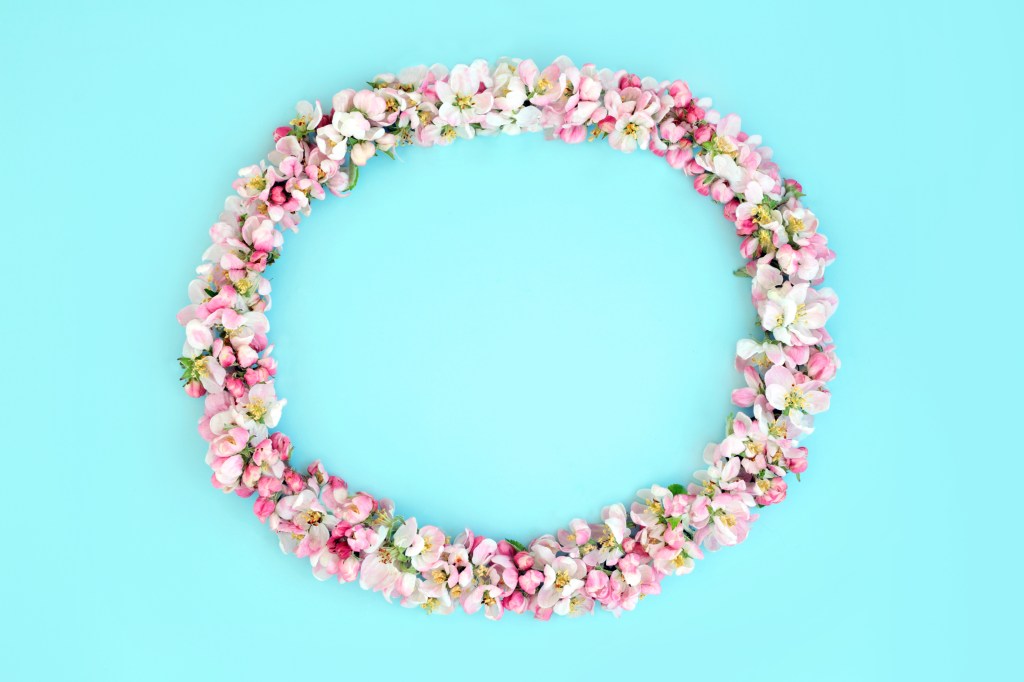
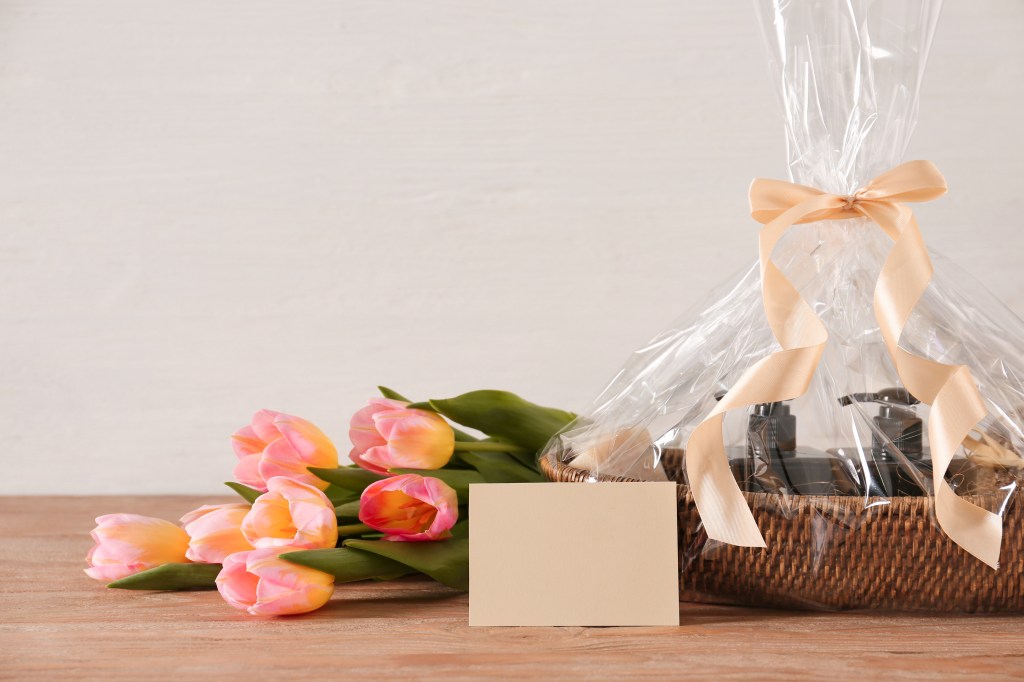
This is a time that pays tribute to Mother Earth and Father Sun. Modern day Pagans/Wiccans/Etc. have revived many of the celebrations. Some fun activities you can do is weave flower crowns, create your own May Pole, and my favorite suggestion is to create a May basket with flowers/seeds/spring type things, and bring it to someone who may need cheering up.

If you think about how hard survival was in the past, especially making it through winter, it’s easy to see how celebrating spring makes sense. Warmth, food, baby animals, and life returning to the world after living through a bitter time would be joyous. Maybe we take spring for granted and giving a nod to some of the old ways can show gratitude for all we have. After all, there is something magical in budding leaves and those flowers peeking out of the ground, brown grass turning green, and a breeze blowing warm instead of cold.

Hmmm, what should I put in my May basket?
If you happen to be in a place that does celebrate Beltane, you might want to join the festival. See what your local area has—you might be surprised. Just so you know, if you search for information on Pinterest or search engines, you’ll start to get a lot of pagan-ish stuff popping up!

All cultures have some sort of spring celebration, so you might want to see what your ancestors did to celebrate spring.

Do you have any May Day memories? Is there a Beltane festival in your area? I’d love to know!
Leprechauns

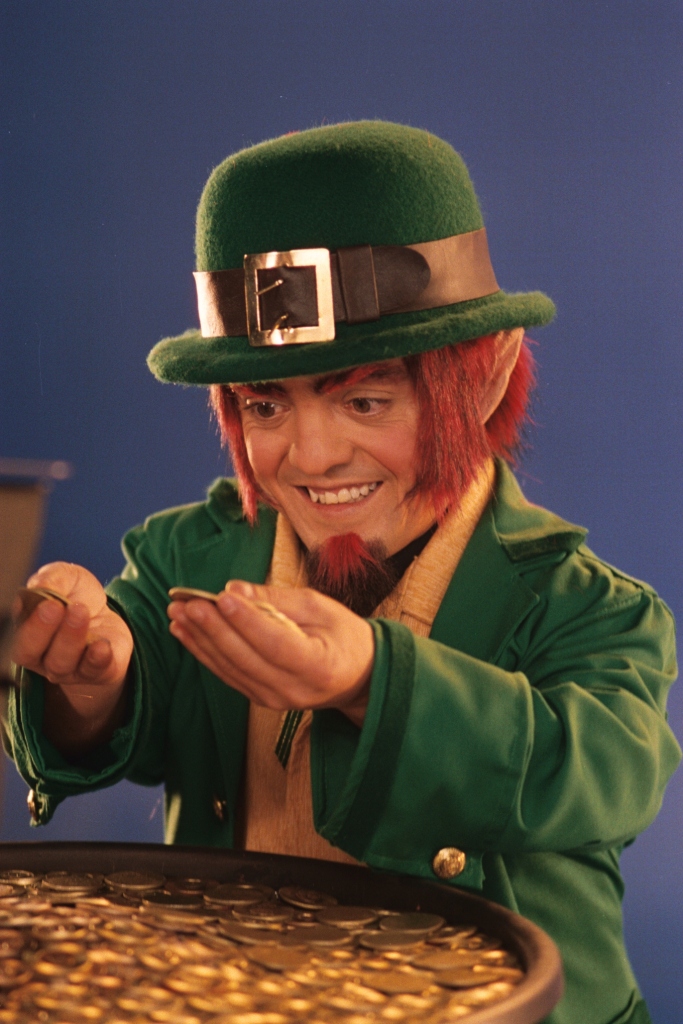
Quick – what’s the first thing that comes to mind when I say, ‘Ireland’? If you thought of a leprechaun, you’re certainly not alone. A wee man, the leprechaun is iconic and several happen to appear across the United States every March. Maybe you’ve seen one.

When it comes to Irish creatures, the leprechaun falls into the not particularly harmful category. We know they are bearded fairies dressed in green (red in older stories), are mischievous, love gold (which they keep hidden at the end of a rainbow), and are rather irreverent, yet loveable. Living alone in remote areas, Leprechauns were typically shoemakers in the tales of yore.

Where did they come from? According to etymonline.com/word/leprechaun, it was thought the word came from the Old Irish luchorpan, meaning “a very small body.” However, Simon Rodway, Michael Clarke, and Jocopo Bisagni (Cambrian Medieval Celtic Studies) believe the root of the word comes from the Roman Luperci. Which is funny since they were young men who ran around naked at the festival of Lupercalia. Due to a couple hundred years and translation errors, these Luperci ended up at the leprechaun we know today. (Sounds like an Irish tale to me…)

The first time leprechauns appear is in a story about Fergus, a king of Ulster, in about the 7th century. Here, leprechauns can live under water and grant wishes.

After the English discouraged all things Irish, the wee folk were kept alive only in folklore. Yeats, the great Irish writer, and part of a revivalist movement to bring back Irish-ness to the world, reintroduced the leprechaun. (Late 19th century) It was a hit!

One of my favorite (new) traditions: Head to the Cooley mountains in County Louth to a placed called Slieve Foye, home to the last leprechauns, in April. Dress up as a leprechaun (or not) and see if you can find any hiding in the nooks of the mountains. If you do see a leprechaun, do not take your eyes from them for even a second as they will disappear. They have storytelling and activities along with the search for the wee folk. 236 leprechauns are known to live there. (I’m not making this up!) https://www.independent.ie/regionals/argus/localnotes/leprechaun-hunt-returns-to-slieve-foy-34541789.html and https://www.thelastleprechaunsofireland.com/

However, you are asked to not capture leprechauns.  Slieve Foye has been granted, by the EU, protected sanctuary rights—meaning leprechauns are protected under European law. (Also protected are animals and flora.)

The Clurichaun is sometimes considered the bad-tempered cousin to the leprechaun. They’re also trickers, but rather than being a man, they take the shape of an old man. They also vanish if you take your eyes from them. Clurichauns are know to like alcohol even more than leprechauns.

If you’re looking for a movie to celebrate St. Patrick’s Day try the classic, Darby O’Gill and the Little People. Finian’s Rainbow is another one. I also enjoyed The Luck of the Irish. There is a horror movie titled Leprechaun, if you’re into that sort of thing. I think that’s just wrong. (Besides, what kind of Irish name is Lubdan Buttowski?)

Meanwhile, wishing you and yours “Leprechauns, castles, good luck and laughter…”

The Ferocious O Flahertys…

From the Ferocious O Flahertys O Lord deliver us”.

How cool is that?

We stayed in a charming little town near Galway, Oughterard, on one of our visits to Ireland. DNA showed all my Irish lines were from the Connaught area, so I asked a friendly store owner where different clans were located. He had a map on the wall showing ancient clan territories. I knew I had Flaherty ancestors—and there they were—right in Oughterard. He told us there was a Flaherty castle just down the road. So, off we went.

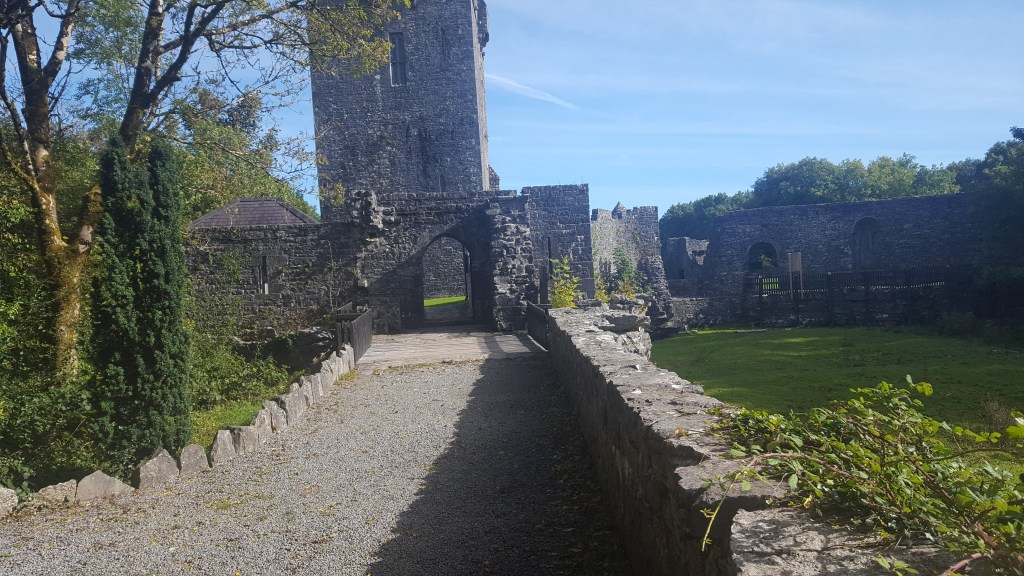
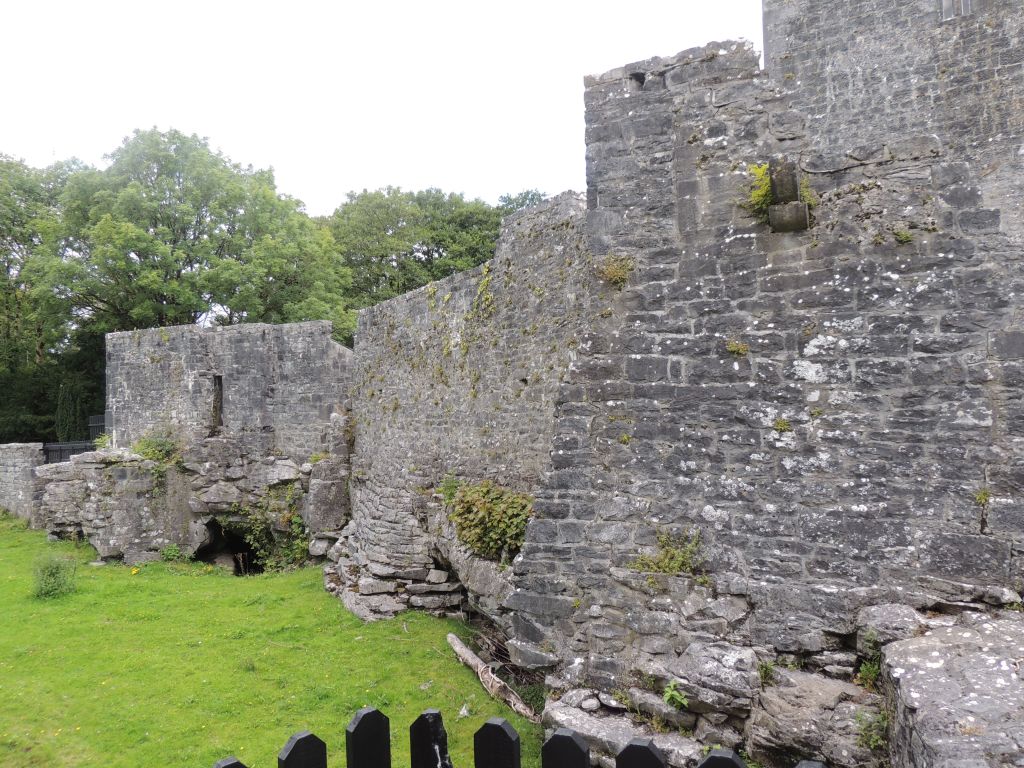
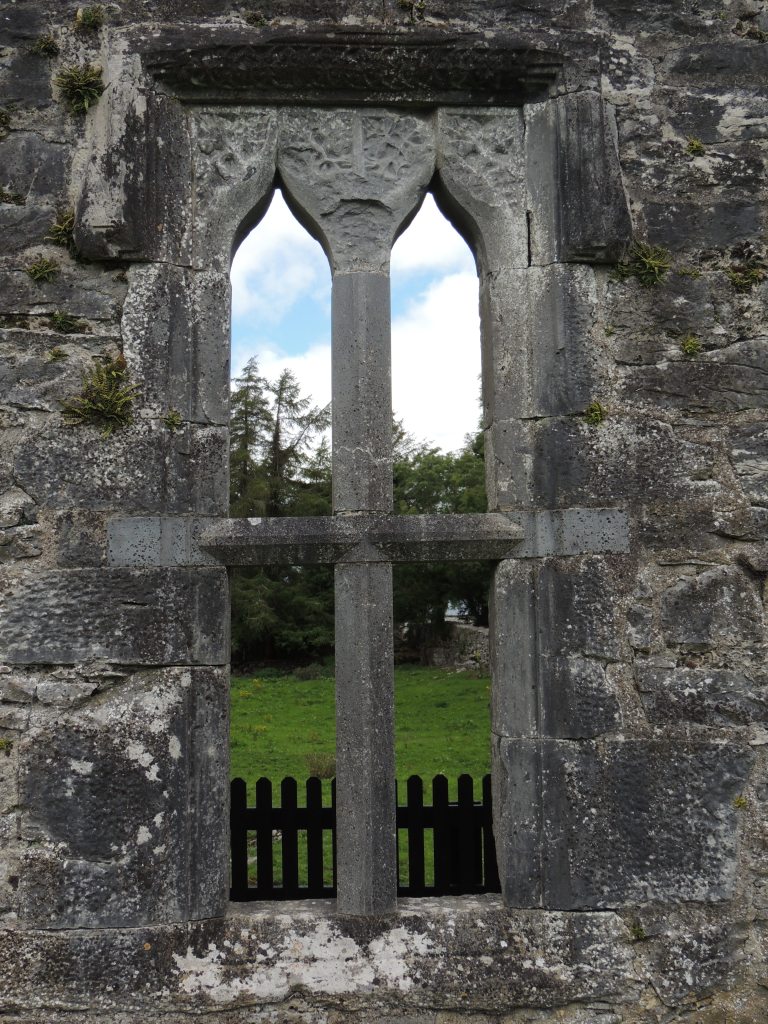
The correct name is Aughnanure (Pronounced something like: On a nur) Castle. It’s a fun few hours to stroll the grounds and remains of the castle (or Irish Towers). There are no tour guides, but information is posted in the rooms. It has quite the interesting history, which is nice to know before you go.

Here’s a quick version: It all started in the 12th century. Normans (read: conquerors) moved into the area. They wanted the seaport of Galway and eventually convince/forced the Flahertys (ancient name: Ó Flaithbheartaigh) out of their land. The Flahertys, not being cowed at all, built a well-fortified castle in 1490 against the invaders who’d pushed them to the high hills. They continued to harass the Norman families in Galway. Indeed, records state they were a “mountainous and wild people”.

The Flahertys, whose motto is “fortune favors the strong”, ruled from this castle and high country for about 300 years. (That is longer than the United States has been a country!) They were such a problem for those in Galway that the Normans built a wall and made a plaque that said: “From the Ferocious O Flaherty’s O Lord deliver us”.

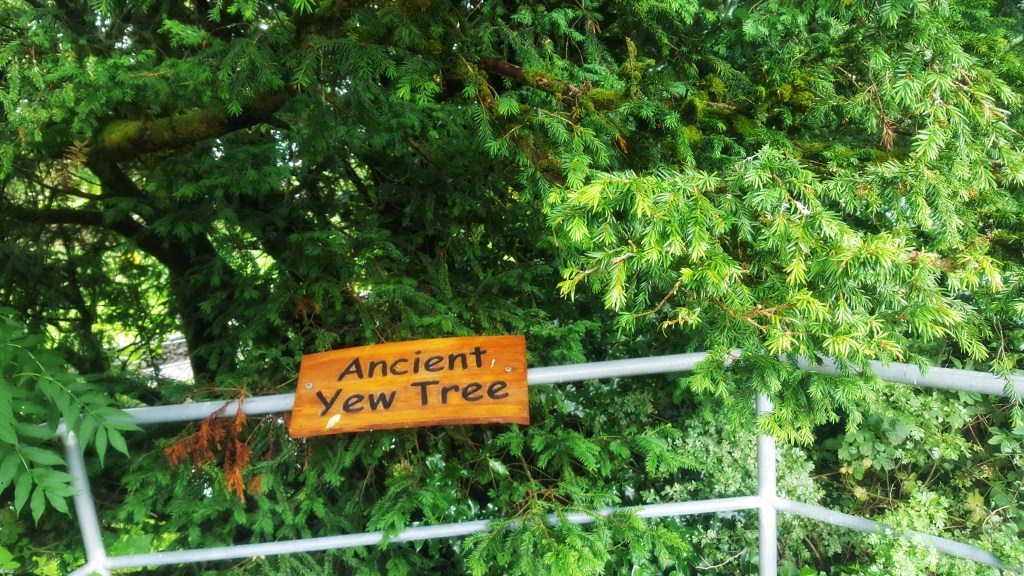
At the time, Aughnanure Castle was well situated with a river on one side that afforded a harbor to the castle. It’s no longer there, but if you hike down the small incline, you can see where it once flowed. There was also a forest of yew trees; only one is left. The remains still have the ‘murder hole’, where arrows/stones or boiling water/oil could be poured on attackers. There is a trap door in the banquet hall that when activated dumped an unwanted person into the river that flowed under the hall. (Devious!) There’s also the classic Medieval staircase which is narrow and would be extremely difficult for invaders to ascend, but it’s not a difficult climb when you don’t have to fight your way up the stairs.

An interesting, though morbid (or exciting, depending on your view) story: After a siege by the Normans on the Flaherty, the clan agreed to pay a tribute to the Normans. But they never did. After a few years the Normans (De Burgh family) sent a son to force the issue. The young man was invited to join a banquet. (Should have known better.) He was seated over the trap door. At some point, the Flahertys tripped the trap and the unfortunate lad plummeted into the river. And was drowned. His body was retrieved and he was beheaded. A son of Flaherty rode to Galway and threw the sack with the head at the DeBurghs. The Normans gave chase, but it was also a trap. The Flahertys were waiting over a hill. Not many De Burghs returned to Galway.

Flaherty Clan remained at Aughnanure until Cromwell. Which is another story.

I enjoyed learning about my Irish ancestors—though I don’t know that mine actually lived at Aughnanure. But I have Flahertys from the area, so there’s a good chance they’re a long ago great someone or other.

If you’re interested in reading a bit more, try these sites: https://www.enjoy-irish-culture.com/castles-of-ireland-aughnanure.html