I want to clarify upfront: the term Black Irish is not a racial slur or slur of any kind. But what does it actually mean?
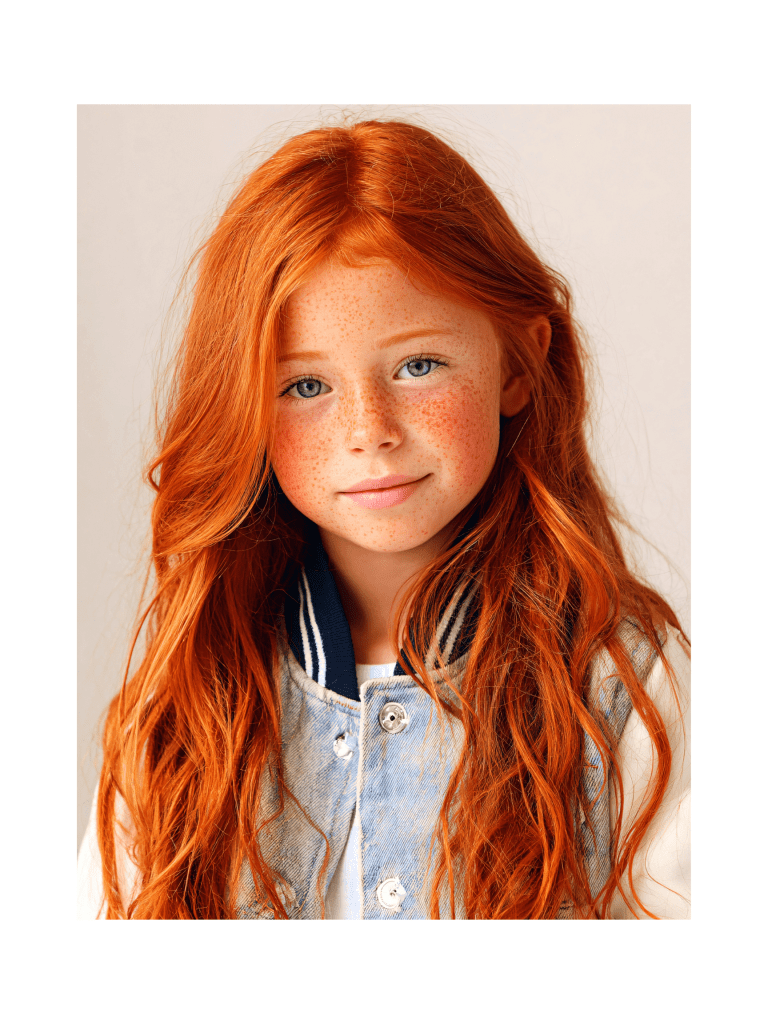
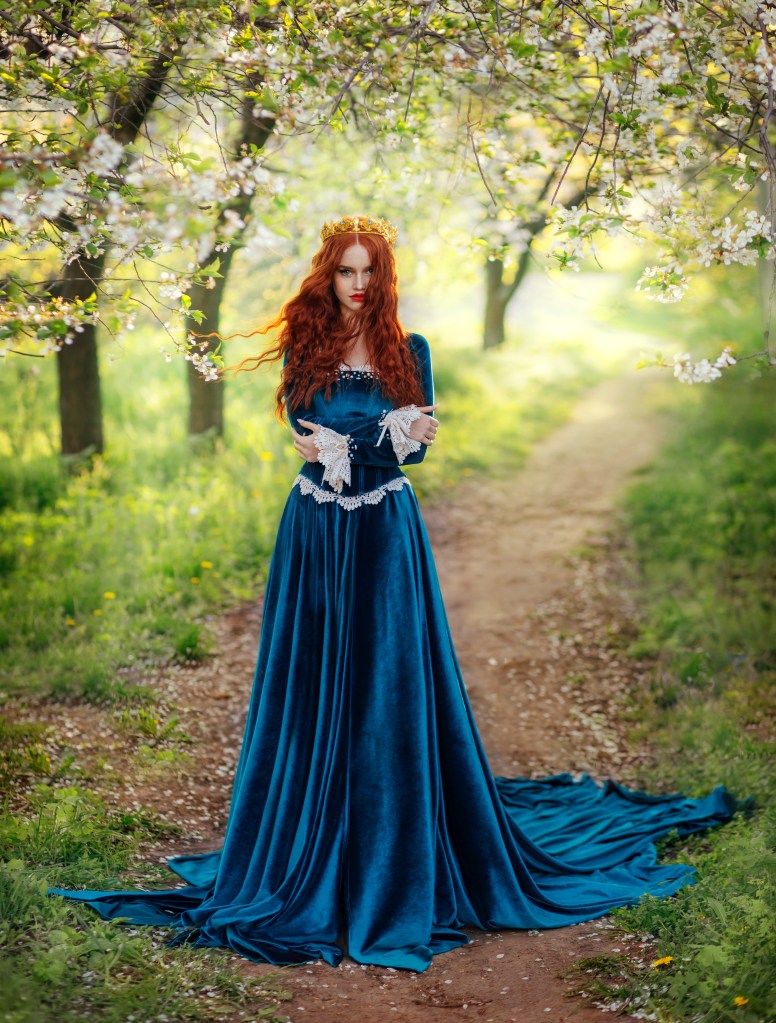
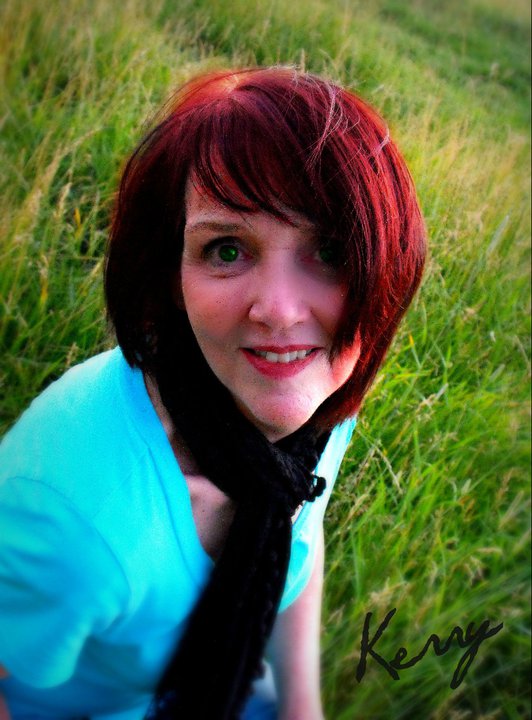
The title Black Irish refers to Irish people who don’t fit the stereotypical image of red hair, blue eyes, and freckles. Instead, they tend to have black or brown hair, darker eyes, and either fair skin or an olive complexion. Is this for real?
Well, yes and no.
I was taught that the Black Irish are the ancient Irish bloodlines that haven’t been mixed with Vikings, English, or other invaders. There might be some truth to that.
Interestingly, the term Black Irish isn’t commonly used in Ireland itself. Instead, it originated among Irish-Americans (and in Canada) in the late 19th century. During the mass Irish immigration to the United States from the 1840s to the early 1900s—and amid the widespread “No Irish Need Apply” discrimination—some felt the term was a way to distinguish between Irish with red hair and those with darker complexions. Perhaps the darker-featured Irish didn’t “look” Irish to some and were thus more accepted?
Since Black Irish isn’t a racial term or an official identity, what is it? It falls more into the realm of mythology and romantic notions of Irish identity—more folklore than fact. Some stories about its origins trace back to survivors of the Spanish Armada in 1588. After the battle of Gravelines, about 28 ships and 9,000 men landed in Ireland. While this was a real event, most of the survivors were either captured or killed. There wouldn’t have been enough men left to significantly impact Irish ancestry, and modern DNA confirms this.
Dark hair and eyes are quite common in Ireland. These features are considered to be from pre-Celtic or Welsh ancestors and are due to natural genetic diversity. Ireland’s history is complex, involving migrations and invasions by Celts, Gaels, Vikings, Normans, Anglo-Saxons, Scots, Welsh, and even people from Northern Spain (Basque).
Regarding red hair, about 10-15% of Irish people have red hair, compared to only 1-2% globally. It’s a distinct Irish trait.
In America, the term Black Irish is often used as a symbol of the diversity, identity, and resilience of the Irish people. You might not hear it much in the West, but I grew up hearing it back East. Have you heard the term before? What did you think it meant?
You may have heard the term Irish Diaspora before, but what does it actually mean? In recent years, the term has become quite broad, but at its core, it refers to people of Irish ancestry who live outside of Ireland—whether they emigrated generations ago or are recent arrivals. It can also include those with distant roots to Ireland who feel connected to Irish culture and heritage. Depending on how you define it, the Irish Diaspora could encompass tens of millions of people around the world!
For this article, I’m focusing on Irish emigrants and their descendants, which brings the number down to the millions—making it a more manageable scope. As a reminder, I like to explore broad topics by providing a basic understanding, offering enough information to educate about different aspects of Ireland, including its history and culture. Each reason I mention for Irish emigration could easily be the subject of several books—it’s a complex and fascinating topic. What follows is just a brief overview of the Irish Diaspora.
The Irish government has refined the definition of the diaspora to include emigrants, their children, and grandchildren. This narrower focus reduces the number of people who fall under the term ‘Irish diaspora.’ Did you know that you can apply for Irish citizenship and get an Irish passport if you have Irish grandparents?
So, why are there so many Irish and their descendants living abroad? Since the 1700s, approximately 10 million people have emigrated from Ireland—more than Ireland’s current population today. What motivated so many Irish to leave, and where did they go?
The first thing to understand is that Ireland was a conquered country. England’s involvement began with the Anglo-Norman invasion in the 12th century. However, it was during the Tudor era, especially under Queen Elizabeth I, that English rule expanded significantly in the 16th century. (Someday, I might dive deeper into that history!) During this period, the English employed various strategies: military conquest (think Cromwell), colonization—bringing Protestant Scots to Northern Ireland and displacing Catholic Irish—and the imposition of English law, language, and religion. Much of this colonization left Ireland in deep poverty and fueled centuries of hardship and conflict.
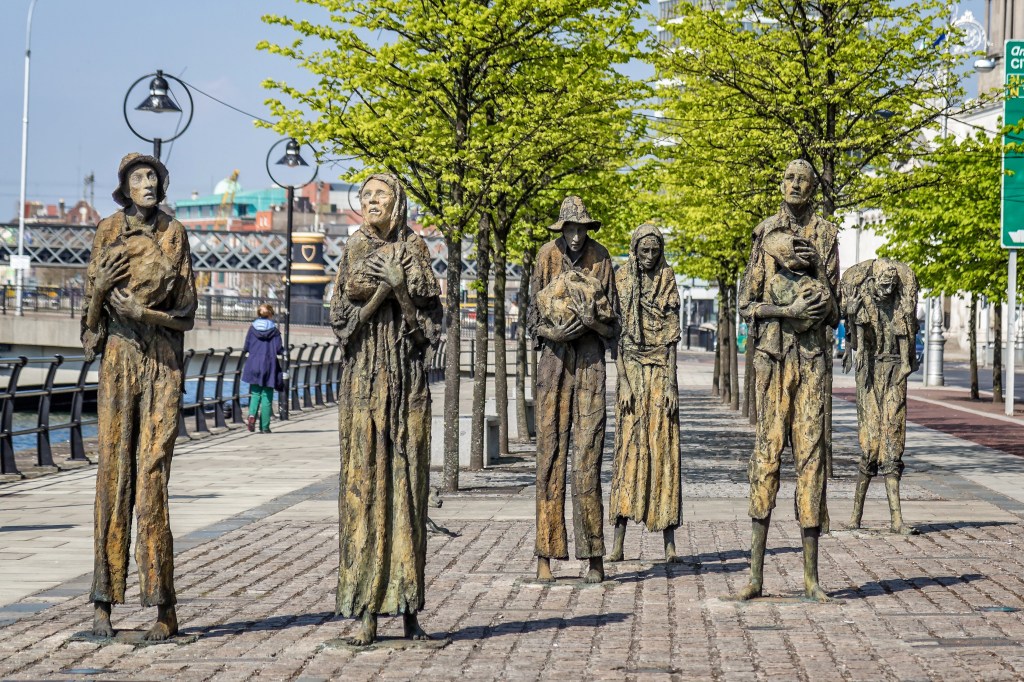
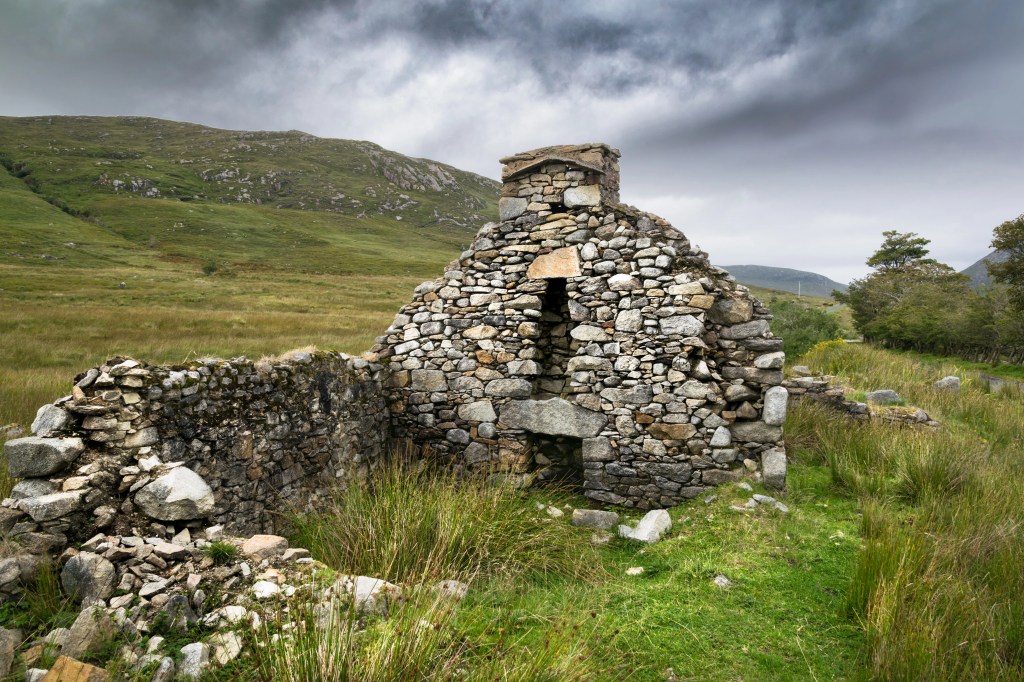
Then came the Gorta Mór—the Great Hunger—in the mid-1840s. When the potato crop failed, millions of Irish people faced starvation. Sadly, England’s response was inadequate; instead of helping, they even sent food from Ireland to England. Families were evicted from their homes, left with nothing, and many consider the famine to be an act of genocide. Millions died, and millions more emigrated—Ireland’s population was halved, and the country is still in the process of recovery today. If you visit Ireland, you’ll see hundreds of abandoned homes, known as Famine Homes, scattered across the landscape as silent reminders of that tragedy.
Later, in the late 1800s, Ireland experienced the Land Wars. Irish tenants, unable to pay exorbitant rents and taxes, fought to defend their rights. This struggle continued until 1914. Imagine enduring the devastation of the famine only to face ongoing evictions and unpayable rents—an ongoing hardship that deeply shaped Irish history and resilience.
Next came the Irish War of Independence. The Irish Republican Brotherhood (IRB) evolved into the Irish Republican Army (IRA), and from 1919 to 1921, they fought a guerrilla war to secure Irish self-rule. The outcome was the establishment of the Irish Free State in 1922, while Northern Ireland remained part of the United Kingdom.
The 1960s and 1970s saw renewed activity with the IRA, as they fought for the rights of Northern Irish people within Britain’s legal system and, ultimately, for a united Ireland. This long struggle finally led to a peace agreement in 1998. Today, Northern Ireland remains part of Great Britain.
So, where did all the Irish go during these waves of emigration? Many headed to the United States, Australia, Great Britain—especially Liverpool—Canada, and even Argentina. These countries have long been popular destinations for Irish emigrants.
Just like in all countries, Ireland today experiences a steady flow of both emigration and immigration. An interesting note from the National Museum of Ireland is that, historically, emigration has involved a higher proportion of females, often young and single.
In my travels and even in teaching, I’ve noticed that people with Irish, Scottish, and Welsh heritage tend to be proud of their Celtic roots—they know they have Celtic blood and celebrate it.
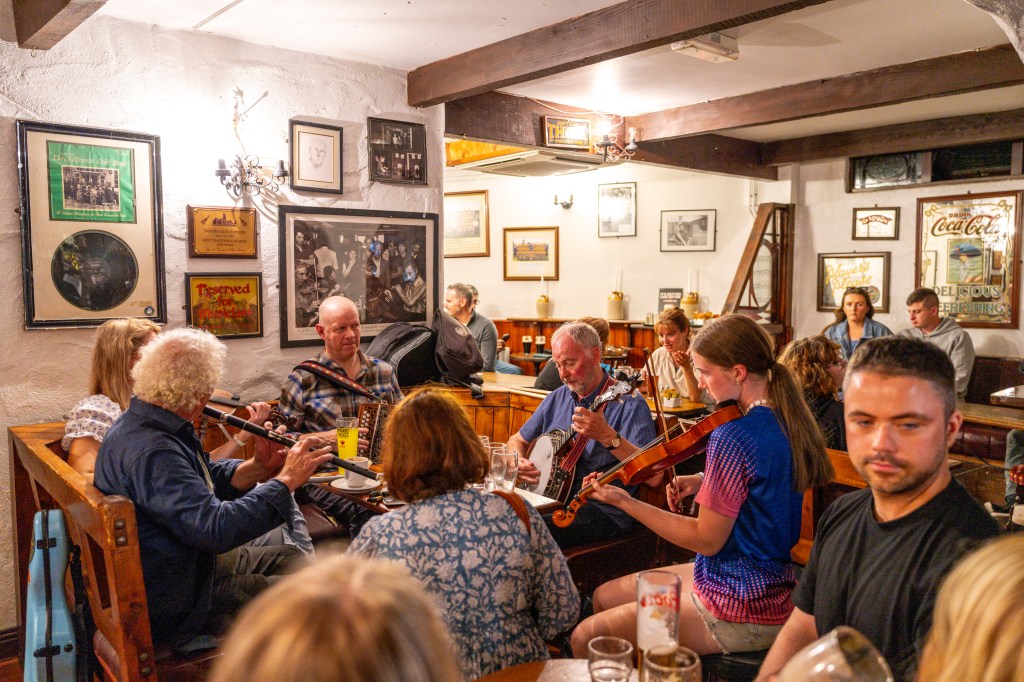
There are countless songs, poems, and stories about the old country. I believe that because many Irish didn’t want to leave their homeland, they passed down that deep longing for home through generations, keeping the spirit of Ireland alive wherever their descendants now live.
Ireland actively works to connect with its diaspora, recognizing how important this link is to their culture, economy, and politics. Sean Fleming has been the Minister of State for Diaspora and Overseas Aid since 2014, a role dedicated to strengthening these international connections.
Additionally, genealogist societies are found in each county, helping people trace their Irish roots. There are also many online groups, especially on Facebook, created to connect people with Ireland and explore their Irish heritage.
Are you a part of this Irish Diaspora? My first Irish ancestors came over in the 1700s, then my great grandmothers in 1897/99. When did your ancestors leave the Emerald Isle? Do you know why they decided to leave?
Ireland has a rich lore of mythological creatures, good, bad, downright evil, and those somewhere in between. Here are a few of those (mostly) harmless beings that dwell in the mists and myths of Ireland.
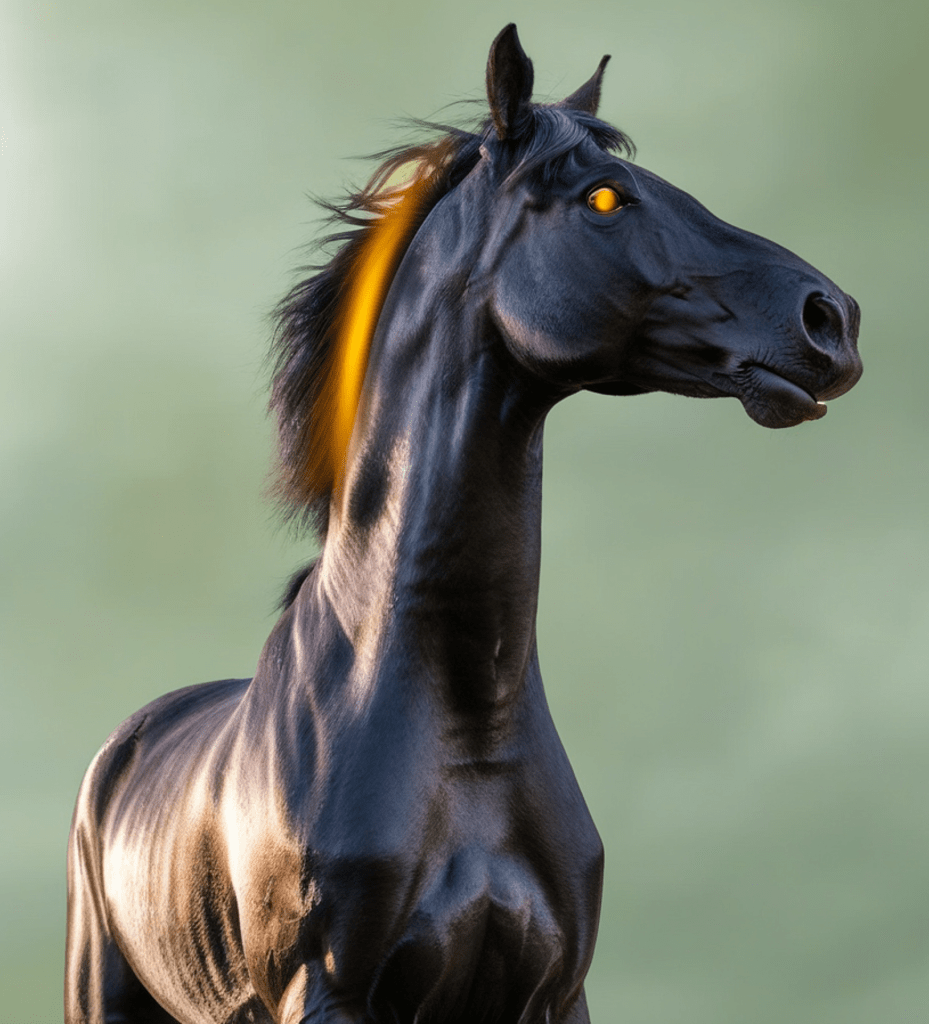
The Pooka. Also know as: Puca, Phouka, Poc, and Puck. Poc is he-goat in Irish. The Pooka is a mischievous fairy, a shape-shifter/goblin/sprite. Shakespeare’s infamous imp in A Mid-summer’s Night Dream is Puck. It can appear as a horse, goat, cat, dog, rabbit, donkey, a beautiful young maiden, or a handsome youth. Even as a human, it may retain some animal features, like ears or a tail. It mostly appears as a magnificent black stallion with yellow or red glowing eyes. It can be found in bogs and marshes. (So, places to avoid?) The Pooka either brings good luck or is a warning of coming doom. It is a trickster and enjoys a good prank. Brian Boru, the greatest high king in Ireland, is the only one to have ever controlled a Pooka. He made a bridle out of the Pooka’s (appearing as a horse) tail hair and rode the Pooka until it became exhausted. It promised to stop tormenting the countryside and never harm an Irishman, unless an outrageous drunk. Of course, the Pooka did not keep it’s promise. If interested, you can find out more here: irishcentral.com/roots/history/irish-legend-pooka
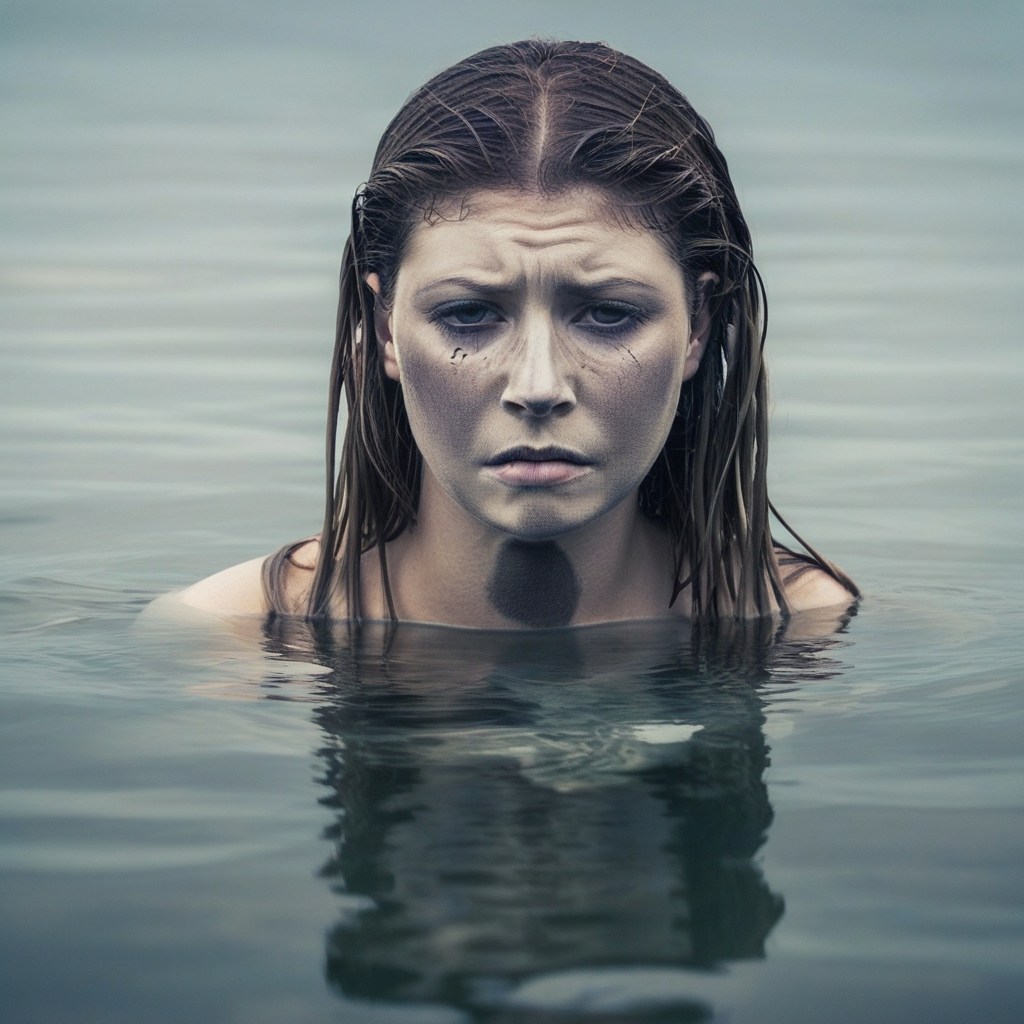
2. Merrow – (Muruch) – is the Irish version of a mermaid. They are sea fairies, but also live on the land. They have green hair and webbed hands. The Merrow has an item, like a hair comb, that allows them (and others) to live and breath under water. If the item is lost or stolen, the Merrow must remain on land. If a man marries a Merrow, he would have to obtain and hide the item, or she would return to the sea. Either way, the poor Merrow would long for her watery home as long as she was on land. They are also the sirens of the sea, luring men to them, either to take them to their deaths, or live with them under the sea. The mermen are apparently extremely ugly and dangerously mean. Perhaps that is why the Merrow seeks a human?
3. Selkie – A Celtic creature, found in Scotland, Iceland, and other coastal places where Celtic peoples lived. A Selkie is a seal in the ocean and a human upon the land. Once on land, they shed their seal skins and hide them. If stolen, the Selkie is landbound until it is returned to them. They are said to make good wives, but will always long for the sea. It would seem that a Merrow and a Selkie could be good friends, if living in the same village…sounds like a good story here…) I first heard the tale of Selkies in a Joan Baez album where she sings old ballads.
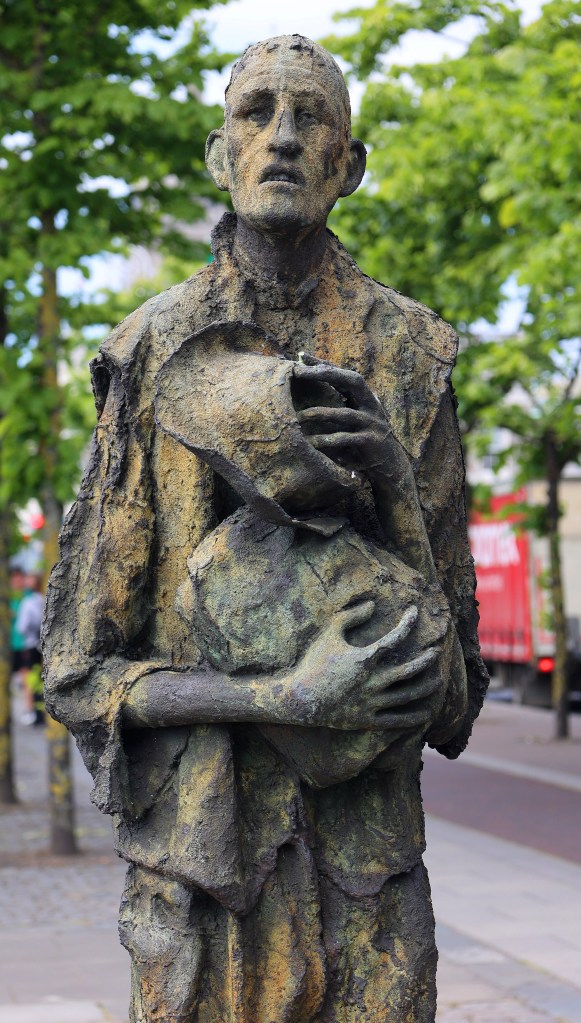
4. Fear Gorta – Fear (far) is man in Irish and Gorta is hunger, so Fear Gorta is a man of hunger, or a starving man. As such, he appears as just that, a beggar that is starving, close to death. His ghoulish appearance is a portend of coming famine. If, as a beggar, you are kind and feed him, he will be generous to you; if not, he will show no mercy, bringing disaster and despair, along with famine. It is said he appeared just before the Great Famine of the mid 1800s in Knockma, county Galway. Maybe someday I’ll touch upon the Great Famine, but it’s such a terrible part of Irish history that I hesitate delving into it.
5. The Far Darrig – (Fear dearg) – the red man. He is similar to a leprechaun in stature and in that he loves mischief and pranks. However, the Far Darrig wears red rather than green and isn’t as fond of gold as the leprechaun. Most of his pranks are playful and harmless, though he can be spiteful.
6. The Bodach – appears as a poor, elderly farmer, wearing a worn hat and chewing hay. He usually foretells of death and disaster. (It would awful if the Far Darrig and Fear Gorta became buddies!) He enjoys sneaking into homes and poking people until they wake and to play pranks on children. A bit of salt on your threshold will keep the creature out. If you’ve been startled awake at night, it might be the Bodach! Read more here:
These are a few of the favorite, more or less harmless creatures of Ireland. It’s interesting to consider a countries history and beliefs when looking into their mythology. After studying The Great Famine, I think the Fear Gorta is the most frightening. He, himself, may be harmless, but what he brings in his wake is not. Did you find any interesting creatures on this list? Did I miss one that you think should have been added?
Before the Golden Age of Piracy (1650s-1730s) there arose, out of Ireland, one of the most famous pirates in history; a woman named Grace O’Malley, or Grainee Ni Mhaille in Irish. Her story is fascinating.
There are about 100 known female pirates. Some of the most famous were: Cheng I Sao, Anne Bonny (born in Ireland), Mary Reed, Rachel Wall and of course, Grace O’Malley.
What led these women into a life of piracy, plunder, and murder? For Grace O’Malley, it may not be what you’re thinking.
Grace was born about 1530 at Belcare Castle near Westport, Ireland, in the Connacht region. Her father, a chieftain of the Clan O’Maille, was Eoghan (Owen) Dubhdara (Black Oak) O Maille. Her mother was Maeve or Margaret O Maille. Grace was their only legitimate child. (This is sometimes debated, as there is a brother or half-brother, Donal; but Grace is the only inheritor of all her father had.)
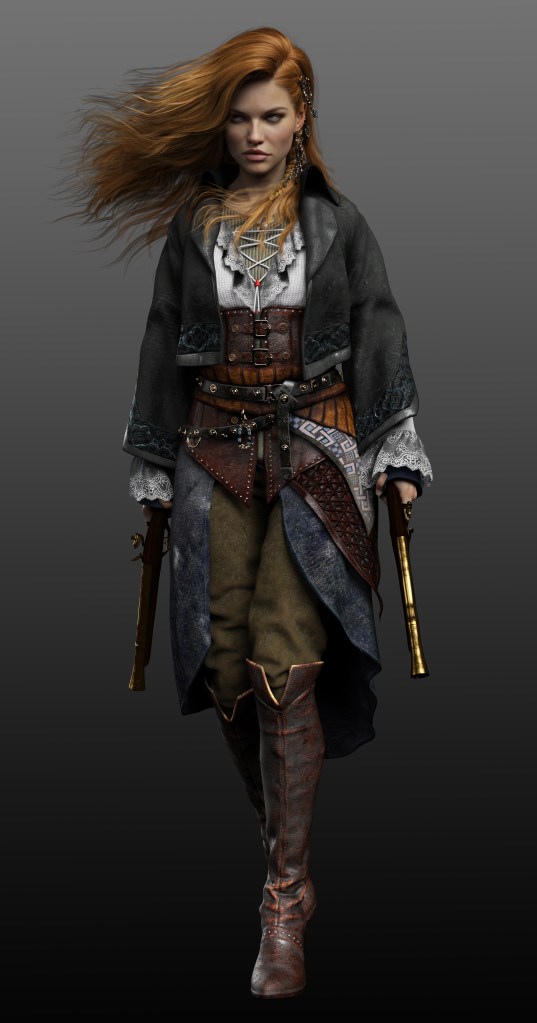
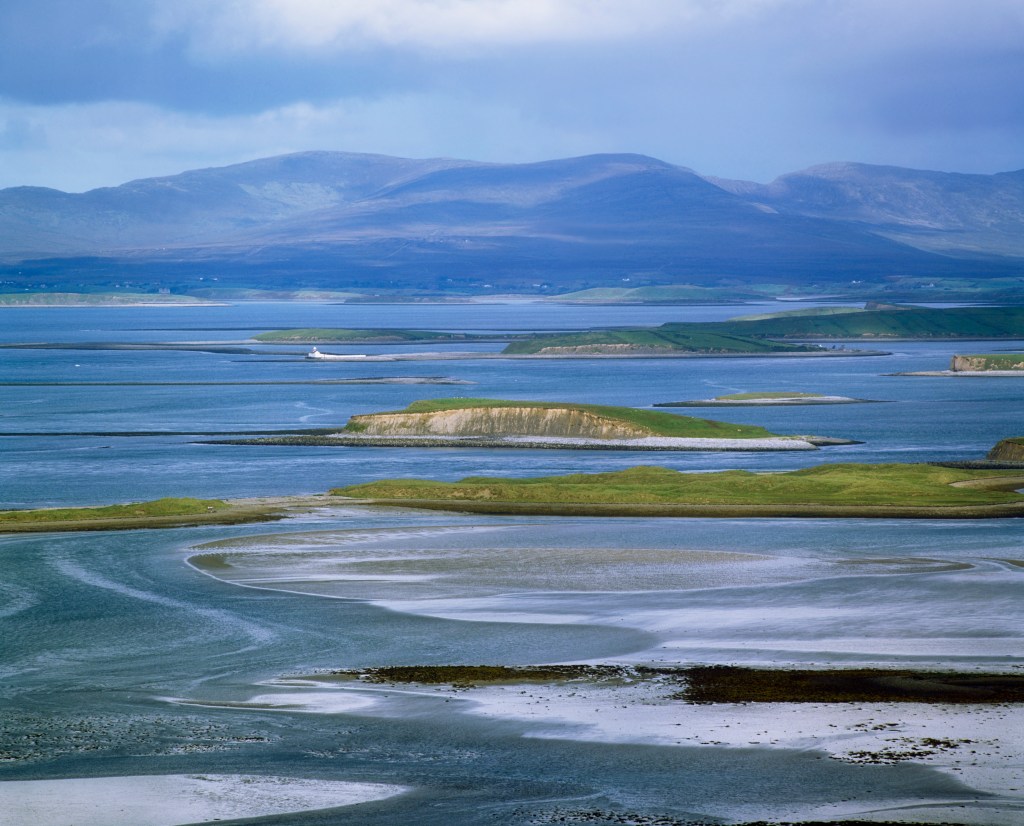
The O Maille motto, powerful by land and by sea, is most fitting. They ruled vast amounts of land in Ireland and controlled Clew bay. Grace was raised a royal child in a castle. She was well schooled and probably spoke many languages. She was trained in seafaring and politics. By all accounts, she had flaming red hair and a stern gaze.
Eoghan O Maille owned many ships and sailed to Spain, Scotland, and other places to trade. One story that personifies Grace’s temperament was when she was eleven-years-old. Supposedly, her father was setting sail and refused to take a young girl aboard ship with him. He told her that her hair was too long and would get caught in the ropes. She cut her hair. Either she snuck on board or he allowed her to accompany him, because she went with him. She is sometimes referred to as Grainne Mhaol, bald Grace, because of this.
How does any of this make Grace a pirate? Unfortunately, she was born at the time of the Tudor reconquest of Ireland. Queen Elizabeth 1 of England felt that by controlling Ireland, England would be safer from Spain and other invaders. Besides, there was all that rich land, cattle, sheep, and important ports. By sending troops to confiscate land, Grace, along with other loyal Irishmen, fought back.
But before all of that, her father married her to Donal (of the Battle) O Flaithbertaigh (O’Flaherty) when she was seventeen. Though a political match, it seemed like they got along well. He taught her pirating and more politics. They had three children; Eoghan O Flaithbertaigh, who was apparently kindhearted and well liked, Margaret/Maeve O Flaherty, who is said to be much like her mother. She married Richard (Devil’s hook) Bourke. He saved her life more than once. (Another great story there.) It was apparently a good marriage. And then there’s Murchad O Flaithbertaigh, reportedly the black sheep of the family. He liked to beat his sister and refused to listen to his mother because she was a woman.
Grace took over all of her father’s lands, castle, ships, and business when he died. Her husband, Donal was ambushed and murdered while on a hunting trip by a rival clan, the Joyces. Perhaps they thought they could take over some of Donal and Grace’s lands. They did not take into account Grace’s strong personality and leadership. Grace rallied her warriors, defeated the Joyces and killed the guilty men who had murdered her husband. She then took over all of Donal’s holdings on behalf of her sons. She had a private army of about two hundred men.
At some point, she recuses a sailor, Hugh de Lacy and they become lovers. The MacMahons, who must not have gotten the memo from the Joyces, killed Hugh. She attacked them at their castle, Doona, and slew her lover’s murderers. They nicknamed her ‘dark lady of Doona.’ She took control of the castle.
Then there is Richard, the Iron, Bourke, who was her second husband. There are two opposing stories about this marriage. One is ‘the love her life’ and the other is that it was a totally political marriage. In this version, once she got his castle, Rockfleet, she divorced him by saying,’ I dismiss you’. Rockfleet was more protected than her castle in Clew bay. It still stands today.
Either way, they fought the English and forged a political stronghold in Connaught. Even after the ‘divorce’, they reunited in order to keep their lands and to fight the English.
They had one son, Tibbot-na-long Bourke. The story goes; she was aboard ship when she gave birth to Tibbot. Hours, or maybe the next day, their ship was attacked by Algerian pirates. She left her berth and rallied her crew, fighting along side them. They ended up capturing the pirate’s ship.
An interesting story, also showcasing Grace’s personality is about Lord Howth. She sailed to visit but he was away and the gates were locked to visitors. She kidnapped his grandson and heir, Christopher St Lawerence. She released him after a promise from Lord Howth that Howth Castle doors will always remain open to unexpected visitors with a place for them ready at the table. It is honored to this day by the descendants.
Richard was to become the chief of all county Mayo. However, the reigning chief submitted to the English, putting Richard’s claim in danger. Grace marched with her army and navy to show her might. She plundered the Earl of Desmond’s land and was captured and imprisoned. He sent her to the dungeons of Dublin castle. Richard rebelled, demanding her release. The English freed Grace to stop Richard.
Lots more battles with the English on sea and on land…
In order to assure Richard’s becoming the Chief of Mayo, she brings in Scottish mercenaries, the Gallowglass. The English give in to her and Richard is made Chief.
Lots more battles with the English on sea and on land…
Richard dies. Rockfleet becomes Grace’s stronghold.
Enter Sir Richard Bingham. His major goal was to destroy Grace and her family. He has her oldest son, Owen murdered. Her son, Murchad, was part of the treachery that led to Owen’s death. Grace disowned Murchad and never spoke to him again.
More battles with the English…
Bingham says he wants a truce and tricks Grace to his headquarters. He arrests her and condemns her to death as a traitor. Her son-in-law rescues her.
Grace flees to Ulster where O’Neill and O’Donnel were plotting to unite the Irish, ally with Spain, and drive the English from Ireland. Unfortunately, the Spanish Armada encounters terrible storms and is destroyed.
Bingham declares war and says, ‘Grace is the nurse to all rebellions in Ireland’. He attacks in full force, destroying all of her ships. She fights back and takes an English ship. Bingham captures Tibbot and charges him with treason which carries a death sentence.
In a bold stroke, Grace writes to Queen Elizabeth 1 and requests an audience. The Queen agreed, much to the chagrin of Bingham.
In Sept 1593 they meet at Greenwich Castle, in England. Some accounts say they spoke Latin, but they probably conversed in English. Grace requested the release of her son and to have her lands returned to her. The Queen agreed, if Grace would cease warring with the English. Grace agreed. This worked for a while.
The end Result: the land Bingham stole was not returned; Bingham was later reinstated. Grace and clan go back to supporting Irish insurgents against the English. This led to the Nine years’ war, 1594-1603 which was the largest conflict against English rule in the Elizabethan era.
Grace was still leading her men in battle at the age of 67!
She died about 1603 at Rockfleet castle. At the time of her death she owned five castles.
Irish historian and novelist Anne Chambers, in her 2006 biography of O’Malley, described her as: “a fearless leader, by land and by sea, a political pragmatist and politician, a ruthless plunderer, a mercenary, a rebel, a shrewd and able negotiator, the protective matriarch of her family and tribe, a genuine inheritor of the Mother Goddess and Warrior Queen attributes of her remote ancestors. Above all else, she emerges as a woman who broke the mould and thereby played a unique role in history.”
In Westport house, in Co Mayo, there stands a statue, and an exhibition on Grace’s life by Anne Chambers. Westport House was built by John Browne and his wife, Maude, a great great granddaughter of Grace.
Why isn’t there a movie about her? If not Hollywood, Ireland should make one. Grace O’Malley has become iconic with Irish rebellion and was as bad-ass as they come. Would you watch a movie about her life and exploits?
Here are some excellent sites with more detailed information:
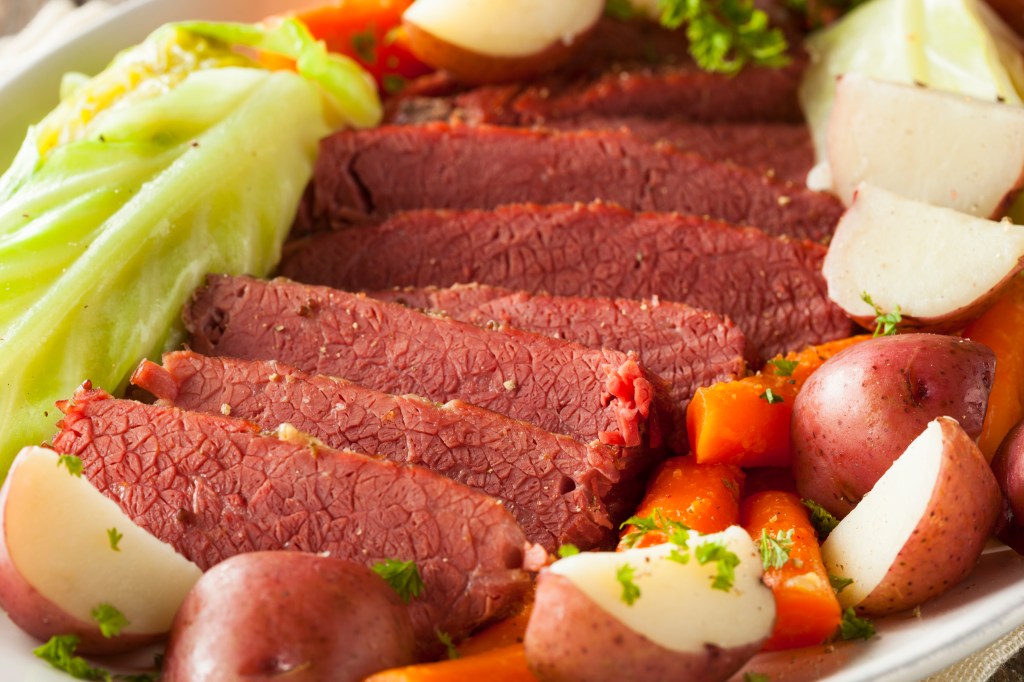
Are you ready for the traditional corned beef and cabbage with Irish soda bread for St. Patrick’s Day? Maybe some green beer? After all, that’s what they do in Ireland, right?
Nope.
Then why do we Americans have it for dinner to celebrate St. Patick’s Day? It all started in Ireland…
The Irish were not much for eating beef, especially in ancient times. Cows were used for milk, cheese, and as labor animals. They were a sign of wealth and power. Clans raided each other and stole cows. If a cow was too old to work or produce milk, then it was used for beef. Pork and lamb were popular meats, if any meat was eaten at all. Mostly, meats were reserved for the wealthy and for feast days.
Both smoking and salting meat has been around for centuries. The Irish used sea ash, which was burned seaweed, as one method of salting meat. Salting meat keep it longer and was important before refrigeration. The navies of the world used salted meats, which lasted for months, in order to have meat at all on those long sea voyages.
England used cows for beef and were considered a beef eating people. When they conquered Ireland, they changed everything. One of the changes was to confiscate land and make the Irish work for the new owners. Since the English needed more beef, they exported tens of thousands of cattle from Ireland. So much so that Cattle acts were passed in 1663 and 1667; no more live cattle could be shipped—but the meat could.
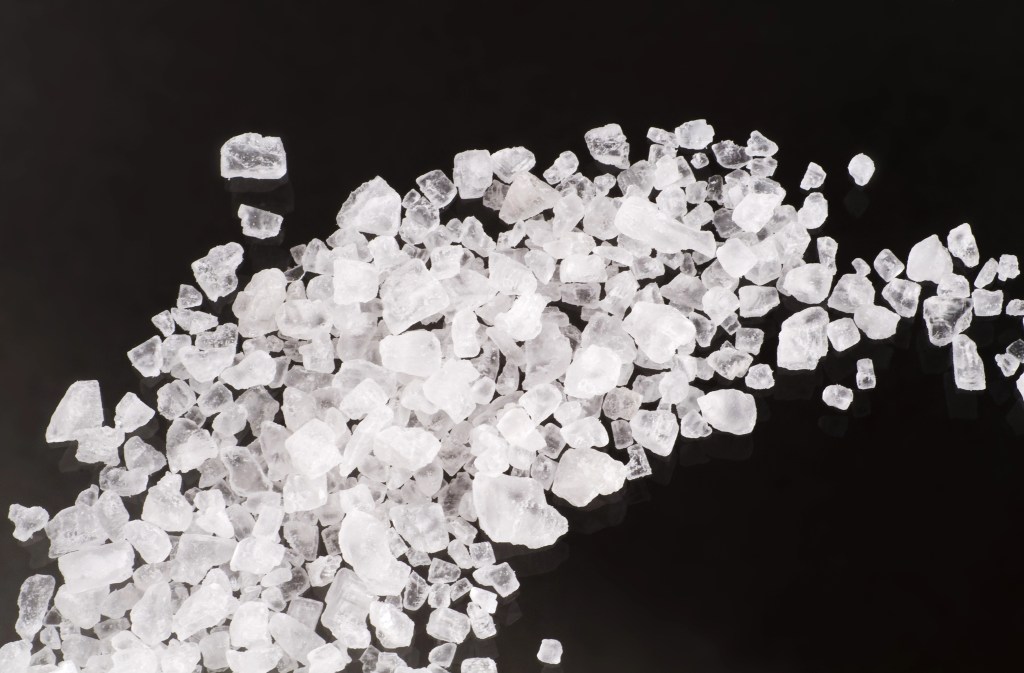
Which brings it back to salting meat. Originally, the salt crystals used were the size of corn kernels. Since Ireland’s salt tax was much less than England’s, it was best to salt the beef and then export it. Which became corned (due to the size of the salt) beef.
Ireland supplied both the British and the French navies with corned beef, as well as the American and French colonies. The Irish, however, were too poor to eat much beef themselves. They tended to have salted pork/bacon. The potato was the most consumed food by the Irish.
Until the Great Famine. By 1845 other countries were producing their own corned beef. Ireland’s potato crop failed for many years. The English refused help. To simplify a very complicated and controversial subject, one third of the Irish left Ireland, mostly to England, the United States, and Australia. One third died of starvation and disease. One third survived and remained. Even today, the population of Ireland is less than pre-famine times.
Those Irish who immigrated to the United States were not welcomed. Employment was difficult to find, with shops putting out signs that said, ‘No Irish need apply’. Even though poor, and living in the slums, their life was better than in Ireland under English rule. Interestedly, their closest neighbors were Jewish. They sold a cheap meat in their delis; corned beef. It was cheaper than bacon, which the Irish would have normally used. Also, cartoonist and other media made fun of the Irish by comparing them to pigs. Insulted, many Irish substituted pork was for cheap beef.
These new immigrants added their favorite vegetables to the meat: potatoes, carrots, and cabbage, and slow roasted it, which became our modern-day corned beef and cabbage. Irish Americans made St. Patrick’s Day a feast day to celebrate their heritage and homeland. In Ireland it was a holy day with church attendance and time spent with family.
Other customs, like green beer, leprechauns, parades, and shamrocks, are also from Irish Americans who wanted to honor and remember their homeland. Interestedly, Abraham Lincoln chose corn beef and cabbage for his first inaugural luncheon (March 1861).
Today, Chicago dies the Chicago River green, parades abound in major cities, and Irish music festivals are everywhere. Cities with a lot of Irish, like Boston and NYC, really celebrate.
Back in Ireland, thanks to tourism (and Guinness), some of the Irish American traditions trickle in. Until 1970 pubs were closed by law in Ireland on St. Patrick’s Day.
So, what do they eat in Ireland on St. Patrick’s Day? Spring lamb is popular, as is Shepard’s pie, Guinness and beef pie, colcannon, and fish stew. (You can find wonderful recipes on Pinterest.) Even today, chicken and pork top the list for types of meat most popular in Ireland over beef.
Being Irish American, we’ll have the corned beef and cabbage along with homemade Irish soda bread (which we have often anyway). What will you be having?
A great article with more in-depth information can be found here:
You have probably seen the 2010 movie, Leap Year, about a woman who chases after the Irish tradition of a woman proposing to a man on Leap Day. What is Leap Day, and how accurate is that tradition?
Leap day comes around once every four years. It all started with Julius Cesar. He (along with advisors and senators) realized their calendar wasn’t really working very well so they created the Julian calendar, and a leap day along with that. It wasn’t perfect and in 1582 Pope Gregory X111 signed into effect the Gregorian calendar, which helped with lost days in the Julian calendar. Leap Day still existed, but now it was set to every four years.
Back to 5th century Ireland.
St Brigid of Kildare, whose feast day is on Feb 1st, apparently met with St. Patrick. She was concerned that men were taking too long to propose and asked for a sanctioned day where women could ask men to marry them instead of waiting for men to pop the question. After some bargaining, St. Patrick agreed that Leap Day would be the exceptional day. According to some legends, Brigid then proposed to St. Patick, who declined. He did however, give her a kiss on the cheek and a silk dress. The years don’t quite work out for this to truly be possible, but it did add to the traditions of Leap Day proposals.
If a woman proposes to a man on Leap Day, and he refuses, he is required to give a gift; such as a silk dress, gloves to hide the fact that she has no ring, or pay a fine.
Irish monks not only spread the gospel, they also took the tradition of Leap Day proposals to other nations, particularly Scotland and England. In 1288 Scotland even passed a law to allow women the right to propose on Leap Day. It is said that Queen Margaret added a small detail; the woman had to wear a red petticoat. (She was only five at the time—maybe red was her favorite color?)
Al Capp’s comic Li’l Abner, capitalizes on this idea creating a Sadie Hawkin’s day. Again, women have the freedom to have one day a year to chase down their man.
Leap Day is also referred to as Bachelors’ Day and Ladies’ Privilege.
Times have changed. Woman don’t need a designated day on which to propose, or ask someone to a dance. Luckily, she can do either without censure from society.
Which brings us back to the movie, Leap Year. It received terrible reviews, especially in Ireland. It’s the movie they ‘love to hate’. But it did bring the old tradition to light and put Ireland in the spot light.
Elsewhere in the world, Leap Day/year is considered bad luck: your marriage is doomed if you marry on this day, bad farming years, and unlucky birthday to name a few things.
An extra day of work? An extra day of fun? Just an extra day? Or does it go unnoticed in your world?
Woodcut style image of the Celtic heroine Brigid riding a chariot.
The wheel of time continues to turn. We are now halfway between the winter solstice and the spring equinox—which translates into Imbolc (pronounced Im-molk), a day to celebrate the changing of seasons—this time the coming of spring.
Imbolc, roughly translated to ‘in the belly of the mother’ (as in seeds/life in mother earth), has traditionally been celebrated the eve of February first. After long dark days and cold nights, the hope spring brings is at the core of Imbolc. It’s a time of renewal, creativity, and fertility. A time to reaffirm life and make plans for the coming harvest. I think this is something natural that most of us still do today, even if survival hasn’t been the main focus of our winter.
Origin: One of the most powerful goddesses of ancient Ireland was Brigid. She was a daughter of Dagda, god of the Tuatha de Dannan. Born within a flame, or at sunrise, she is a goddess of fire and hearth. She drank the milk of a mystical cow in the spirit world. Which is symbolic of life, fertility and abundance. Milk was food of the gods and is the first food of humans. She is also the goddess of fertility, healing, poetry, and prophecy. Interestingly, she is supposedly the first one to ‘keen’.
At that time, the Filid were the highest order of poets and historians. Once Druids were outlawed, the Filid took over their jobs and set up places of learning. In the beginning they worshipped Brigid and were the ones responsible for the festivals.
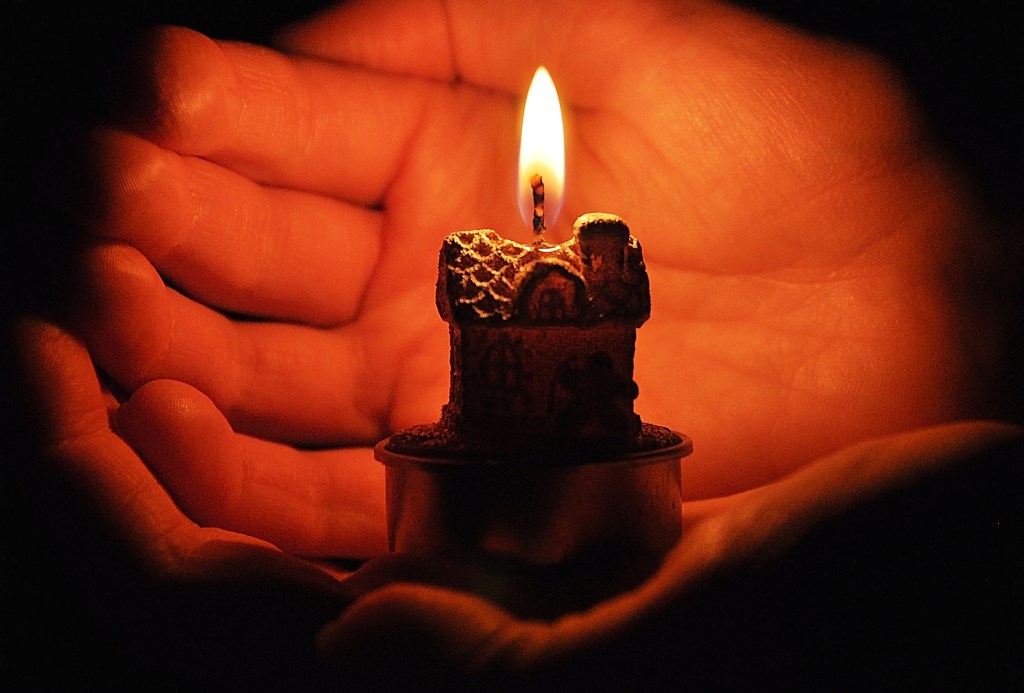
The night before Imbolc, families would make a small effigy of Brigid from bundles of rushes. She was dressed and place in a basket of white flowers and set out overnight. Later, children went house to house with the basket, bringing Brigid’s blessings for the coming year. In return children might receive bits of food or drink. Candles were lit throughout the night to symbolize more light in the coming days and to banish winter’s gloom. It’s easy for us to think how simple it is to light a candle, but back then, candles were a lot of work to make and not wasted, so this was a special honor to Brigid.
Like other festivals, a bonfire and food played a key part. Food was simple; baked goods, winter vegetables, dried fruit, cheese, ewe’s milk, and lamb. If weather permitted, spring cleaning could begin.
Pagans and Christians collided and traditions became mixed. According to Christian tradition, Brigid was born on 1 February about 453 AD. She was the daughter of a slave and a chieftain–Or of a Druid. She was a friend to St. Padraic. Having no interest in marrying, she wanted to create a monastery in Kildare. (Interestingly, at the same site as a shrine to the goddess Brigid.) She was known for her charity and healing powers. She became the first nun in Ireland. She died about 524 AD. She is the saint of Irish nuns, newborns, midwives, dairymaids, and cattle. (There is actually a longer list along these same lines.) The lighting of candles became Candlemas, on 2 February, to celebrate Jesus at the temple and the purification of Mary.
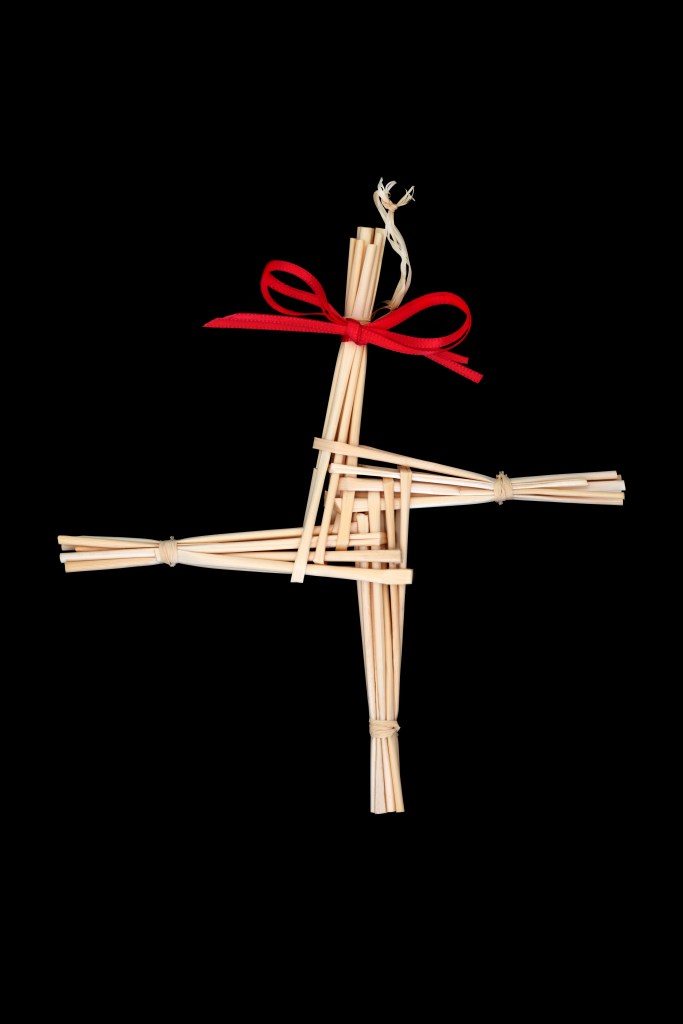
Imbolc became St. Brigid’s Day. An effigy was also made of her, but it was washed in the ocean and then surrounded by candles. Crosses are made out of rushes and used to decorate homes.
Saint Brigids Cross pagan symbol of house blessing protection from evil and fire. Traditionally made in Ireland on Imbolc St Brigid’s feast day.
Imbolc is no longer celebrated as a whole, however, St. Brigid’s Day became a national holiday in the Republic of Ireland in 2023.
Mostly, you can honor Imbolc/St. Brigid’s Day by reflecting on goals for the new year, creating something, baking, cleaning, and lighting candles.
I’m all for the baking and reflecting part. Making St. Brigid’s cross would be a fun project for children also. Do you think you’ll do anything to celebrate? Are the old ways worth keeping? I believe they should at least be remembered as we also remember our ancestors and the lives they led.
Lughnasadh, pronounced ‘loo-nas-ah’, is an Irish festival that heralds in the harvest season. It’s on the first day of August or celebrated on the day of the full moon nearest 1 August. This is halfway between the summer solstice and the autumn equinox. It is also called Lammas (old English). It’s one of four fire festivals in Ireland. It is also celebrated in Wales, Isle of Man, Cornwall, Scotland, and parts of England. (Celtic influence.)
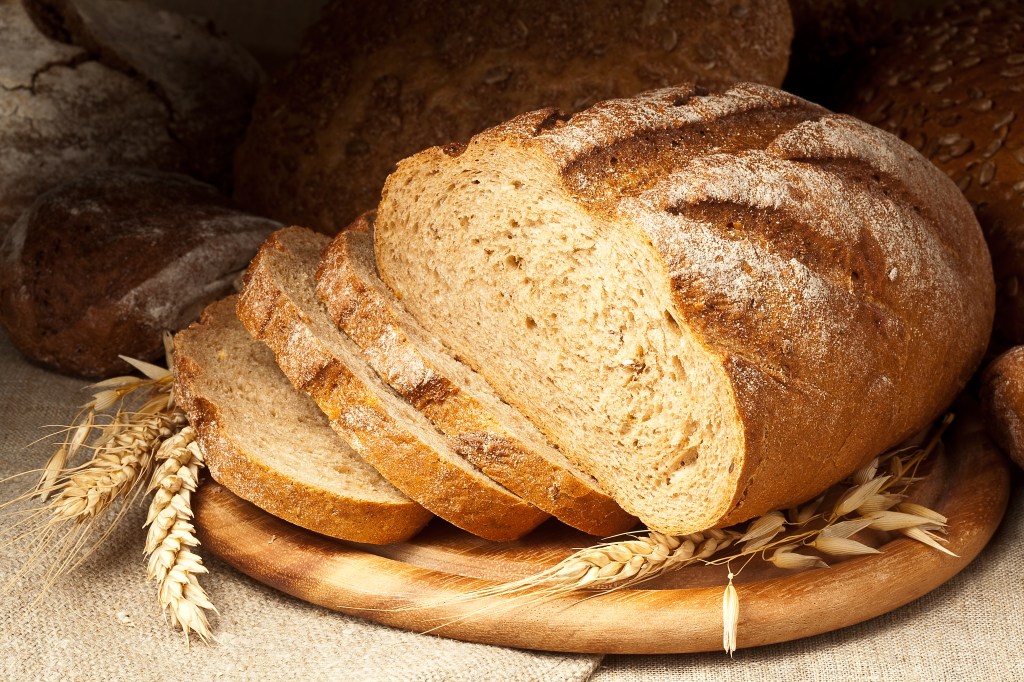
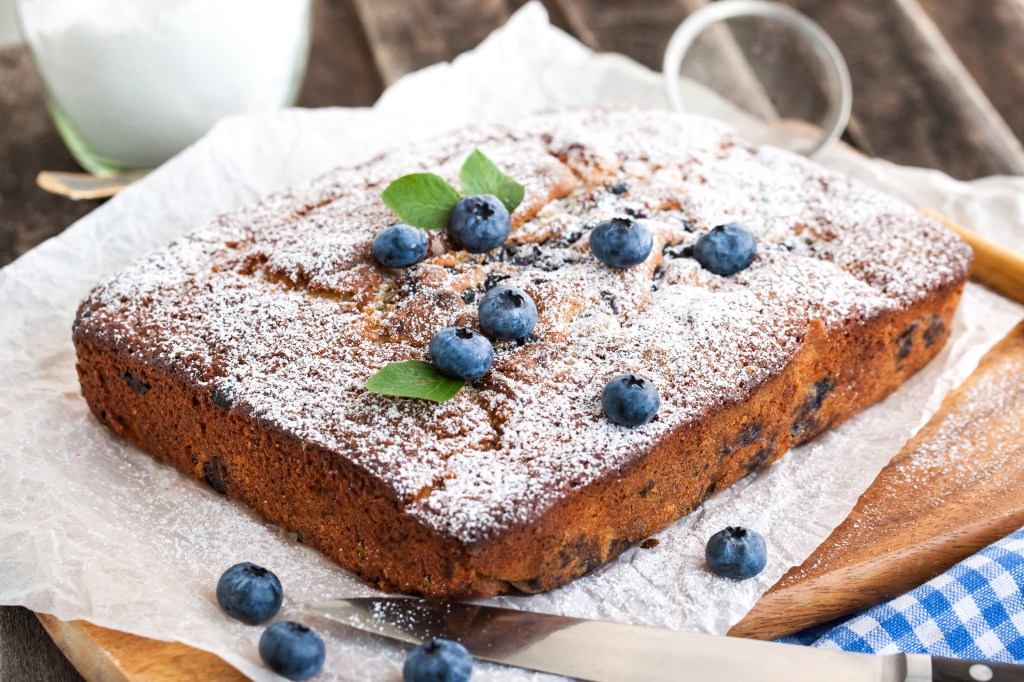
In ancient Ireland, this was the day to cut grain. If one cut their grain too early, they ran the risk of running out of enough grain to feed their families through the winter. After the harvest, loaves of bread were baked and a celebration ensued. These would include: feasting, matchmaking, trial marriages (in which young couples joined hands through a hole in a wooden door and were married for a year and a day. They then could decide at the next festival if they wanted to stay married), trading, markets, horse races, gatherings of far-flung family, music, storytelling, picking blueberries, law proclamations, visiting holy wells (to leave offerings and pray for health), and athletic contests.
Personally, I think the whole trial marriage idea would make a great novel.
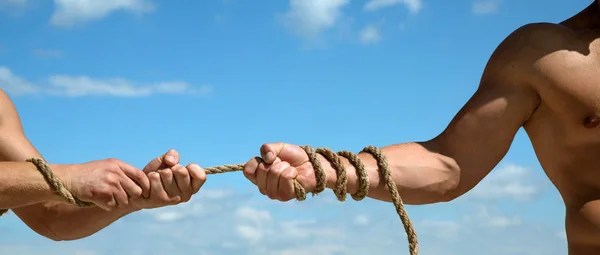
The Tailteann games, considered the first Olympics, originated here. They comprised of competitions in long jumps, high jumps, tug of war, climbing mountains, wrestling, rowing, archery, spear throwing, sword fighting, running, and chariot and horse races. These games were about 1000 years before the Greek Olympics.
Myth surrounding the festival: the Tuatha De Dana god, Lugh, started it as a funeral feast, as well as athletic competition, to honor his foster-mother, Tailtiu. She died of exhaustion after clearing the fields of Ireland so they could be planted. Lugh was a god of many talents. He’s the god of craftsmanship, including; blacksmithing, wheel making, and fighting. (I’m not sure why fighting was in the list for craftsmanship, but it is an art form and this is Irish…)
Christianity adopted the pagan festival by blessing the loaves of bread at mass (Lammas=loaf mass). The mountain climbing became a pilgrimage. Holy wells turned to going to church to give thanks for the harvest and enjoying the fruits of your labor.
Today, with Irish revival, Lughnasadh, like other ancient festivals, are celebrated. One example is the the Puck Fair. It’s probably a survival of the Lughnasadh festival, though the first record of the fair is in 1613. It’s held each year in early August in the town of Killorglin, County Kerry. At the beginning of the three-day street festival, a wild goat is crowned “king,” while a local girl is crowned “queen.” The festival includes traditional music and night concerts, traditional Irish dancing, a parade, arts and crafts workshops, a horse and cattle fair, and trade stalls, to name a few. The festival ends with a fireworks display.
We happened to be in Kerry at this time one year. It was crazy! Hundreds of people for miles in every direction. Unfortunately, we didn’t stop to take in the festivities, but we had to drive very slowly through several streets a few different times and were able to see all the fun things they had going on. Our host at the BnB said they used to go every year and people from all over Ireland attend. Interested? Here’s a link for you: https://www.bandbireland.com/festivals/festivals-and-events/puck-fair
Neo-pagans, Wiccans, and modern Druids also make it a point to celebrate this festival today. Most cultures have probably had a time to give thanks for a bountiful harvest. We have Thanksgiving, which has also changed through time.
Though celebrating fall harvest the first of August seems a wee bit early to me—like going to Hobby Lobby for 4th of July decorations and seeing autumn décor—it was important to the survival of the ancients.
If you want to have your own celebration you can bake some bread and a blueberry pie or cake. Maybe have a bonfire and family competitions while listening to Irish music. Or watch this movie, Dancing at Lughnasa starring Meryl Streep: https://www.imdb.com/title/tt0120643/?ref_=fn_al_tt_1 (Let me know if you watch it and what you think.)
My bread is baked. Blueberry cake sounds good. I think I’ll check out the movie since I haven’t seen it. Are you ready to do some celebrating?
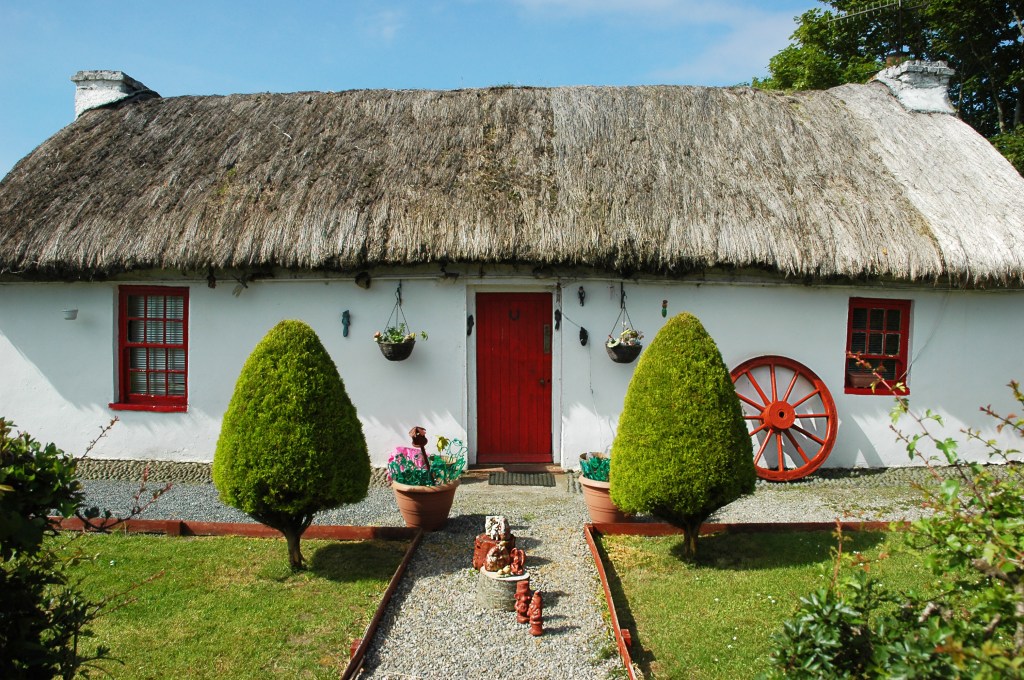
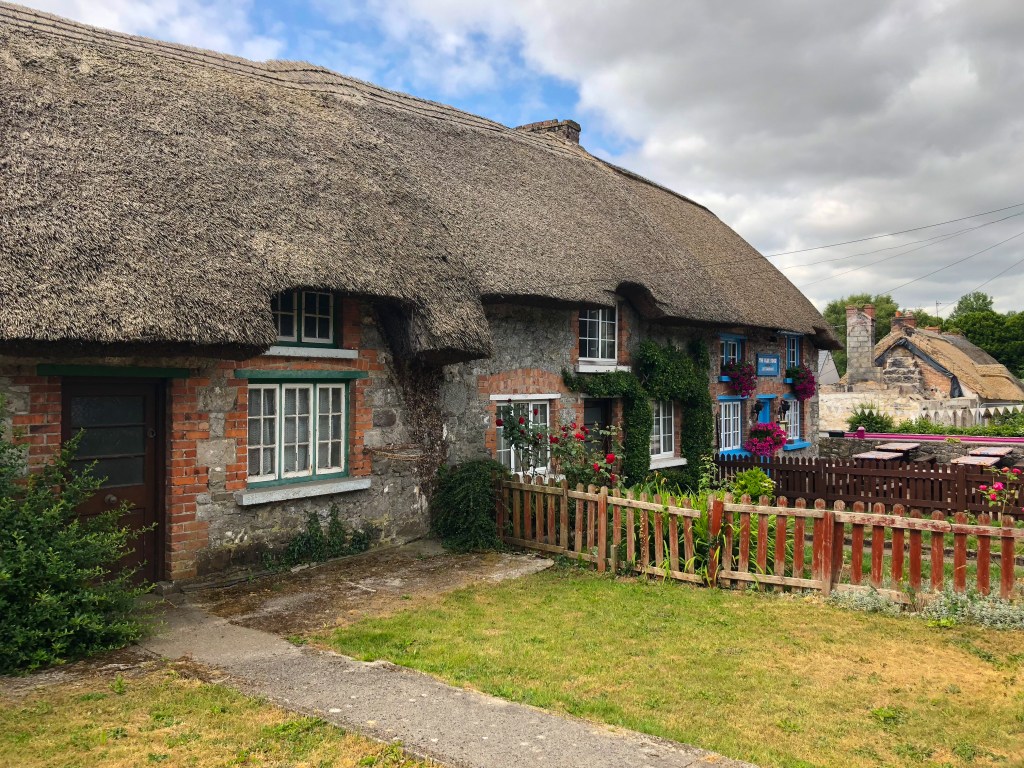
When one thinks of Ireland, even today, picturesque images of thatched cottages usually come to mind.
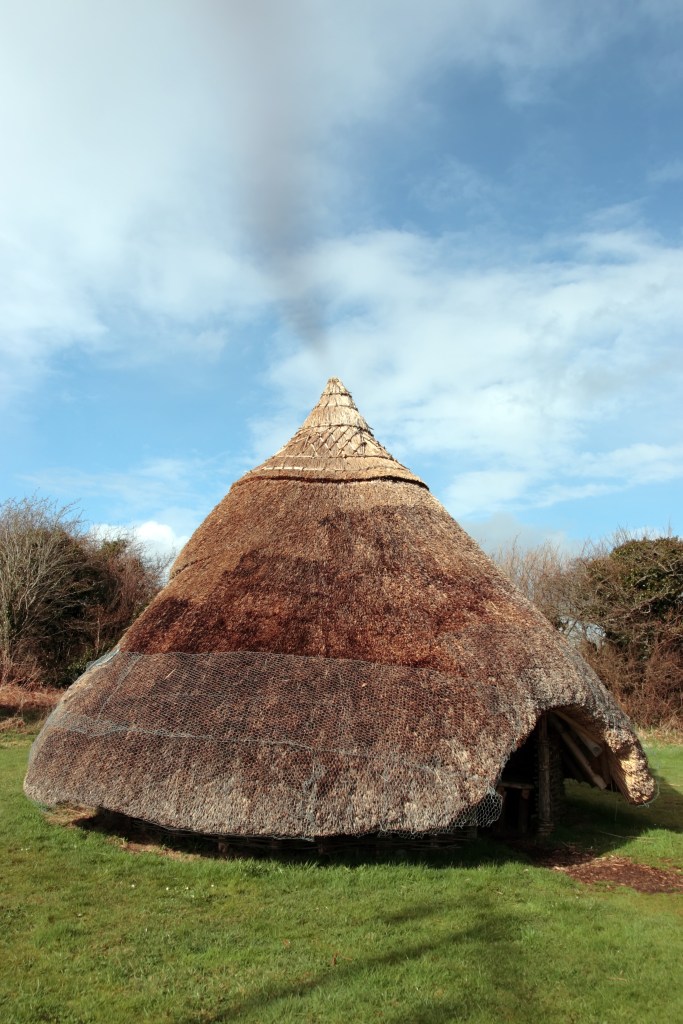
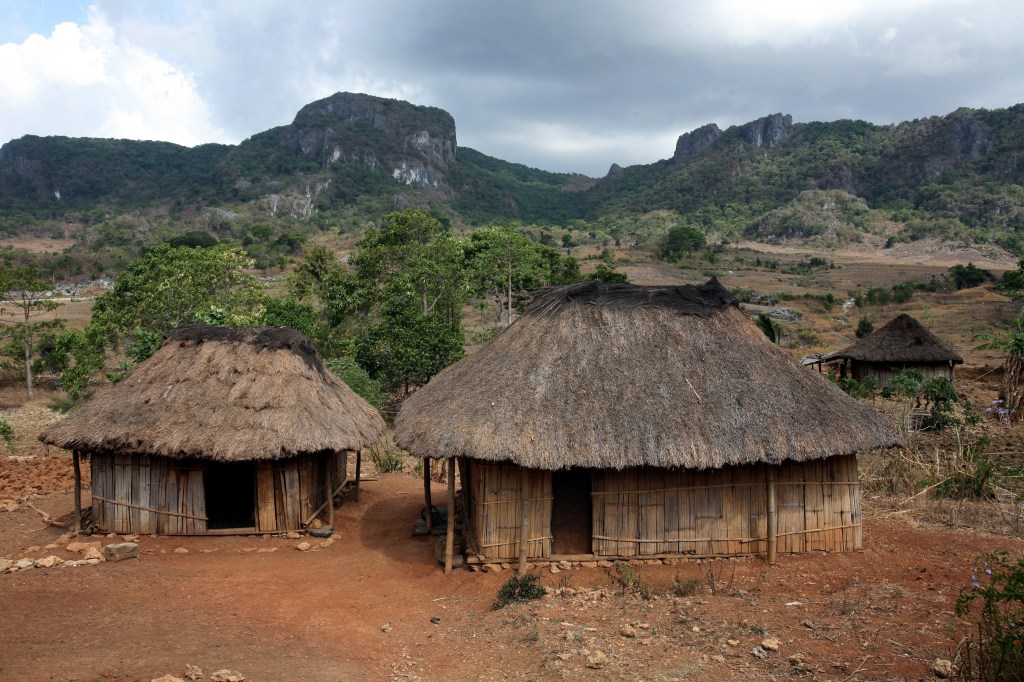
As iconic as that is, thatching is a technique that has been around for thousands of years, all over the world, not just Ireland or the United Kingdom.
In England, The Howick House (“Britain’s oldest house”), located in Northumberland, England, dates back to 7600 BC and is known to have been thatched. (That’s not a picture of the Howick house though.) Iron age (approximately 1,200 to 550 BC) towers and fortresses around the world used thatch for roofing. Thatch was even used on castles, both during and after construction. Many of the main buildings had tile roofs, but the less important areas used thatched roofs.
The first version of thatching was a simple sod roof; materials readily handy and useable worldwide. It was very common in colder countries, such as Iceland, Denmark, and Sweden because it was a good insulator from the cold.
A thatched roof has been a popular choice in Germany, Denmark, the Netherlands, France, Italy, and Belgium, as well as Ireland and the UK. If you search online, you’ll find examples of early thatching in Japan, Africa, and South America. Maya, Incas, and Aztecs used them. People used what was available and reeds, grasses, and straw were handy choices.
The United States used to have some thatched roofs; early immigrants using what they knew. There wasn’t a native source of reeds or long grasses that can be readily harvested for thatching, so it was soon replaced by wood shingles.
Why was thatching so popular for so long in Ireland? It was easy, inexpensive, waterproof, long lasting, and insulating.
Materials used, such as water reed were easy to obtain and are waterproof. When enough of these are bundled together, water can’t penetrate and will run off. Thatch also has a greater insulating quality than any other traditional roof covering. It will keep a home warm in winter and cool in summer. Another bonus is that it was highly sound-proof. Depending on the quality, and repairs, a thatched roof could last up to forty years.
There were drawbacks to a thatched roof. Ever hear of a canopy bed? People had to come up with some ways to keep animals and insects from falling on them while they slept! Thatch roofs attracted all sorts of animals. Common pests included birds, rats, mice, insects, squirrels, and even household cats.
Another downfall of a thatched roof is it does smell because it’s made from organic material, so it has a distinct scent, both when it’s fresh and as it ages. In visiting places with thatched cottages, I did not notice this at all. Maybe because there was often a peat fire burning, or a stack of peat nearby, so that was the pervading smell, which is very pleasant.
During the Tudor period, thatched roofs started to die off. Wealthy people chose tiles. That also helped to lessen the dangers of a fire spreading so rapidly. London’s first building regulations, the ordinance of 1212, banned the use of thatch to try to avoid the rapid spread of fire.
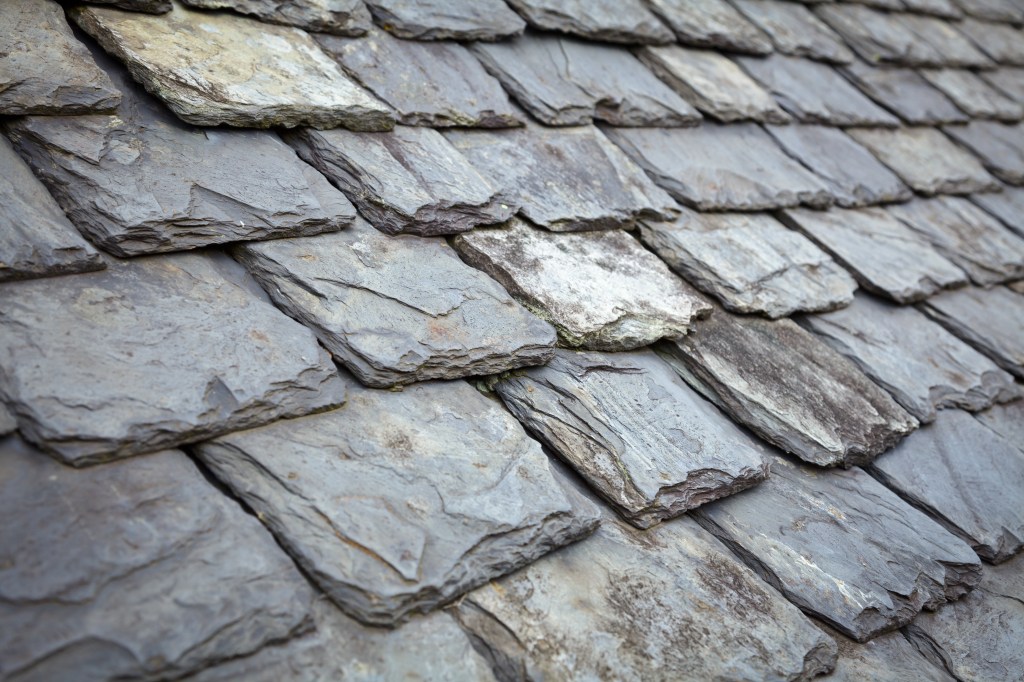
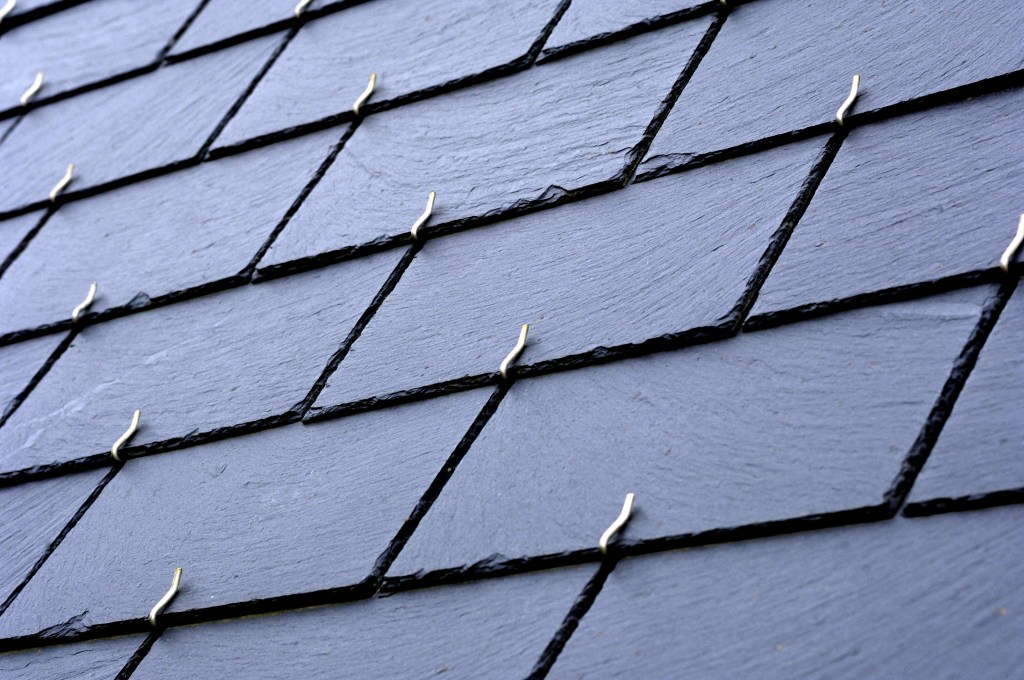
Poorer people continued to use thatching, and the Irish were poor. Even so, in Ireland people living in thatched cottages started to decline in the 1920s and 1930s as slate roofing, which became a more durable and cheaper alternative, became popular.
One place we stayed had several cottages on site to chose from. They had some thatched, some with slate, and some with modern roofing material. The owners told us it represented Ireland through time. We mentioned how much we loved seeing thatched cottages dotting the countryside. The woman told of a house down the road that the new owners had removed the perfectly good thatch and replaced it with modern roofing tiles. Why would they do that? My husband asked. The woman took a long draw on her cigarette and with narrowed eyes said, ‘They’re British, and they’re Protestant. Need I say more?” No ma’am.
Today, there is some concern over the future of thatched roofs in Ireland. Here’s a snippet from the Irish Examiner: “With fewer than 3,000 still in existence, communities must be supported in their efforts to repair, preserve, and restore the built heritage,” Minister of State Malcolm Noonan said. “Now, more than ever, communities must be supported in their efforts to repair, preserve, and restore the built heritage. It is an integral part of our culture, our sense of pride and is of huge importance to our local economies.” Irish examiner.com https://www.irishexaminer.com/farming/arid-40091318.html
For generations, the trade of thatching was passed from father to son. Today thatching is a specialized skill. Last time I visited Ireland I was pleased to see several new homes being built with thatched roofs. We also saw many being repaired. Thatching a cottage in Ireland today will cost around €10,000-€20,000 and will take about a month or two to complete. A quick search shows several places that will thatch a roof: (They’re interesting to look at.)
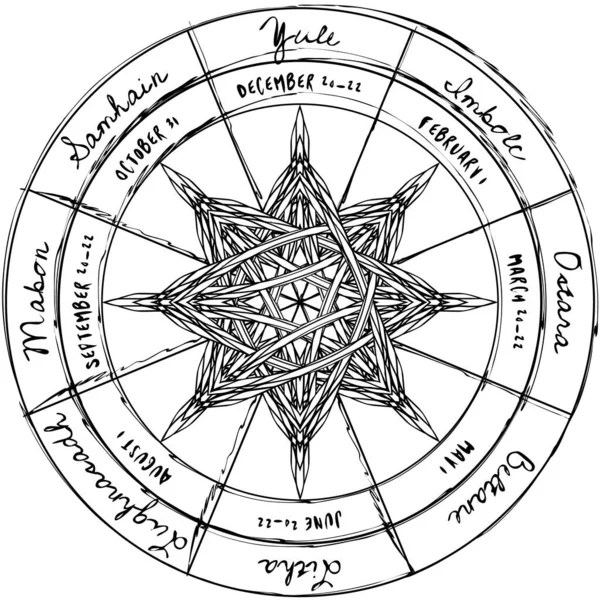
There are eight main (once) sacred days in Ireland. Imbolc/St. Brigid’s day, Ostara, Beltane, Litha, Lammas, Mabon, Samhain, and Yule. Since it’s almost May, I’m going to highlight Beltane.
Beltane is celebrated on the 1st of May. In the United States, you may have celebrated or heard of May Day. I do remember having special spring things at school for May Day and one park near my apartment went all out. There was a flag pole in the center of the park and on May Day, they tied colorful ribbons to the top and children would take the bottom end and skip around the pole, twisting the ribbon around it. Then we’d make flower crowns and have cupcakes. I was surprised that no one I know in the west remembers any May Day celebrations. Maybe it’s all the Irish in the east? At any rate, May Day comes from Beltane.
Beltane is about halfway between the spring equinox and the summer solstice. It is a Celtic word for “the fires of Bel”. Bel is most likely Belenus, the sun god. There are other spellings, which then would interpret as ‘a bright fire’, or ‘a lucky fire’. Pagans (then and now) light two bonfires, believing that the smoke purifies and increases fertility. One could dance around the flames or jump over them. In the old days, they’d run cattle between the two fires. It is celebrated in Ireland, Scotland, the Isle of Man, Wales, Devon, and Cornwall. (This is the Gaelic regions of the British Isles.)
This is a time that pays tribute to Mother Earth and Father Sun. Modern day Pagans/Wiccans/Etc. have revived many of the celebrations. Some fun activities you can do is weave flower crowns, create your own May Pole, and my favorite suggestion is to create a May basket with flowers/seeds/spring type things, and bring it to someone who may need cheering up.
If you think about how hard survival was in the past, especially making it through winter, it’s easy to see how celebrating spring makes sense. Warmth, food, baby animals, and life returning to the world after living through a bitter time would be joyous. Maybe we take spring for granted and giving a nod to some of the old ways can show gratitude for all we have. After all, there is something magical in budding leaves and those flowers peeking out of the ground, brown grass turning green, and a breeze blowing warm instead of cold.
Hmmm, what should I put in my May basket?
If you happen to be in a place that does celebrate Beltane, you might want to join the festival. See what your local area has—you might be surprised. Just so you know, if you search for information on Pinterest or search engines, you’ll start to get a lot of pagan-ish stuff popping up!
All cultures have some sort of spring celebration, so you might want to see what your ancestors did to celebrate spring.
Do you have any May Day memories? Is there a Beltane festival in your area? I’d love to know!