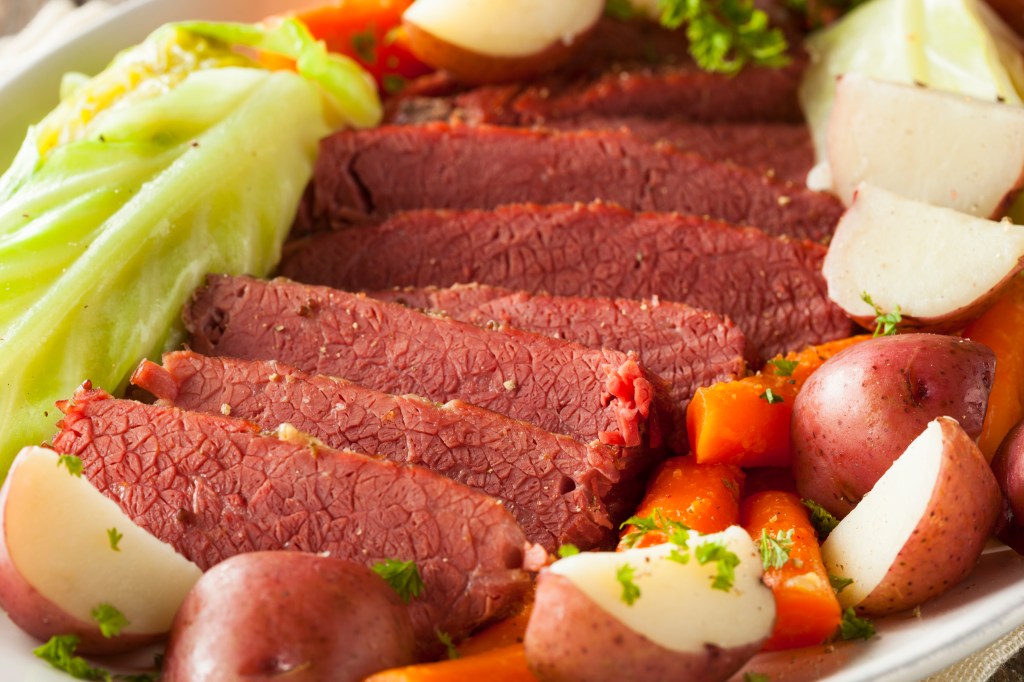
Wait…Corned Beef isn’t eaten in Ireland on St. Patrick’s Day?

Are you ready for the traditional corned beef and cabbage with Irish soda bread for St. Patrick’s Day? Maybe some green beer? After all, that’s what they do in Ireland, right?

Nope.

Then why do we Americans have it for dinner to celebrate St. Patick’s Day? It all started in Ireland…

The Irish were not much for eating beef, especially in ancient times. Cows were used for milk, cheese, and as labor animals. They were a sign of wealth and power. Clans raided each other and stole cows. If a cow was too old to work or produce milk, then it was used for beef. Pork and lamb were popular meats, if any meat was eaten at all. Mostly, meats were reserved for the wealthy and for feast days.

 Both smoking and salting meat has been around for centuries. The Irish used sea ash, which was burned seaweed, as one method of salting meat. Salting meat keep it longer and was important before refrigeration. The navies of the world used salted meats, which lasted for months, in order to have meat at all on those long sea voyages.

England used cows for beef and were considered a beef eating people. When they conquered Ireland, they changed everything. One of the changes was to confiscate land and make the Irish work for the new owners. Since the English needed more beef, they exported tens of thousands of cattle from Ireland. So much so that Cattle acts were passed in 1663 and 1667; no more live cattle could be shipped—but the meat could.
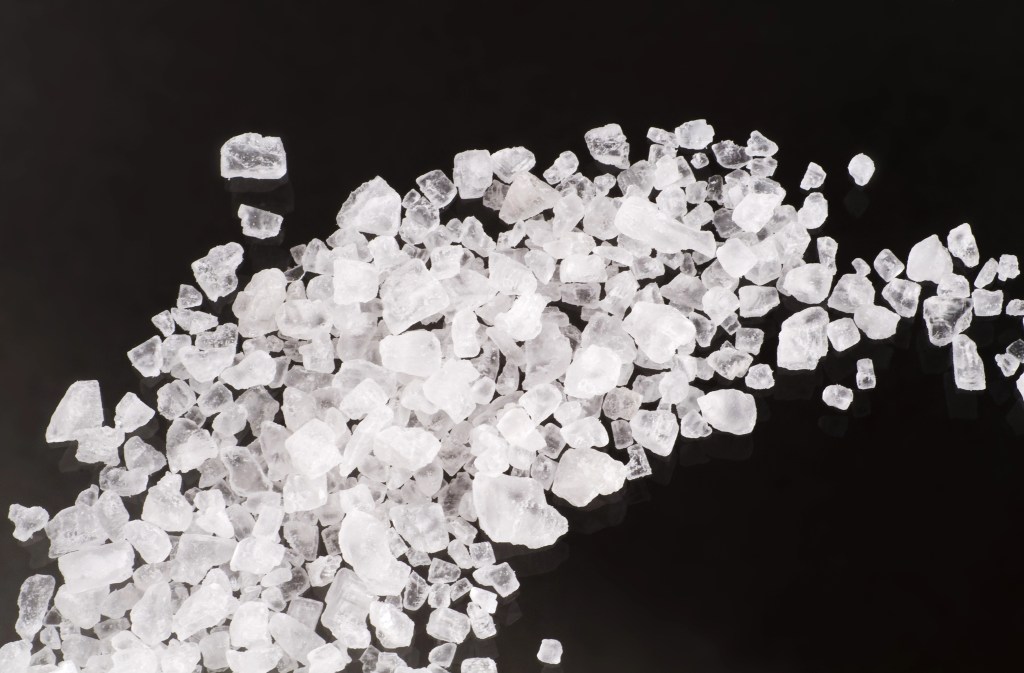
Which brings it back to salting meat. Originally, the salt crystals used were the size of corn kernels. Since Ireland’s salt tax was much less than England’s, it was best to salt the beef and then export it. Which became corned (due to the size of the salt) beef.

Ireland supplied both the British and the French navies with corned beef, as well as the American and French colonies. The Irish, however, were too poor to eat much beef themselves. They tended to have salted pork/bacon. The potato was the most consumed food by the Irish.

Until the Great Famine. By 1845 other countries were producing their own corned beef. Ireland’s potato crop failed for many years. The English refused help. To simplify a very complicated and controversial subject, one third of the Irish left Ireland, mostly to England, the United States, and Australia. One third died of starvation and disease. One third survived and remained. Even today, the population of Ireland is less than pre-famine times.

Those Irish who immigrated to the United States were not welcomed. Employment was difficult to find, with shops putting out signs that said, ‘No Irish need apply’. Even though poor, and living in the slums, their life was better than in Ireland under English rule. Interestedly, their closest neighbors were Jewish. They sold a cheap meat in their delis; corned beef. It was cheaper than bacon, which the Irish would have normally used. Also, cartoonist and other media made fun of the Irish by comparing them to pigs. Insulted, many Irish substituted pork was for cheap beef.

These new immigrants added their favorite vegetables to the meat: potatoes, carrots, and cabbage, and slow roasted it, which became our modern-day corned beef and cabbage. Irish Americans made St. Patrick’s Day a feast day to celebrate their heritage and homeland. In Ireland it was a holy day with church attendance and time spent with family.

Other customs, like green beer, leprechauns, parades, and shamrocks, are also from Irish Americans who wanted to honor and remember their homeland. Interestedly, Abraham Lincoln chose corn beef and cabbage for his first inaugural luncheon (March 1861).

Today, Chicago dies the Chicago River green, parades abound in major cities, and Irish music festivals are everywhere. Cities with a lot of Irish, like Boston and NYC, really celebrate.

Back in Ireland, thanks to tourism (and Guinness), some of the Irish American traditions trickle in. Until 1970 pubs were closed by law in Ireland on St. Patrick’s Day.

So, what do they eat in Ireland on St. Patrick’s Day? Spring lamb is popular, as is Shepard’s pie, Guinness and beef pie, colcannon, and fish stew. (You can find wonderful recipes on Pinterest.) Even today, chicken and pork top the list for types of meat most popular in Ireland over beef.

Being Irish American, we’ll have the corned beef and cabbage along with homemade Irish soda bread (which we have often anyway). What will you be having?

A great article with more in-depth information can be found here:

https://www.smithsonianmag.com/arts-culture/is-corned-beef-really-irish-2839144

Christmas in Ireland

Nollig Shona Duit (NO-ligh HO-nuh ghwich) or Happy Christmas to you.

(Nollaig is also the word for December)

Though I have been in Ireland in summertime and autumns, I have not (yet) been there at Christmastime. I feel like I’m missing something. It is on our ‘bucket list’. Looking at Irish traditions is tricky, as it would be to write about an America Christmas. Traditions in the south would vary from those in the west, or east coast. Even then, families have their own traditions that their neighbors might not have. Also, to label something as ‘Irish’ could be misleading because many of the traditions are also in Scotland, Wales, and England.

However, there are some common themes that many in Ireland enjoy for this festive season. You may even have some of these traditions yourselves! Here are a few:

Traditionally speaking, December 8th has been the day to begin Christmas decorating, shopping, and preparing. (The Feast of the Immaculate Conception.) However, like most everywhere, many begin much earlier (or later). Christmas markets are a more modern addition to the festivities.

Twelve Days of Christmas, or Twelvetide, is December 25th to January 6th. This is the span between Christ’s birth and the coming of the Magi; the Epiphany or Three Kings’ Day. There are usually celebrations of some sort all twelve days, both religious and secular. January 6th is traditionally the day decorations are taken down and Christmas is officially over. One interesting article mentioned the twelve pubs of Christmas—the object being to visit a new pub every night and play different games, like only using your left hand.

The awful Christmas sweater contests have caught on in Ireland as well as the USA. In fact, in a world comparison, Ireland came in first place, Canada second, and the USA third. (Finland last.)

The Christmas Carol is a classic, with at least twenty-four movie adaptions. (And then all the TV shows that have snippets during Christmas.) The first movie, 1908, is only about six minutes. But, have you heard of “The Dead”? It’s a short story with similar themes written by James Joyce in 1907. It’s included in a collection of short stories titled The Dubliners. Many Irish read this story at Christmas time. I will have to give this one a try. James Joyce is pretty awesome.

Christmas Eve begins with a light in the window to welcome Mary and Joseph. Going back in time it also showed a safe house for priests to perform mass as in penal times mass was not allowed. (English Penal laws against the Catholic Irish were in place for most of the 1700s.) The youngest in the household should light the candle and a girl named Mary should be the one to put it out. Many countries leave gifts for Santa. Milk and cookies are popular in the USA. Mince pie and Guinness are popular treats for Daidi na Nollag (Santy) in Ireland, along with a carrot for the reindeer. Midnight mass, usually at 10pm now, was and is a huge social gathering on Christmas Eve.  

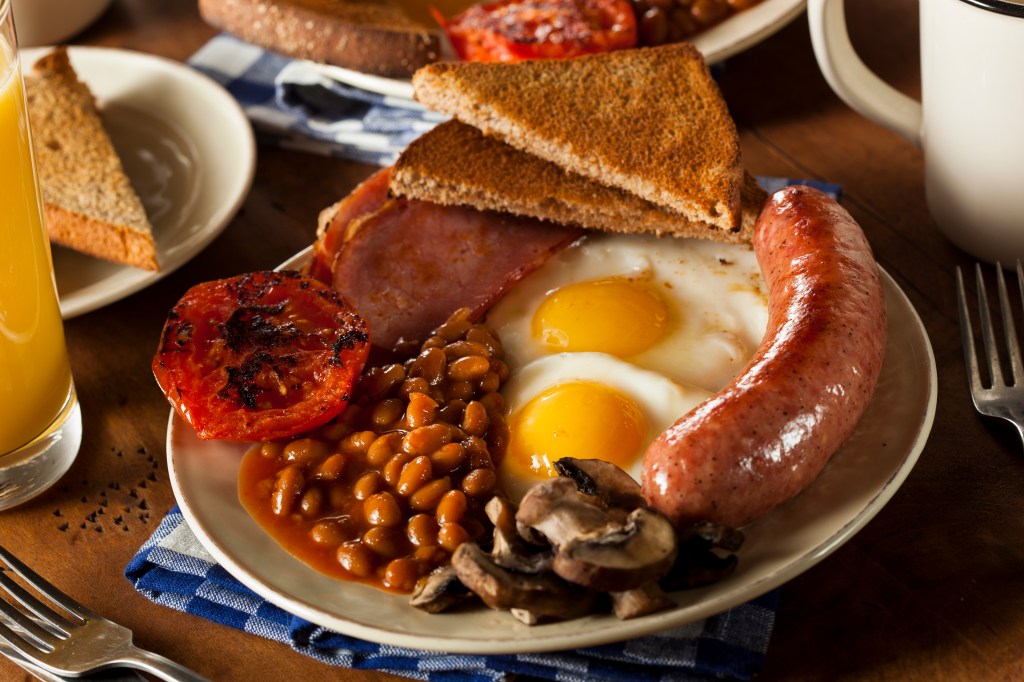
Christmas morning might very well find hundreds, all over Ireland, jumping into the ocean in their swim suits. Brrrr. Many do this for charities. It’s also considered a great cure for a hangover. Whether before or after gifts, a full Irish breakfast is a must.

What’s on the menu? Black and white pudding, rashers, eggs, bread, beans, mushrooms, tomatoes, potatoes, tea, and coffee. What are black and white puddings? Blood sausage. I have not tried this, but it’s apparently delicious. Here are some sites to buy or make your own: https://www.foodireland.com/donnelly-black-white-pudding-8oz-8-pack.html

Rashers are Irish bacon, and this I have had. It’s wonderful and I don’t know why we don’t have it here. It’s more like ham than our bacon, made from the pork loin rather than the pork belly.

Dinner time. Like in the USA, there is some sort of meat, typically a turkey. (Ham, goose, duck or salmon could also be the meat of choice.) Spiced beef is popular in Co. Cork. Gravy, homemade cranberry sauce, and a bread sauce accompany the meats. I had never heard of bread sauce. It’s cream and onions thickened with bread. Here’s a recipe: https://flawlessfood.co.uk/bread-sauce/ . Carrots, turnips, and Brussel sprouts are common sides, along with several potato dishes. Here’s a fun site for menu ideas: https://www.irishtimes.com/food/recipes/2023/11/23/old-irish-dishes-that-imbue-christmas-dinner-with-exotic-flavours/

Christmas poppers are a fun tradition. We’ve done that a few times and you can find them online and in some stores in the USA. Here’s a homemade one:  https://www.amazon.com/Handmade-English-Christmas-Table-Decorations/dp/B082DL5WY6/ref=sr_1_2_sspa?crid=3S7WP5F3BU0O2&keywords=christmas+crackers+with+snap+and+prizes&qid=1702773201&sprefix=christmas+cracker%2Caps%2C159&sr=8-2-spons&sp_csd=d2lkZ2V0TmFtZT1zcF9hdGY&psc=1&smid=A3HA8E34B7O9H9

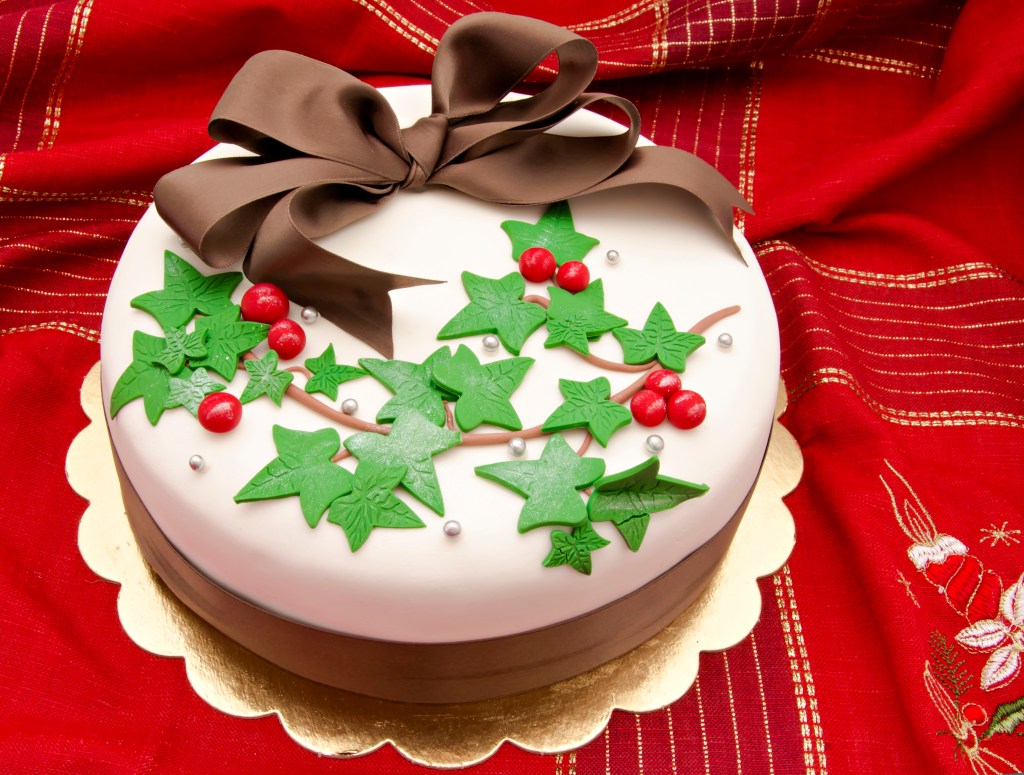
The most popular food I found was the Iced Christmas Cake. This is a dark fruit cake that one should start in Oct for the best flavor. It’s wrapped in foil and spiked with whiskey as it mellow and matures. It’s later covered in royal icing and covered and decorated in marzipan. Here’s a recipe if you’re brave enough to try it: https://thefoodellers.com/en/traditional-irish-christmas-cake-recipe

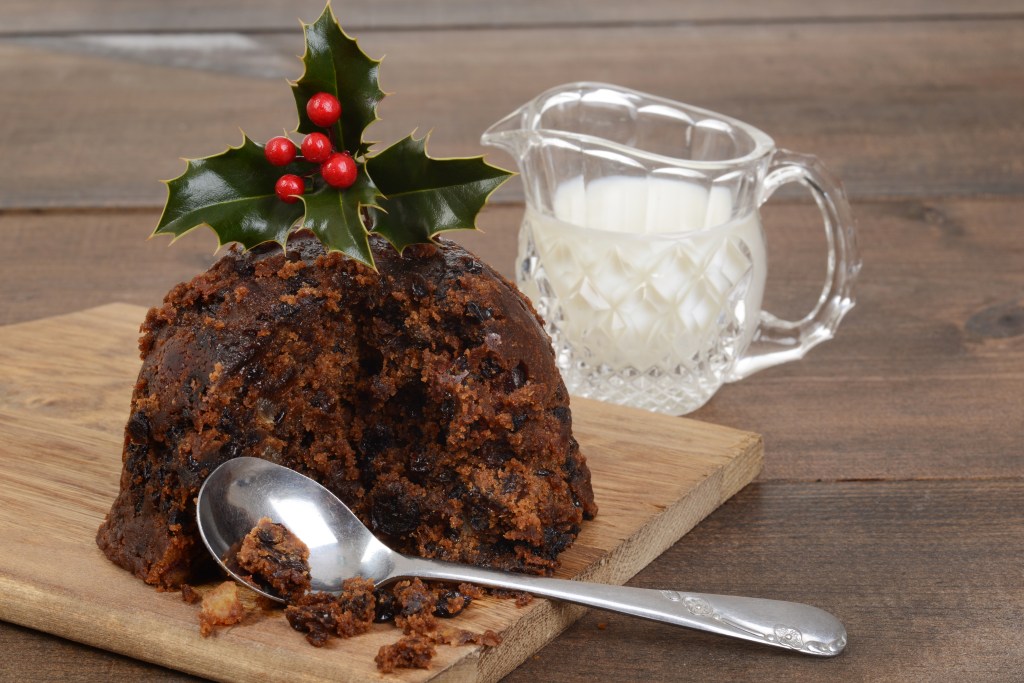
Next is the Irish Christmas pudding, which is like the English one, also known as Plum pudding or Figgy pudding. In the past, it was made with porridge and scraps of meat or fish and thickened with bread crumbs and eggs. Prunes were later added. Now, it’s a steamed bread pudding douse in brandy. Try it and let me know what you think: https://www.countryliving.com/uk/create/food-and-drink/recipes/a209/stir-it-up-sunday-christmas-pudding-recipe

A tin of biscuits (cookies) and some Cadbury roses are also a must to nibble on throughout the day. (Hazel Caramel is the most popular one in Ireland.)

Mince pies are small pastries. They used to be meat pies, now apples, spices, suet, currants, and sugar make up the little pies. A dollop of whipped cream is nice to add.

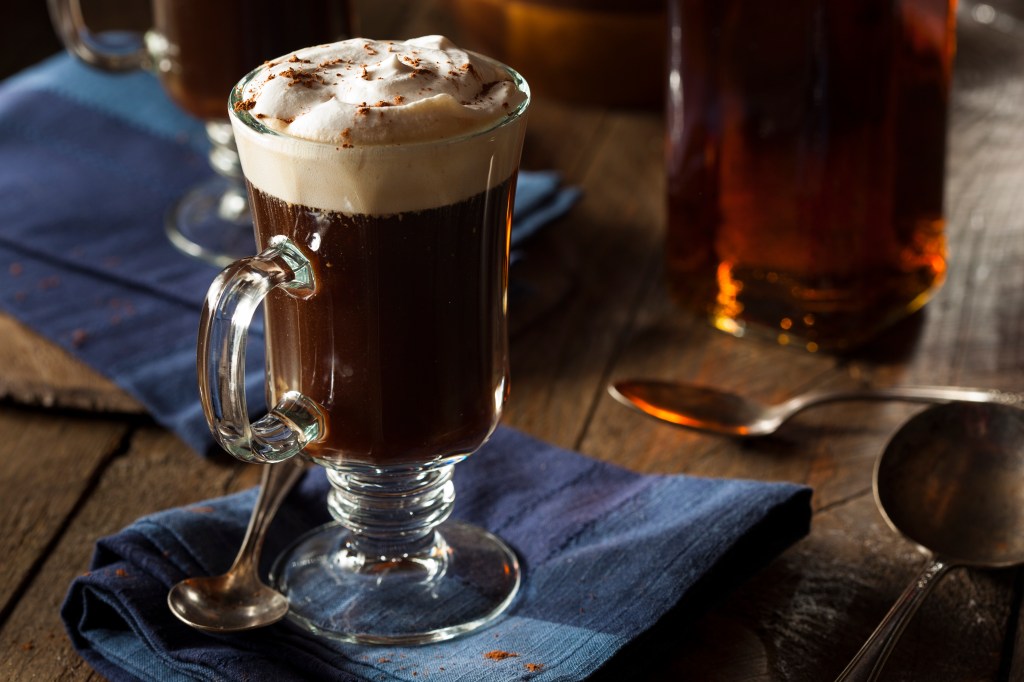
Would it be Ireland without Irish coffee? This concoction was apparently created in 1943 by Joe Sherridan in Limerick. (Strong coffee, brown sugar, Irish whiskey, and double cream.) Then there’s hot whiskey, mulled wine, hot spiced port, whiskey eggnog, and Baileys liqueur. Maybe the Christmas swim should take place the day after Christmas.

Saint Steven’s Day. (26th December) Since he’s the patron saint of horses, why not have horse races? If you look on YouTube you can watch the Wren Boys. It’s not as popular as it once was, but I think there is a revival on this one. The story goes: during penal times a village plotted against the local British soldiers. The townsmen surrounded the soldiers, but a flock of wrens pecked on the soldier’s drums and woke them. The plot failed and the wren became the ‘devil’s bird’. Now, a group will dress up in old clothes and straw and march with drums from house to house. A holly bush with a dead wren (old days) was carried at the head of the procession.

January 6th. Nollaig na mBan. Women’s Christmas. The women, who’ve worked for months to make Christmas special, get a day off with friends while the men take down Christmas and do the chores. It’s evolved into more of a time to gather with friends, but still, a great idea.

Do you have any of these traditions? Which are your favorites? Ready to try something new? I’m not sure about the blood pudding, and I don’t drink, but everything else sounds fun. I’d love to watch the Wren boys procession in person.