
All cultures have scary creatures. Listed here are a few of the more famous Irish creatures, just in time to haunt you for Halloween.
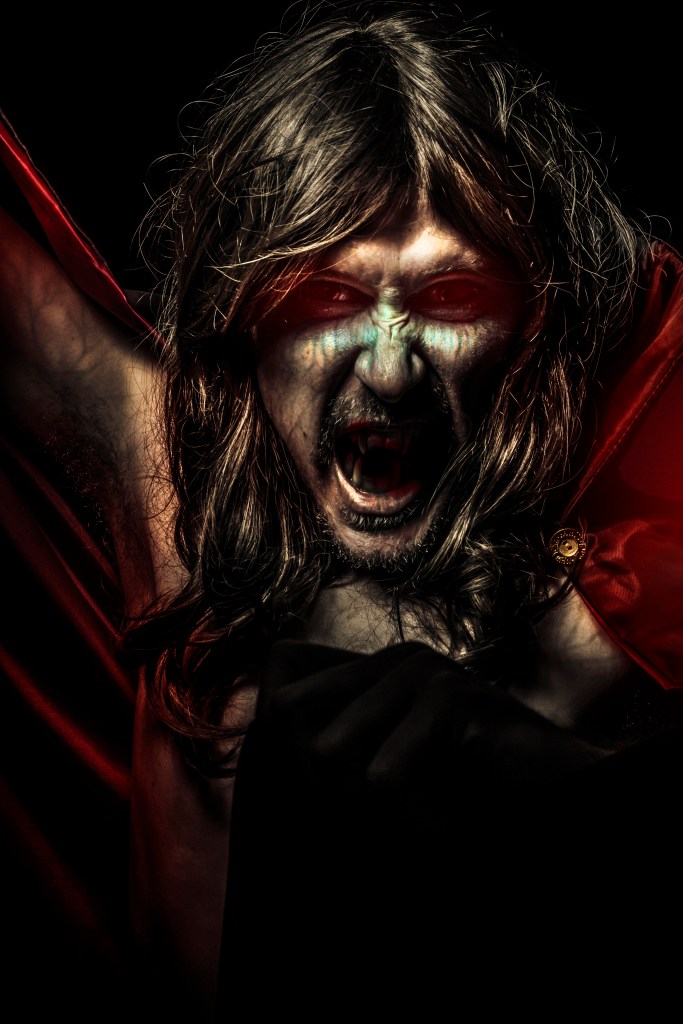
Abhartach (something like; ow-a-ba) – There is some interesting research that points to the Abhartach as the real inspiration for Bram Stoker’s novel, Dracula. Stoker is an Irishman, so he would have been familiar with this creature. The Abhartach was a magical dwarf, and a cruel chieftain. Due to his evil rule, a neighbor chieftain, either Cumhail or Cathain (depending on the story) slew him and buried him, standing up. Abhartach escaped the grave as a walking dead and wreaked havoc, drinking the blood of anyone he came across. He was so powerful he could drain blood from his victim just by standing near them. Cumhail/Cathain again slays him and buries him, once more in a standing position. Abhartach returns again, out for revenge. Cumhail/Cathain finally consults with a druid. Combining two versions; Cumhail/Cathain slays Abhartach with wood from a yew, buries him upside down, puts thorns on the grave, and a large stone (laght) on top. This laght still exists in Slaghtaverty, Derry, Ireland. In case you wanted to visit.
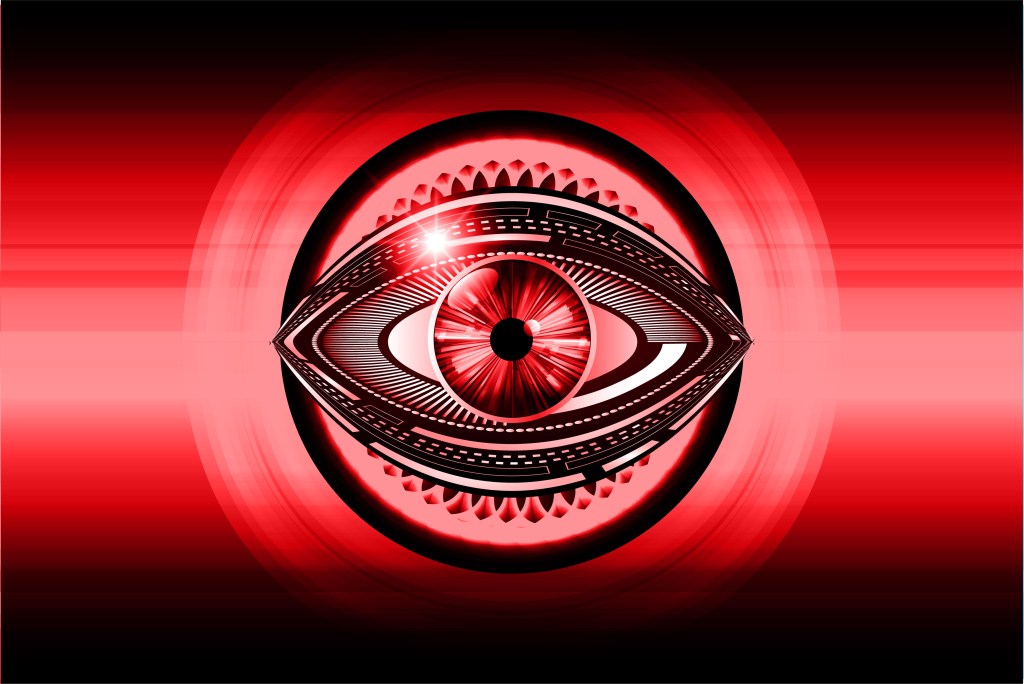
Balor of the evil eye was a giant king of the Formorians. They were malevolent supernatural beings who are eternal enemies to the Tuath De Danann. He had a large eye, somewhat like a cyclops. When he opened his evil eye, he caused mass destruction to everything he looks upon. He learned of a prophecy that his grandson would kill him someday, so he locked his daughter, Ethniu, in a tower. But Cian Mac Cainte, a Tuatha, attacked and recued her. They were married. She had three sons, triplets. Balor orders them all killed. They are cast into the sea. Birog, a woman fairy or druidess, saves one son, Lugh. He later slays Balor.
Bananachs are demons of the air. They often appear as ghoulish goats. Mostly they haunt battlefields, waiting for that last breath so they can collect the souls of the dying and bring them to the devil. They are not wanted in heaven or hell. Bananachs encourage and exult in bloodshed.
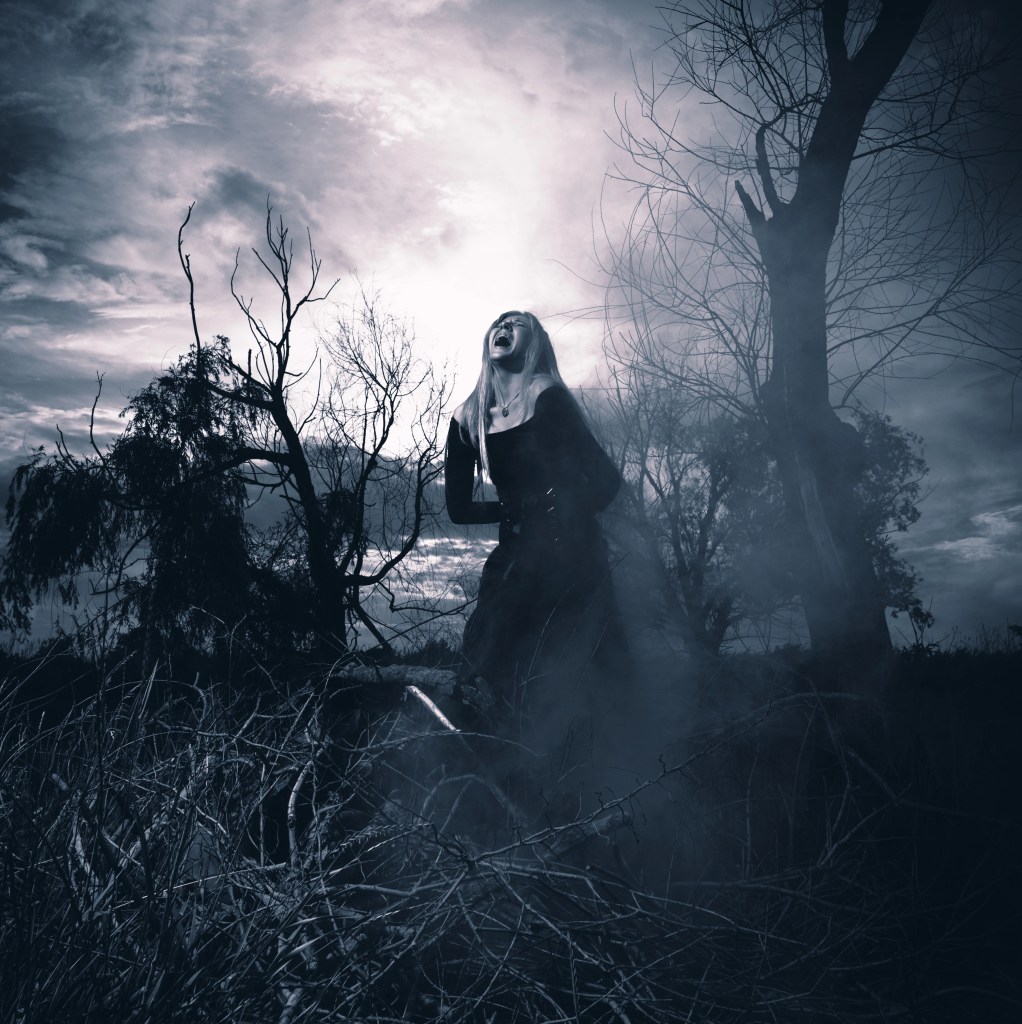
The Banshee is probably the most well-known Irish creature. The word derives from Bean, (bon) meaning woman and si or sidhe meaning fairy. Her job is to herald death by keening, weeping, wailing, and shrieking. Sometimes they may take an unexpecting victim on their way to the dying person. Also, they might shriek and wail to drive a person insane. Here’s a fun clip from the movie Darby O’Gill and the Little People that shows both a Banshee and a Dullahan.
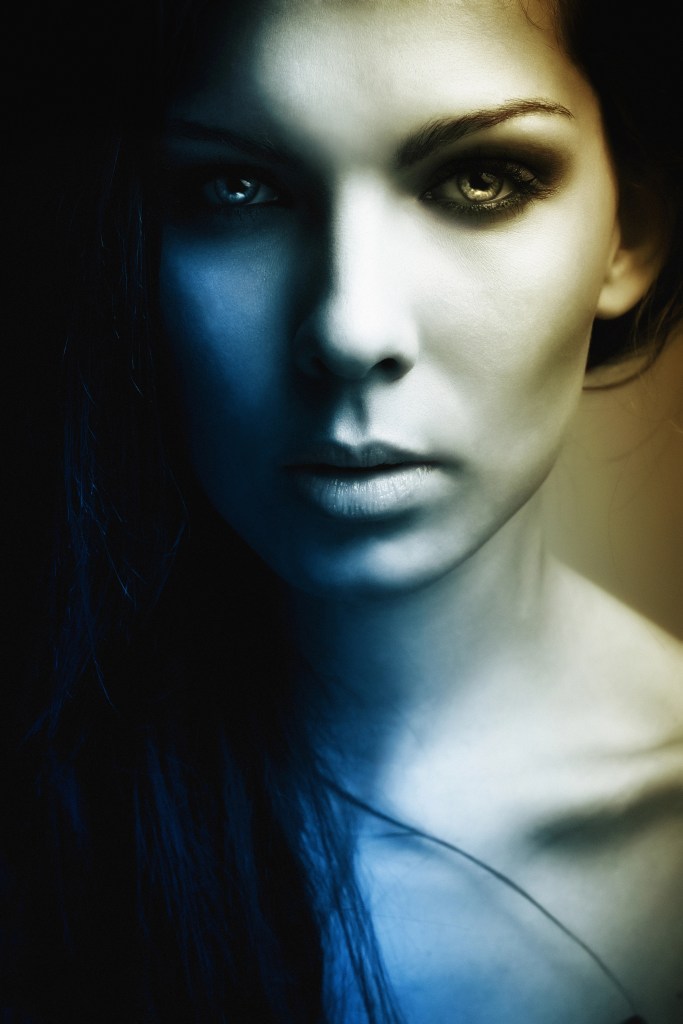
Dearg Due is the tragic tale of a beautiful woman forced to marry a cruel man instead of her lover. Her father only wanted profit from marrying her off to a rich man and refused to listen to her pleas or that of her lover. The chieftain she married was exceptionally cruel and often locked her away for weeks at a time. She wasted away and died. The only one to mourn her death was her lost love. Now the story turns from tragic to horrifying. Her rage brings her from the grave, seeking revenge from those who wronged her. She goes to her father and kills him. Next, she visits her husband and sinks her teeth into his neck, drinking his blood. This creates and unsatiable bloodlust. Using her beauty, she lures men to her and feasts on their blood, killing many. Until one day…she simply disappears. She is, supposedly, buried under Strongbow’s tree in Waterford. Not that that would be high on the tourist list.
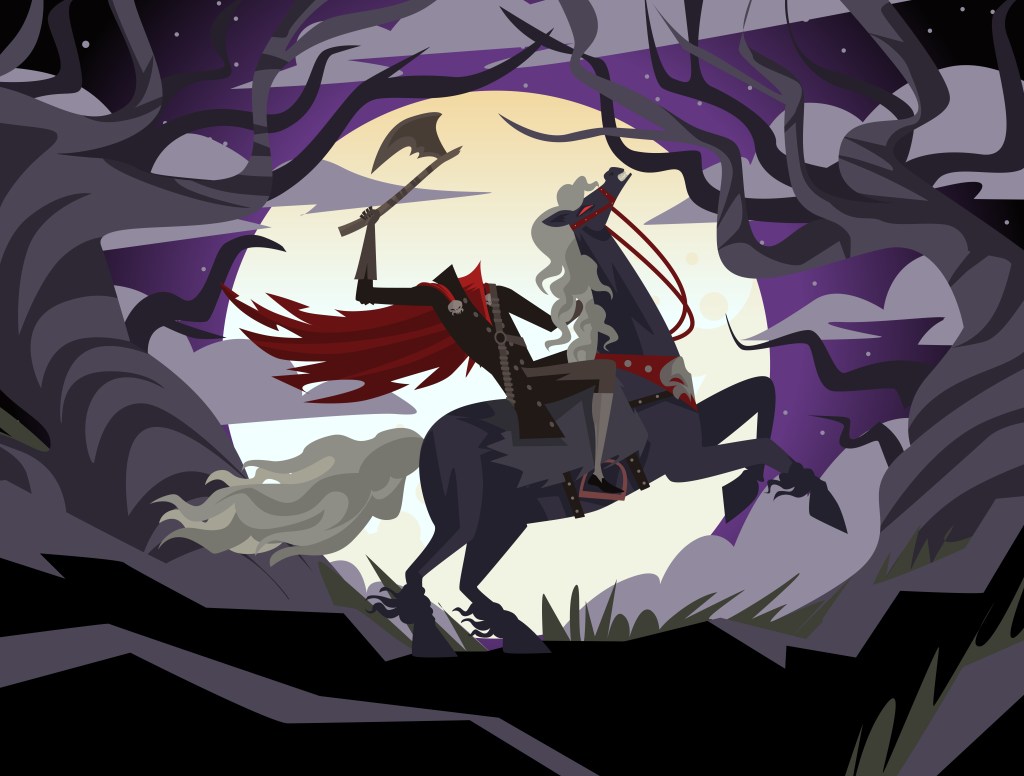
Dullahan is a headless horseman and possibly the inspiration for Sleepy Hallow. He rides a horse or drives the death coach to collect souls of the dead. His whip is made from a human spine and he carries his decomposing head in his arm. If you stumble upon him while collecting souls, he will run you down and take your soul too. Once he speaks your name, you are marked and there is nothing you can do.
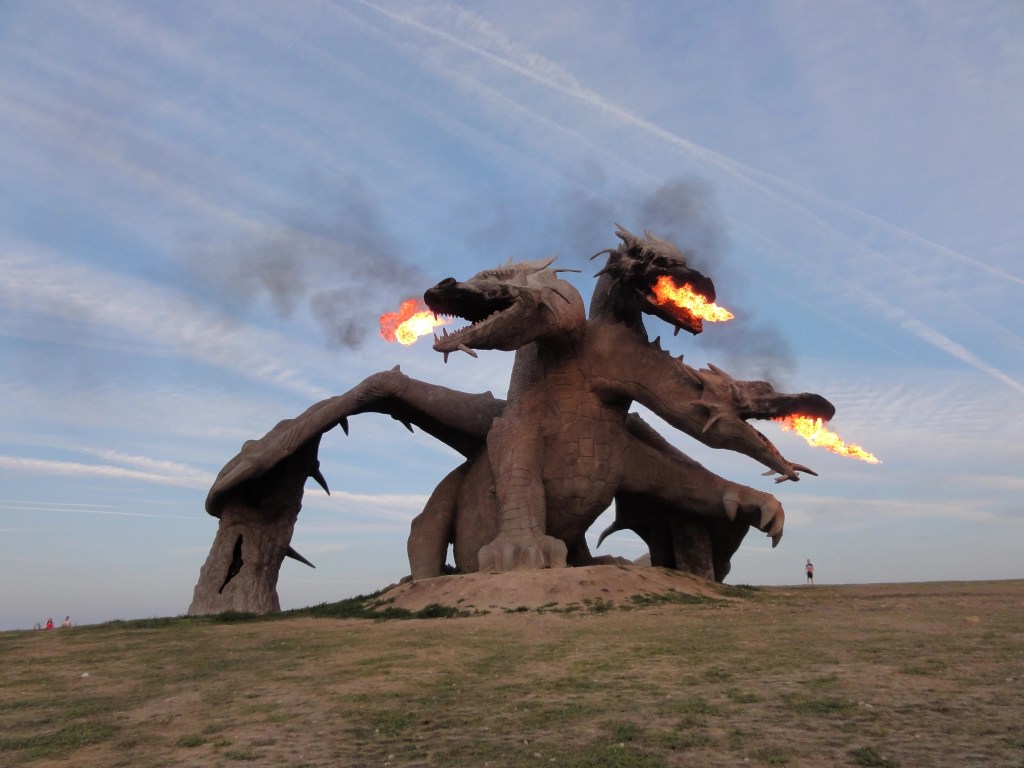
Ellen Trechend was a massive fire-breathing vulture or dragon with three heads. It lived in cave Cruachan in County Roscommon. When it came out of the cave it went on rampage of death and destruction burning everything and everyone in sight. Eventually it was killed by the poet/warrior and hero, Amergin mac Eccit. The cave of Ellen Trechend is located in Roscommon, and interestedly, there are over 200 archaeological sites there. Monuments range from 4000 BC to 400 AD. Truly a place to visit…as long as Ellen Trechend is really dead…
Fomorians – eternal enemies to Tuatha De Danann. Balor (above) was their king. The Fomorians were first in Ireland. Supposedly they built the megalithic monuments (aligned to moon rather than sun.) and fought with Tuatha and Fir Bolg for control of Ireland. Most legends say they are hideous but there are others that claim they were beautiful. There are several intermarriages, so maybe they weren’t so horrible looking. After many wars the Tuatha defeated them in the second battle of Moy Tura. Balor is the grandfather to the greatest Irish hero, CuChulainn.
https://emeraldisle.ie/the-fomorians
Oillipheist (ol a fisht) is a huge water serpent that lurks in rivers and lakes; particularly River Shannon in county Cavan. It has control of water, causing floods as well as storms. It is so big it can swallow ships whole. Its gaze will paralyze victims while it drags them to their watery death. It may have hidden treasure in the depths of the murky waters, but no one has ever survived the Oillipheist to tell the tale. Maybe a dip in the river isn’t such a wise idea.
Sluagh (sloo ah) are the unforgiven dead. They are not welcome in heaven or hell, so they wander earth, hunting souls for the devil. They can be invisible, change their appearance, and fly at night. They might sound like a whirlwind of ravens, flapping their wings, cawing, ready to attack. They are skilled trackers and once they have your scent, there is no hope. They attack with the west winds, and even today, cautious people close their west windows when the winds pick up.
Irish creatures are a mix of mythology and just plain scary creatures. Which ones do you find the most frightening?




 All Things *Ancient* Irish