Caught In Between; Harmless Creatures of Ireland

Ireland has a rich lore of mythological creatures, good, bad, downright evil, and those somewhere in between. Here are a few of those (mostly) harmless beings that dwell in the mists and myths of Ireland.
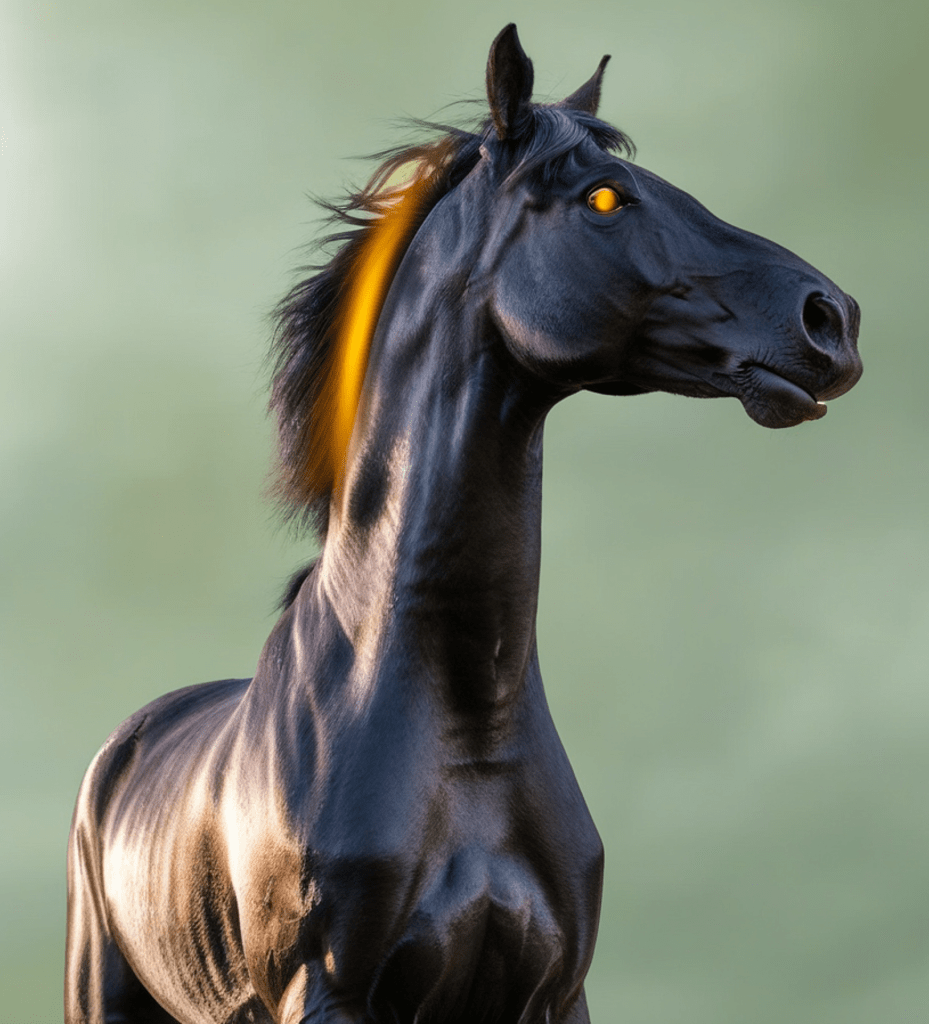
  1. The Pooka. Also know as: Puca, Phouka, Poc, and Puck. Poc is he-goat in Irish. The Pooka is a mischievous fairy, a shape-shifter/goblin/sprite. Shakespeare’s infamous imp in A Mid-summer’s Night Dream is Puck. It can appear as a horse, goat, cat, dog, rabbit, donkey, a beautiful young maiden, or a handsome youth. Even as a human, it may retain some animal features, like ears or a tail. It mostly appears as a magnificent black stallion with yellow or red glowing eyes. It can be found in bogs and marshes. (So, places to avoid?) The Pooka either brings good luck or is a warning of coming doom. It is a trickster and enjoys a good prank. Brian Boru, the greatest high king in Ireland, is the only one to have ever controlled a Pooka. He made a bridle out of the Pooka’s (appearing as a horse) tail hair and rode the Pooka until it became exhausted. It promised to stop tormenting the countryside and never harm an Irishman, unless an outrageous drunk. Of course, the Pooka did not keep it’s promise. If interested, you can find out more here: irishcentral.com/roots/history/irish-legend-pooka

2. Merrow – (Muruch) – is the Irish version of a mermaid. They are sea fairies, but also live on the land. They have green hair and webbed hands. The Merrow has an item, like a hair comb, that allows them (and others) to live and breath under water. If the item is lost or stolen, the Merrow must remain on land. If a man marries a Merrow, he would have to obtain and hide the item, or she would return to the sea. Either way, the poor Merrow would long for her watery home as long as she was on land. They are also the sirens of the sea, luring men to them, either to take them to their deaths, or live with them under the sea. The mermen are apparently extremely ugly and dangerously mean. Perhaps that is why the Merrow seeks a human?
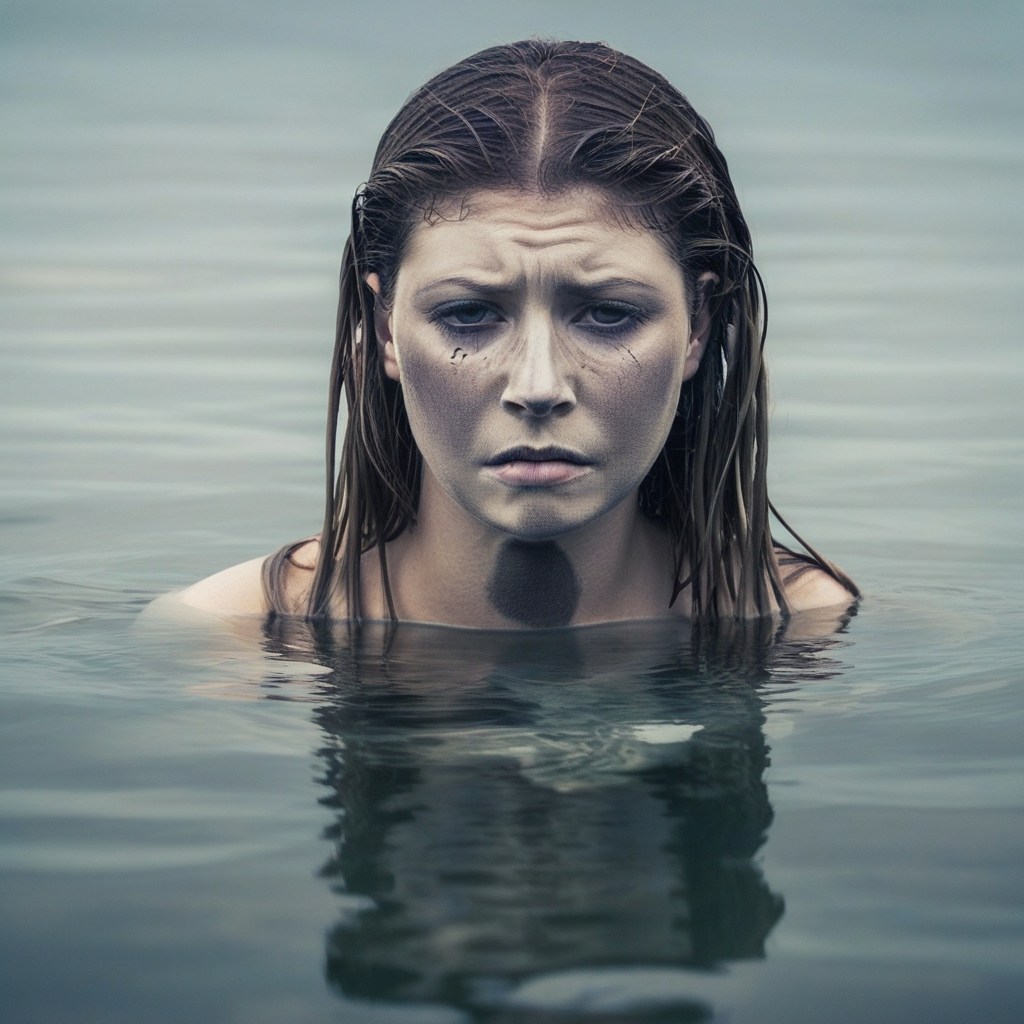
3. Selkie – A Celtic creature, found in Scotland, Iceland, and other coastal places where Celtic peoples lived. A Selkie is a seal in the ocean and a human upon the land. Once on land, they shed their seal skins and hide them. If stolen, the Selkie is landbound until it is returned to them. They are said to make good wives, but will always long for the sea. It would seem that a Merrow and a Selkie could be good friends, if living in the same village…sounds like a good story here…) I first heard the tale of Selkies in a Joan Baez album where she sings old ballads.

https://genius.com/Joan-baez-silkie-lyrics
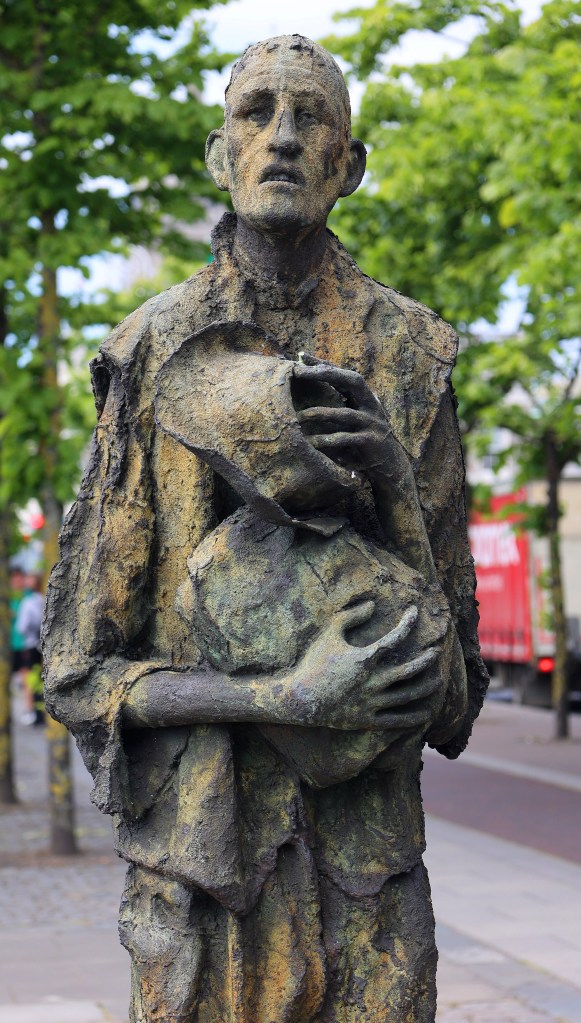
4. Fear Gorta – Fear (far) is man in Irish and Gorta is hunger, so Fear Gorta is a man of hunger, or a starving man. As such, he appears as just that, a beggar that is starving, close to death. His ghoulish appearance is a portend of coming famine. If, as a beggar, you are kind and feed him, he will be generous to you; if not, he will show no mercy, bringing disaster and despair, along with famine. It is said he appeared just before the Great Famine of the mid 1800s in Knockma, county Galway. Maybe someday I’ll touch upon the Great Famine, but it’s such a terrible part of Irish history that I hesitate delving into it.

5. The Far Darrig – (Fear dearg) – the red man. He is similar to a leprechaun in stature and in that he loves mischief and pranks. However, the Far Darrig wears red rather than green and isn’t as fond of gold as the leprechaun. Most of his pranks are playful and harmless, though he can be spiteful.

6. The Bodach – appears as a poor, elderly farmer, wearing a worn hat and chewing hay. He usually foretells of death and disaster. (It would awful if the Far Darrig and Fear Gorta became buddies!) He enjoys sneaking into homes and poking people until they wake and to play pranks on children. A bit of salt on your threshold will keep the creature out. If you’ve been startled awake at night, it might be the Bodach! Read more here:

https://www.theirishroadtrip.com/irish-mythological-creatures/emeraldisle.ie

These are a few of the favorite, more or less harmless creatures of Ireland. It’s interesting to consider a countries history and beliefs when looking into their mythology. After studying The Great Famine, I think the Fear Gorta is the most frightening. He, himself, may be harmless, but what he brings in his wake is not. Did you find any interesting creatures on this list? Did I miss one that you think should have been added?

As always, I enjoy your comments and feedback!
It’s Lughnasadh! Let’s Celebrate!

What exactly is Lughnasadh?

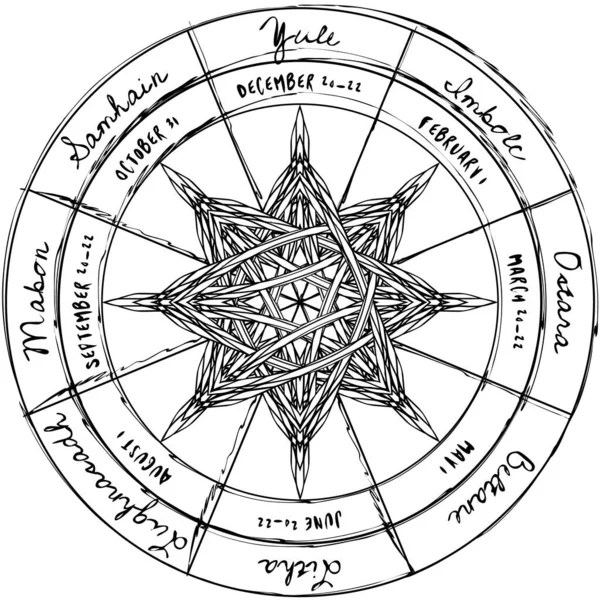
Lughnasadh, pronounced ‘loo-nas-ah’, is an Irish festival that heralds in the harvest season. It’s on the first day of August or celebrated on the day of the full moon nearest 1 August. This is halfway between the summer solstice and the autumn equinox. It is also called Lammas (old English). It’s one of four fire festivals in Ireland. It is also celebrated in Wales, Isle of Man, Cornwall, Scotland, and parts of England. (Celtic influence.)

In ancient Ireland, this was the day to cut grain. If one cut their grain too early, they ran the risk of running out of enough grain to feed their families through the winter. After the harvest, loaves of bread were baked and a celebration ensued. These would include: feasting, matchmaking, trial marriages (in which young couples joined hands through a hole in a wooden door and were married for a year and a day. They then could decide at the next festival if they wanted to stay married), trading, markets, horse races, gatherings of far-flung family, music, storytelling, picking blueberries, law proclamations, visiting holy wells (to leave offerings and pray for health), and athletic contests.

Personally, I think the whole trial marriage idea would make a great novel.

The Tailteann games, considered the first Olympics, originated here. They comprised of competitions in long jumps, high jumps, tug of war, climbing mountains, wrestling, rowing, archery, spear throwing, sword fighting, running, and chariot and horse races. These games were about 1000 years before the Greek Olympics.

Myth surrounding the festival: the Tuatha De Dana god, Lugh, started it as a funeral feast, as well as athletic competition, to honor his foster-mother, Tailtiu. She died of exhaustion after clearing the fields of Ireland so they could be planted. Lugh was a god of many talents. He’s the god of craftsmanship, including; blacksmithing, wheel making, and fighting. (I’m not sure why fighting was in the list for craftsmanship, but it is an art form and this is Irish…)

Christianity adopted the pagan festival by blessing the loaves of bread at mass (Lammas=loaf mass). The mountain climbing became a pilgrimage. Holy wells turned to going to church to give thanks for the harvest and enjoying the fruits of your labor.

Today, with Irish revival, Lughnasadh, like other ancient festivals, are celebrated. One example is the the Puck Fair. It’s probably a survival of the Lughnasadh festival, though the first record of the fair is in 1613. It’s held each year in early August in the town of Killorglin, County Kerry. At the beginning of the three-day street festival, a wild goat is crowned “king,” while a local girl is crowned “queen.” The festival includes traditional music and night concerts, traditional Irish dancing, a parade, arts and crafts workshops, a horse and cattle fair, and trade stalls, to name a few. The festival ends with a fireworks display.

We happened to be in Kerry at this time one year. It was crazy! Hundreds of people for miles in every direction. Unfortunately, we didn’t stop to take in the festivities, but we had to drive very slowly through several streets a few different times and were able to see all the fun things they had going on. Our host at the BnB said they used to go every year and people from all over Ireland attend. Interested? Here’s a link for you: https://www.bandbireland.com/festivals/festivals-and-events/puck-fair

Neo-pagans, Wiccans, and modern Druids also make it a point to celebrate this festival today. Most cultures have probably had a time to give thanks for a bountiful harvest. We have Thanksgiving, which has also changed through time.

Though celebrating fall harvest the first of August seems a wee bit early to me—like going to Hobby Lobby for 4th of July decorations and seeing autumn décor—it was important to the survival of the ancients.

If you want to have your own celebration you can bake some bread and a blueberry pie or cake. Maybe have a bonfire and family competitions while listening to Irish music. Or watch this movie, Dancing at Lughnasa starring Meryl Streep: https://www.imdb.com/title/tt0120643/?ref_=fn_al_tt_1 (Let me know if you watch it and what you think.)

My bread is baked. Blueberry cake sounds good. I think I’ll check out the movie since I haven’t seen it. Are you ready to do some celebrating?  

A bit about Thatched roofs

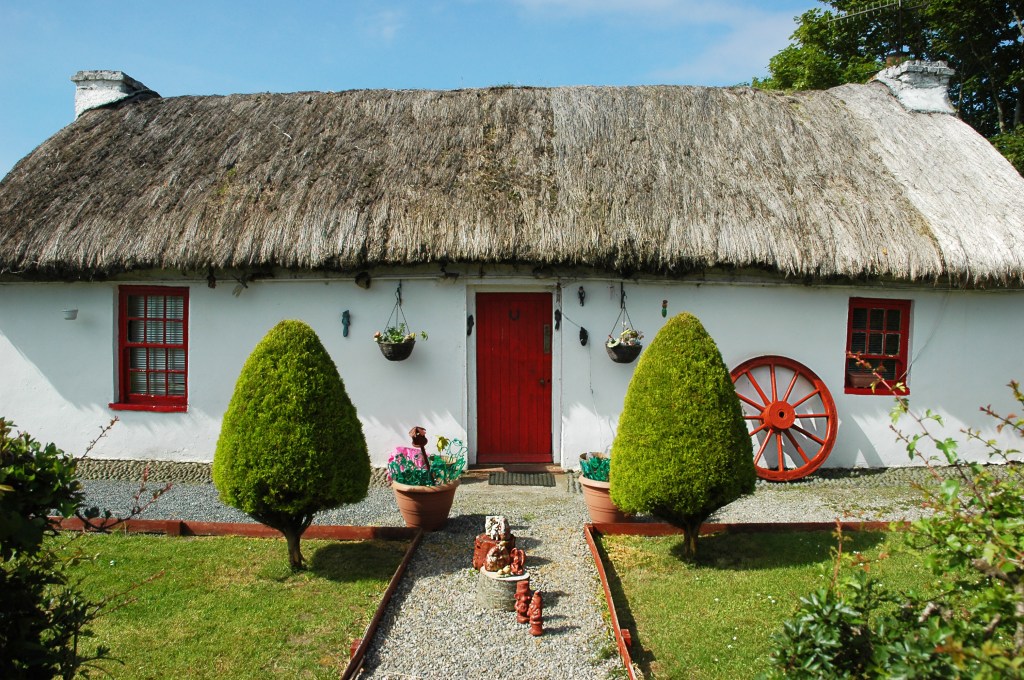
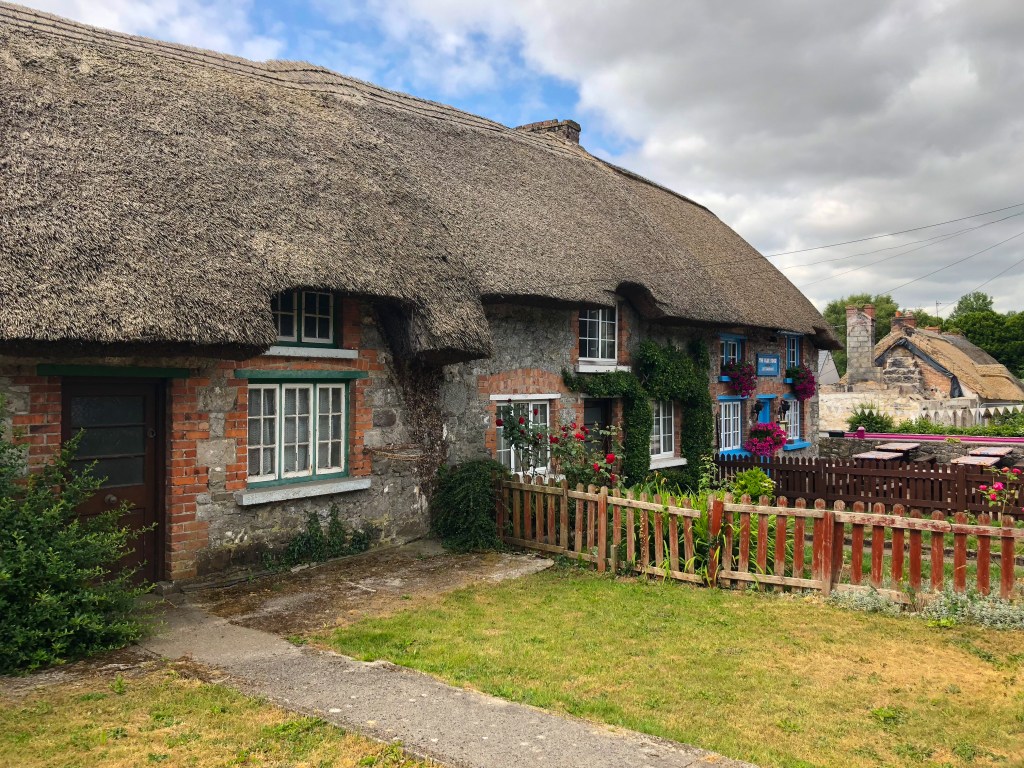
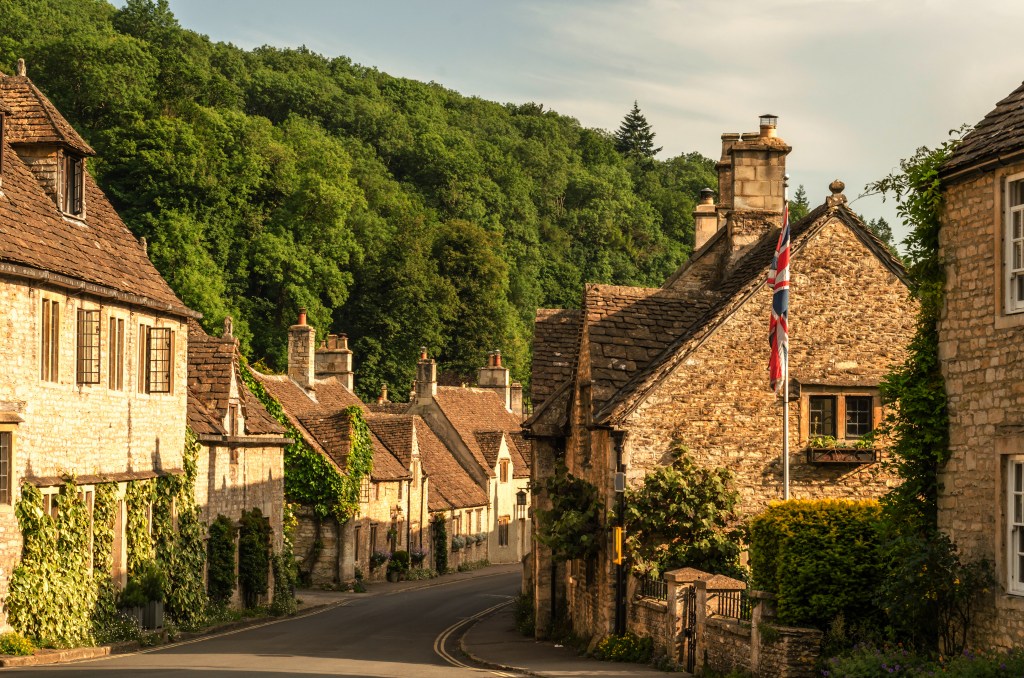
When one thinks of Ireland, even today, picturesque images of thatched cottages usually come to mind.

               As iconic as that is, thatching is a technique that has been around for thousands of years, all over the world, not just Ireland or the United Kingdom.

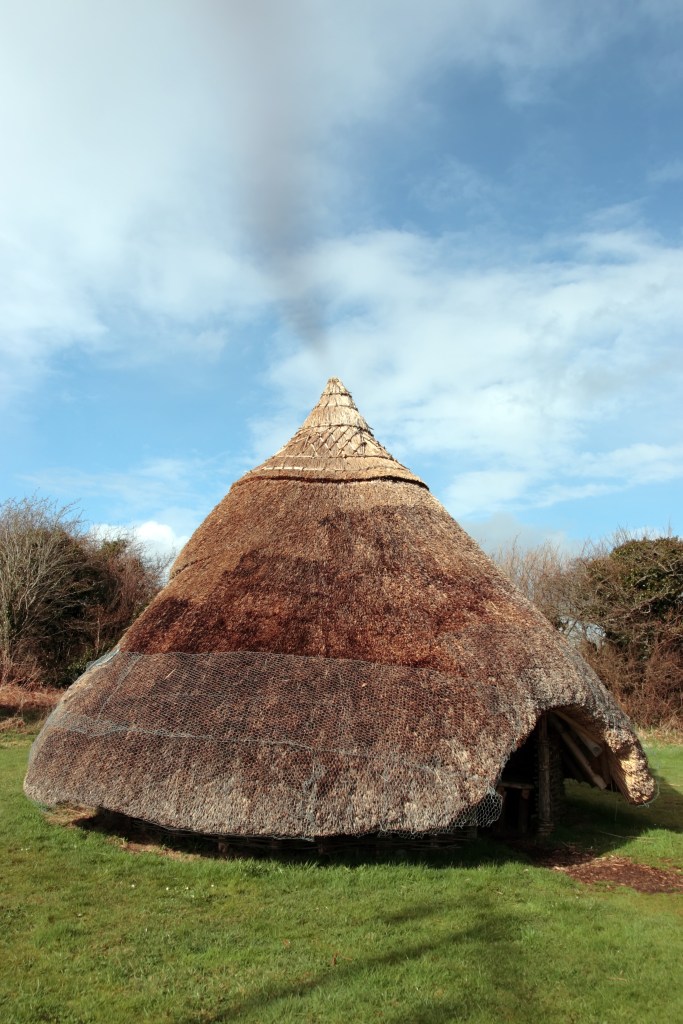
In England, The Howick House (“Britain’s oldest house”), located in Northumberland, England, dates back to 7600 BC and is known to have been thatched. (That’s not a picture of the Howick house though.) Iron age (approximately 1,200 to 550 BC) towers and fortresses around the world used thatch for roofing. Thatch was even used on castles, both during and after construction. Many of the main buildings had tile roofs, but the less important areas used thatched roofs.

The first version of thatching was a simple sod roof; materials readily handy and useable worldwide. It was very common in colder countries, such as Iceland, Denmark, and Sweden because it was a good insulator from the cold.

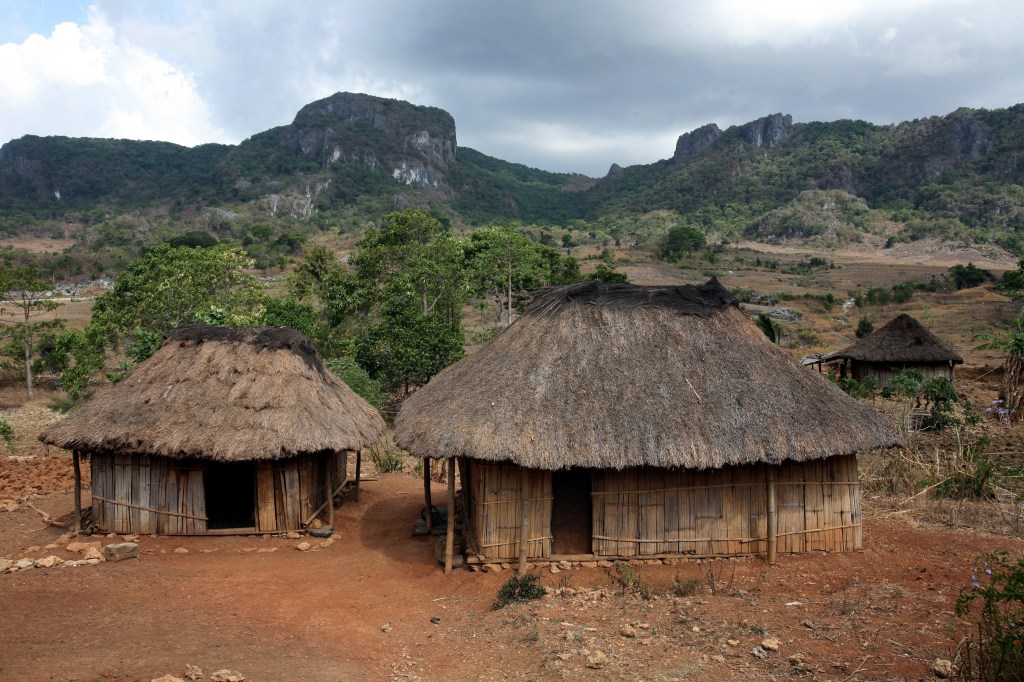
 A thatched roof has been a popular choice in Germany, Denmark, the Netherlands, France, Italy, and Belgium, as well as Ireland and the UK. If you search online, you’ll find examples of early thatching in Japan, Africa, and South America. Maya, Incas, and Aztecs used them. People used what was available and reeds, grasses, and straw were handy choices.

The United States used to have some thatched roofs; early immigrants using what they knew. There wasn’t a native source of reeds or long grasses that can be readily harvested for thatching, so it was soon replaced by wood shingles.

Why was thatching so popular for so long in Ireland? It was easy, inexpensive, waterproof, long lasting, and insulating.

Materials used, such as water reed were easy to obtain and are waterproof. When enough of these are bundled together, water can’t penetrate and will run off. Thatch also has a greater insulating quality than any other traditional roof covering. It will keep a home warm in winter and cool in summer. Another bonus is that it was highly sound-proof. Depending on the quality, and repairs, a thatched roof could last up to forty years.

There were drawbacks to a thatched roof. Ever hear of a canopy bed? People had to come up with some ways to keep animals and insects from falling on them while they slept! Thatch roofs attracted all sorts of animals. Common pests included birds, rats, mice, insects, squirrels, and even household cats.

Another downfall of a thatched roof is it does smell because it’s made from organic material, so it has a distinct scent, both when it’s fresh and as it ages. In visiting places with thatched cottages, I did not notice this at all. Maybe because there was often a peat fire burning, or a stack of peat nearby, so that was the pervading smell, which is very pleasant.

During the Tudor period, thatched roofs started to die off. Wealthy people chose tiles. That also helped to lessen the dangers of a fire spreading so rapidly. London’s first building regulations, the ordinance of 1212, banned the use of thatch to try to avoid the rapid spread of fire.

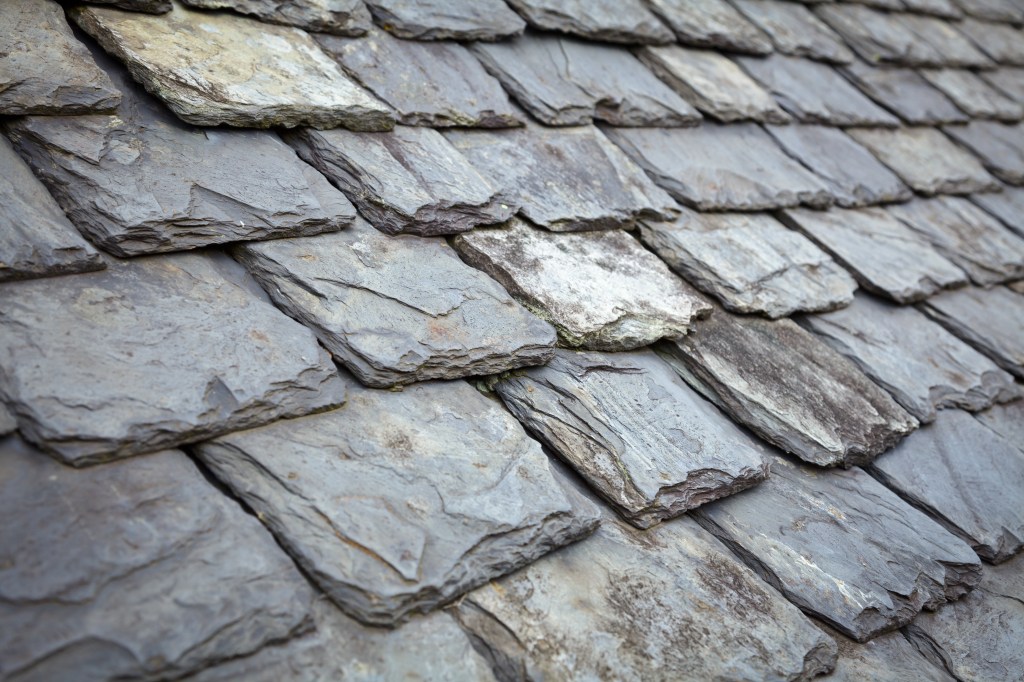
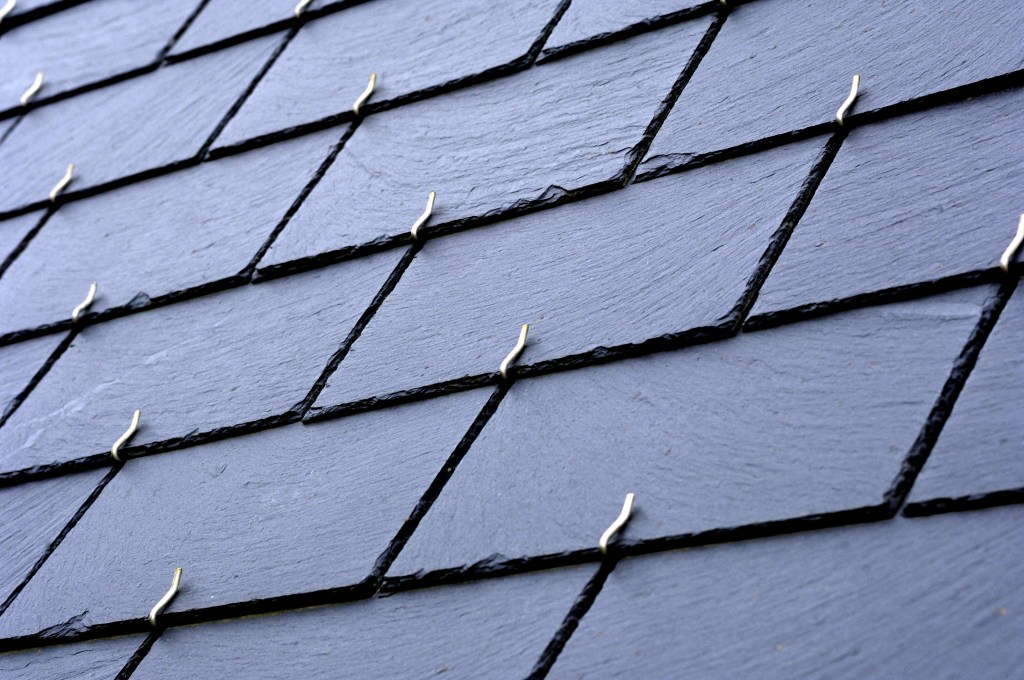
 Poorer people continued to use thatching, and the Irish were poor. Even so, in Ireland people living in thatched cottages started to decline in the 1920s and 1930s as slate roofing, which became a more durable and cheaper alternative, became popular.  

Slate became popular because they last longer. Also, slate doesn’t catch fire as easily. It became cheaper to use than thatch. At one time, hundreds of slate quarries operated in Ireland, but today there is only one working slate quarry in Ireland, the Valentia quarry on Valentia Island off the southwest coast. They opened in 1816 and give tours today.  https://valentiaisland.ie/history_culture/grotto-slate-quarry/#:~:text=Valentia%20Slate%20quarry%20is%20the,more%20about%20this%20fantastic%20place!

One place we stayed had several cottages on site to chose from. They had some thatched, some with slate, and some with modern roofing material. The owners told us it represented Ireland through time. We mentioned how much we loved seeing thatched cottages dotting the countryside. The woman told of a house down the road that the new owners had removed the perfectly good thatch and replaced it with modern roofing tiles. Why would they do that? My husband asked. The woman took a long draw on her cigarette and with narrowed eyes said, ‘They’re British, and they’re Protestant. Need I say more?” No ma’am.

Today, there is some concern over the future of thatched roofs in Ireland. Here’s a snippet from the Irish Examiner: “With fewer than 3,000 still in existence, communities must be supported in their efforts to repair, preserve, and restore the built heritage,” Minister of State Malcolm Noonan said. “Now, more than ever, communities must be supported in their efforts to repair, preserve, and restore the built heritageIt is an integral part of our culture, our sense of pride and is of huge importance to our local economies.” Irish examiner.com https://www.irishexaminer.com/farming/arid-40091318.html

For generations, the trade of thatching was passed from father to son. Today thatching is a specialized skill. Last time I visited Ireland I was pleased to see several new homes being built with thatched roofs. We also saw many being repaired. Thatching a cottage in Ireland today will cost around €10,000-€20,000 and will take about a month or two to complete. A quick search shows several places that will thatch a roof: (They’re interesting to look at.)

http://www.paulcookmasterthatcher.co.uk/

Roof Thatcher

https://www.thatchco.com/index.htm

I think the thatched cottages of Ireland will remain as iconic as harps, shamrock, and leprechauns for the unseeable future. And that’s a good thing.

What do you think about the future of thatched cottages in Ireland?

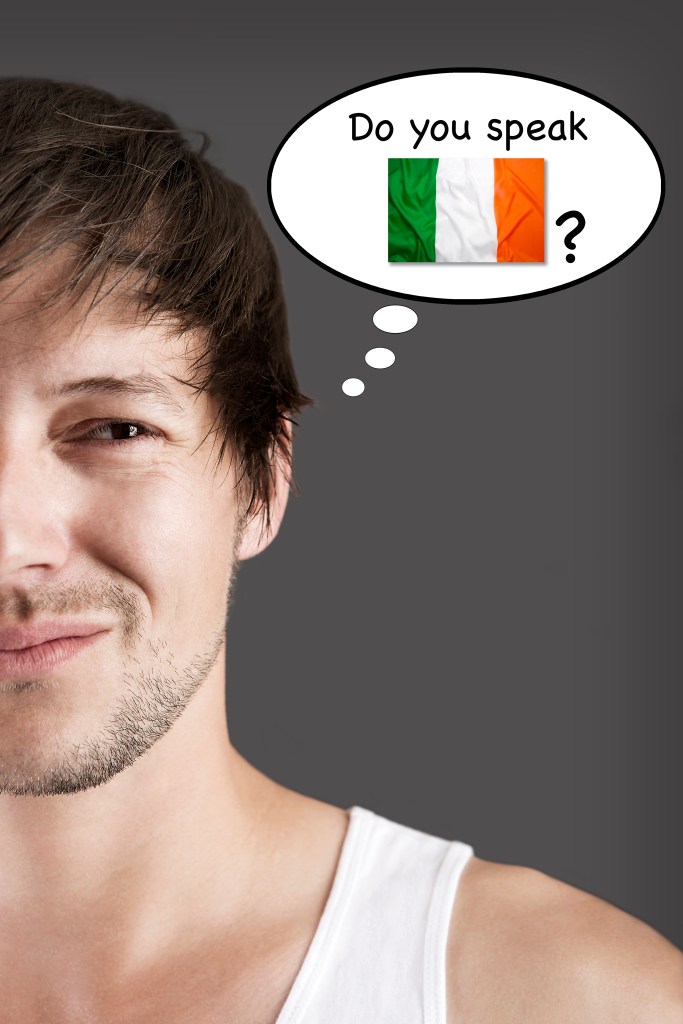
Are you speaking Irish?

Can you understand any of this?

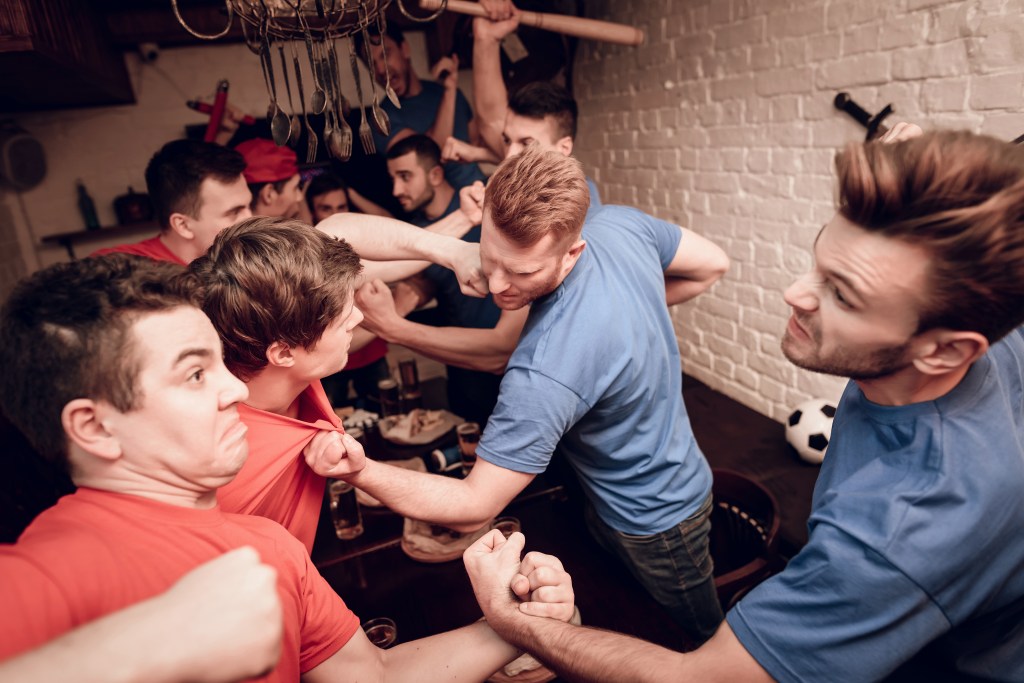
A slew of Hooligans and their buddies were at the boycott. It was a real donnybrook! They smashed whisky bottles to smithereens and shouted phony slogans. They wore matching trousers and brogues. There were slobs galore hanging around who really dug what was going on and shouting, ‘shut your gob!’ to the crowd. It was a bunch of malarkey and no good shenanigans!

Though some words might be outdated or unfamiliar, you’ve probably heard most of these Irish words which made their way into the English language. As a living language, English takes words from all over the world and makes them its own. Irish is no exception and perhaps should be expected as so many Irish have emigrated to England, the United States, Canada, and Australia.

I love this quote by James D. Nicoll: “The problem with defending the purity of the English language is that English is about as pure as a cribhouse whore. We don’t just borrow words; on occasion, English has pursued other languages down alleyways to beat them unconscious and rifle their pockets for new vocabulary.” (I even have this quote on a T-shirt. English nerd alert, I know.) But aren’t words and their history fascinating?

Here are the words I used in my example that have Irish roots:

  1. Hooligan: This one surprised me. It actually comes from a surname, Houlihan (O hUallachain). They were apparently notorious for being a raucous bunch. The name became a sort of slur on the Irish, as ‘all Irish are unruly drunkards/hooligans’. Now it refers to someone up to no good in a mischief sort of way. Here’s a fun article for more information if you’re interested: https://qz.com/1306921/world-cup-2018-hooligans-is-an-ethnic-slur-in-history
  2. Donnybrook: This is a name of a district in Dublin. (Irish-Domhnach Broc) It has come to mean a free for all fight. That’s due to a fair that was held in Donnybrook every year from about 1204 to 1866. Must have been some fair! You can read more here: https://iomst.ie/a-brief-history-of-donnybrook-fair/#:~:text=This%20was%20the%20message%20to,fair%20was%20closed%20for%20good.
  3. Slew: According to the Merriam-Webster dictionary, Slew may be from slua/sluag meaning army/host/throng. It was used as part of a war-cry. Here’s a fun little read: https://mashedradish.com/2016/03/17/four-leaf-etymologies-slew/
  4. Slogan: A call/cry.This goes hand in hand with slew. The war-cry was, ‘sluag gairm’, or a call to arms. The Scottish also used this term.
  5. Galore: Back to the Merriam-Webster dictionary; Irish from go leor. It meant ‘enough’. We tend to use it as more than enough. “There were pies galore at the Donnybrook fair.”
  6. Boycott: Another surprise. Boycott is a last name. Charles Cunningham Boycott was an English land agent in county Mayo. He, and others like him, evicted Irish tenants in heartless and cruel manners as well as overcharging rents. This led to a land war all over Ireland in the 1880s. (And led to mass emigration once again, the Famine being the first wave.) The town shunned him in every way they could; they stopped work, refused to sell to him, etc. He wrote to a London paper and troops were called in. Basically, all hell broke loose. The idea of shunning- or Boycotting – caught on and gave the poor of Ireland some power. It became a popular way to fight the British. Interesting article here for more: https://www.irishcentral.com/roots/history/irish-invented-boycott
  7. Smithereens: Pretty straight forwardsmiodar to smidirin to smiddereens to smithereens.Means small fragments.
  8. Buddy: I stumbled into a hornet’s nest on this one. Some believe that much of our slang came from the streets of NYC with all the Irish and Irish gangs in the late 1880s to early 1900s. This is one of those words. Bodach, which translates to ‘strong, lusty youth’. Others disagree and would contend that it’s all malarkey. Fascinating article here: https://www.irishcentral.com/roots/history/irish-words-litter-new-york-slang
  9. Slob: from Vocabulary.com; Irish, Slab, which means ‘mud’. The expression slob comes from ‘slob of a man’. Meaning someone who worked in muddy land or bogs. https://www.vocabulary.com/dictionary/slob
  10. Whisky: ahhh, the water of life. Literally. Uisce means water. Beatha means of life. Usquebaugh. Interesting sideline; Whiskey is Irish and United States. Whisky is Scottish/Canadian. (It has to do with where the grain is distilled, but it was getting too technical for me.)
  11. Brogues: are shoes with small holes in them, originally meant to allow water and mud to ooze out, keeping one’s feet sorta dry. Now, they’re classy shoes. From Merriam-Webster: comes from the Irish word brog. Which means shoe. Probably comes from Old Norse (Vikings invasions). Brogue as an accent comes from a different word, barrog.

12. Dig: (slang) An dtuigeann tu? Do you get it? Dig it?

13. Gob: etymonline.com/gob says, ‘1540s Irish for mouth. Related to English gobbet. Related to goblet.’ I wonder if the British gobsmacked is also related?

14. Phony: Love this one! From Dictionary.com: “…likely comes from an old con known as the fawney rig. Fawney is…Irish for ‘finger ring,’ and rig is an old term for ‘trick’ or ‘swindle’. Check it out: https://www.dictionary.com/browse/phony#:~:text=While%20the%20exact%20origins%20of,trick%E2%80%9D%20or%20%E2%80%9Cswindle.%E2%80%9D

15. Trousers: The Irish were wearing trousers long before it became popular among men (and women). Trius to trouzes to trousers.

16. Shenanigans: What surprised me the most about this word is a disagreement of its origin. It could come from the Irish sionnachuighim which translates to “I play the fox”. There’s quite a discussion on reddit too—from defending Irish to saying it’s a Spanish word, (Chanada) to a German word (Schenigelei). Shenanigans is a fairly recent word that appeared about 1855 in California. Here is a short and sweet article for you to decide where you think it originated: https://www.worldwidewords.org/weirdwords/ww-she1.htm

17.  Malarkey: Definitely Irish, right? Well…the Oxford dictionary says, ‘specific origin is unknown’. It only came into use in the 1920s. However, the Visual Thesaurus states that it was made popular by Thomas A. Dorgan, a cartoonist of Irish descent. It certainly sounds Irish. Check it out here: https://www.npr.org/sections/thetwo-way/2012/10/12/162791655/whats-all-this-malarkey-about-malarkey#:~:text=According%20to%20Oxford%20Dictionaries%2C%20malarkey,word%20hasn’t%20been%20established.

One article I read pointed out (and rightly so) that compared to other languages, there aren’t a lot of Irish words in the English language. Speaking Irish, in Ireland, was looked down upon by the English. If you wanted to survive in the English controlled Ireland, one had to learn English. The Irish were made to feel shame in speaking their language. As the Irish immigrated, they wanted to fit in their new country, so they lost the Irish.

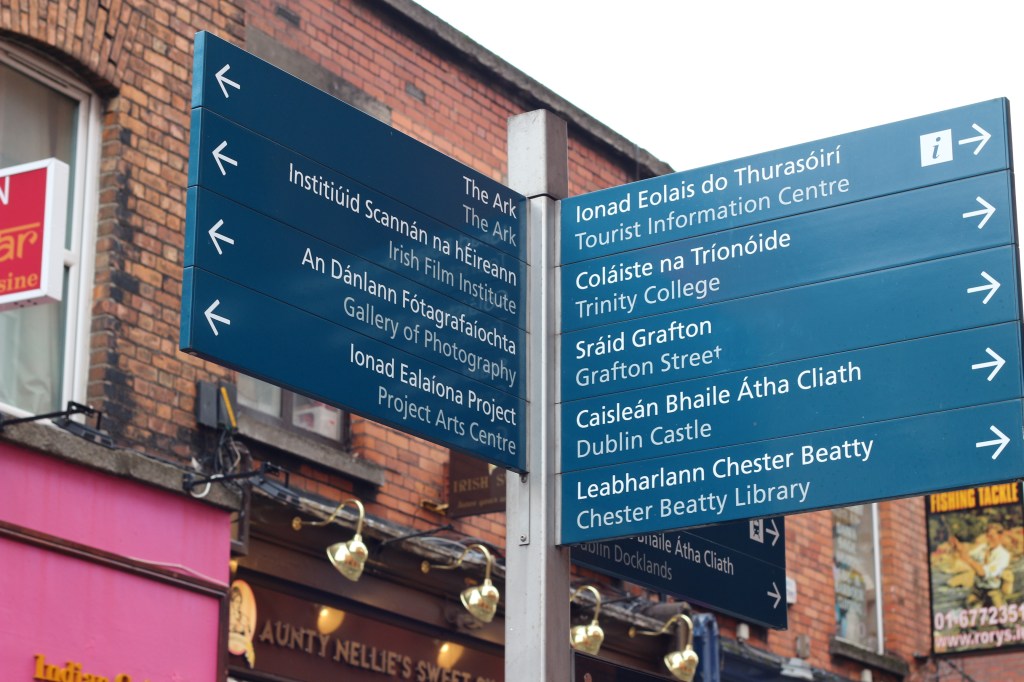
In Ireland, it became a secret language. Since Ireland reclaimed most of their country in 1922 they’ve worked to bring their language back. Roughly one million people speak Irish worldwide. It’s mostly a second language in Ireland, English being the first. The Connaught area has the most Irish speakers. Everyone on Inis Mor spoke Irish; it was really nice to listen to it. I found many speaking Irish in the Galway area. At LaGuardia I asked the man at the counter of Aer Lingus, who was from Ireland, if he spoke Irish. He appeared somewhat insulted and informed me he was from Northern Ireland and of course he didn’t speak Irish.

Were you familiar with any of the words on my list? What did you think about Shenanigans and Malarkey—Irish or not? Let me know if you found this interesting or helpful.

Slan for now.

Leprechauns

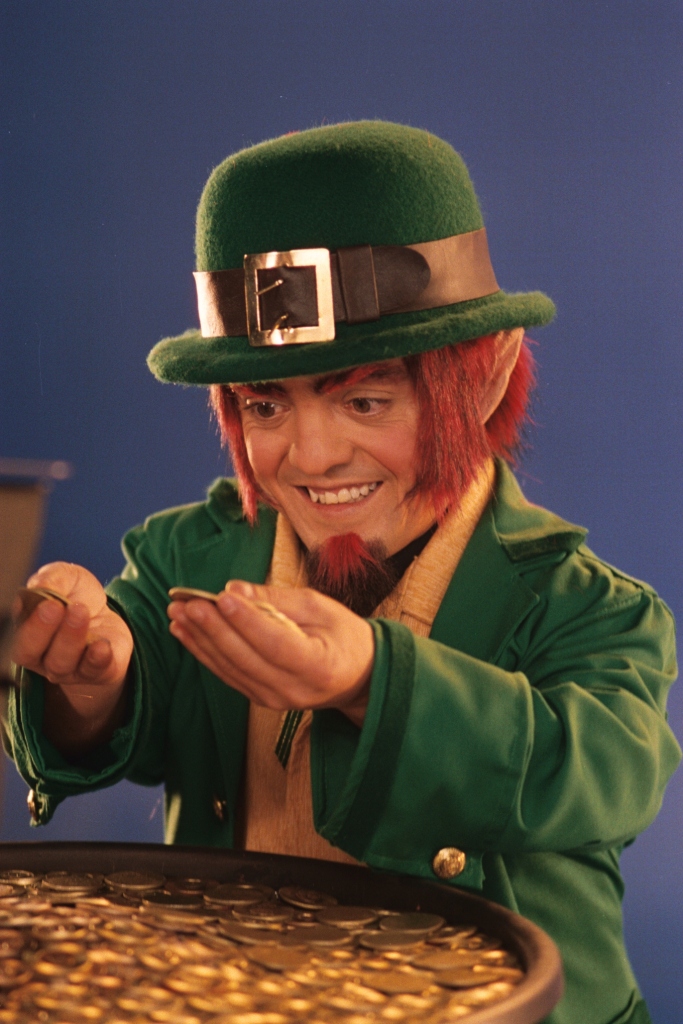
Quick – what’s the first thing that comes to mind when I say, ‘Ireland’? If you thought of a leprechaun, you’re certainly not alone. A wee man, the leprechaun is iconic and several happen to appear across the United States every March. Maybe you’ve seen one.

When it comes to Irish creatures, the leprechaun falls into the not particularly harmful category. We know they are bearded fairies dressed in green (red in older stories), are mischievous, love gold (which they keep hidden at the end of a rainbow), and are rather irreverent, yet loveable. Living alone in remote areas, Leprechauns were typically shoemakers in the tales of yore.

Where did they come from? According to etymonline.com/word/leprechaun, it was thought the word came from the Old Irish luchorpan, meaning “a very small body.” However, Simon Rodway, Michael Clarke, and Jocopo Bisagni (Cambrian Medieval Celtic Studies) believe the root of the word comes from the Roman Luperci. Which is funny since they were young men who ran around naked at the festival of Lupercalia. Due to a couple hundred years and translation errors, these Luperci ended up at the leprechaun we know today. (Sounds like an Irish tale to me…)

The first time leprechauns appear is in a story about Fergus, a king of Ulster, in about the 7th century. Here, leprechauns can live under water and grant wishes.

After the English discouraged all things Irish, the wee folk were kept alive only in folklore. Yeats, the great Irish writer, and part of a revivalist movement to bring back Irish-ness to the world, reintroduced the leprechaun. (Late 19th century) It was a hit!

One of my favorite (new) traditions: Head to the Cooley mountains in County Louth to a placed called Slieve Foye, home to the last leprechauns, in April. Dress up as a leprechaun (or not) and see if you can find any hiding in the nooks of the mountains. If you do see a leprechaun, do not take your eyes from them for even a second as they will disappear. They have storytelling and activities along with the search for the wee folk. 236 leprechauns are known to live there. (I’m not making this up!) https://www.independent.ie/regionals/argus/localnotes/leprechaun-hunt-returns-to-slieve-foy-34541789.html and https://www.thelastleprechaunsofireland.com/

However, you are asked to not capture leprechauns.  Slieve Foye has been granted, by the EU, protected sanctuary rights—meaning leprechauns are protected under European law. (Also protected are animals and flora.)

The Clurichaun is sometimes considered the bad-tempered cousin to the leprechaun. They’re also trickers, but rather than being a man, they take the shape of an old man. They also vanish if you take your eyes from them. Clurichauns are know to like alcohol even more than leprechauns.

If you’re looking for a movie to celebrate St. Patrick’s Day try the classic, Darby O’Gill and the Little People. Finian’s Rainbow is another one. I also enjoyed The Luck of the Irish. There is a horror movie titled Leprechaun, if you’re into that sort of thing. I think that’s just wrong. (Besides, what kind of Irish name is Lubdan Buttowski?)

Meanwhile, wishing you and yours “Leprechauns, castles, good luck and laughter…”

The Colors of Ireland’s Flag

The Emerald Isle – Forty shades of green – Green beer – Shamrocks – Wearing of the Green – Green Leprechauns; what is up with Green being associated with Ireland?

Not only is the landscape considered lush and green, but the color itself has important, as well as, political meaning.

St. Patrick, the patron saint of Ireland, is said to have explained the Holy Trinity by using the shamrock, a type of clover, which grows profusely in Ireland. (Seamrog is the Irish word for ‘little plant’ and hence, shamrock.) But that’s only the beginning.

The English had been trying for several hundred years to subject the Irish into submission. Which the Irish resisted through countless rebellions and strife. Probably where the idea of Irish stubbornness comes into play. Sometime in the early 18th century, soon after the rebellion of 1798, green became the color of Irish nationals. Patriots began wearing green ribbons to show their support of Ireland and its independence. The English were not amused.

Ever attempting to quell Irish rebellion, a ban on wearing green was enforced. You may have heard the popular Irish song, The Wearin’ of the Green. It was written at the time of this ban and is still sung today. Here is part of the song:

“O Paddy dear, and did ye hear the news that’s goin’ round?
The shamrock is by law forbid to grow on Irish ground!
No more Saint Patrick’s Day we’ll keep, his color can’t be seen
For there’s a cruel law ag’in the Wearin’ o’ the Green.”
I met with Napper Tandy, and he took me by the hand
And he said, “How’s poor old Ireland, and how does she stand?”
“She’s the most distressful country that ever yet was seen
For they’re hanging men and women there for the Wearin’ o’ the Green”.”

(There are several versions of the song, all with the same theme.)

Ironically, this ‘ban’ forever joined Ireland to the color green. As many Irishmen and woman were forced to leave Ireland for many counties, including America, Australia, and England, and they brought their pride of Ireland with them by ‘wearin’ of the green’.

As the Irish were Catholics, and religion is a political issue in Ireland, green was the color associated with the Catholic Irish.

How does orange come into all of this? William of Orange, a protestant king of England, came to the ‘rescue’ of Irish protestants in the late 1680s. He fought alongside his army in the battle of Boyne and is considered a hero to the protestants in Northern Ireland. You can read a great account here: https://www.libraryireland.com/biography/WilliamIIIofOrange.php

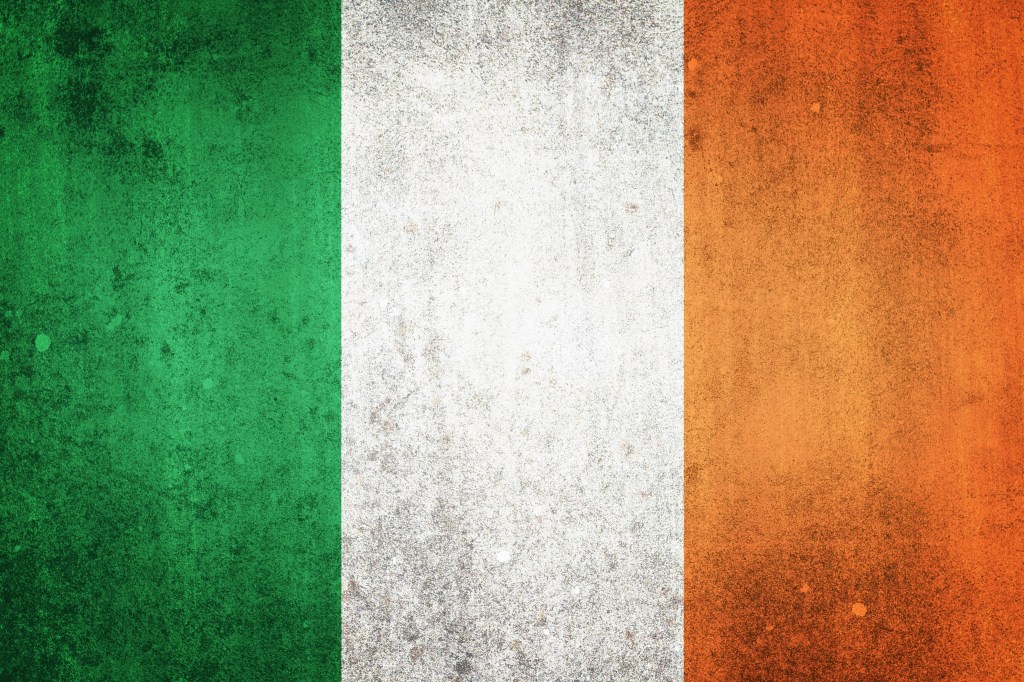
Bringing it to basics then: green is for (Catholic) Irish independence and Orange is in support of Protestants and against an Irish Free State. (Which now exists, after the Easter uprising of 1916 and is known as Ireland rather than Irish Free State – Northern Ireland is still part of the UK.) In some renditions of the Irish flag, the orange may appear gold, but the official color is orange.

White is the hope for peace between Catholics and Protestants.

As late as 2005, the IRA (Irish Republican Army) was active in trying to unite all of Ireland into one country. They announced an end to armed conflict in 2005, bringing some peace to a land torn by war, rebellion and uprising for hundreds of years.

Growing up in NJ I remember St. Patrick Day’s parades where supporters of Ireland wore green and Irish Protestants wore orange. It was a pretty big deal. Maybe a few fights would break out – just a bit of shenanigans by some hooligans drinking too much green beer.


Visiting Ireland

When is a good time to visit Ireland?

The weather is fairly consistent year round; rain, wind, mist, and cooler temperatures being the general rule. The average temperature is a mild 50 degrees, emphasis on the mild. July and August are the warmest months with temperatures in the mid 60s to 70s. Plus, it doesn’t get dark until about 11pm. Whenever you go, plan on some warmer weather outfits, an umbrella, hiking shoes, and a scarf.

I’ve only been to Ireland three times so far; once in June, then in October, and finally in August. One of my daughters went in March – so that gives a wide range of seasons. Since the weather is fairly consistent, I would suggest you NOT go during high season (summer). Here are some reasons why:

  • Prices: From B&Bs/hotels to car rentals, you will save a lot of money if you travel out of season. I think we spent three times the amount in August that we did in October.
  • Attractions: By mid March to min October, most everyplace you want to see is open and much less crowded. Avoid those tour buses, lines and crowded pubs by traveling off season.
  • Driving: Whether you’re driving a rental or taking a tour bus, the going will be easier without crowds. Most roads are much smaller than we are used to (how those big buses maneuver those twists and turns is a wonder) and getting around is just better off season. (Though you may miss a battle of the buses as several try to jockey for the turn in the road and the tiny space to pull off for a view.)
  • More personal: The Irish are some of the friendliest people in the world. Since the shops and attractions won’t be as crowded you will have more personal attention and will get to know the locals better.

However, if you can only travel in the summer – go for it! I thought it would be awful in August, but it was fine. Some of that will depend on where you go also. It’s much busier in the bigger cities and The Ring of Kerry, so plan accordingly and have fun.

In the summer the weather is usually warmer, all attractions are open, the landscape is greener with flowers in full bloom, and more B&Bs are open. Make sure you call ahead for lodging.

Was this helpful? What have been your experiences?