

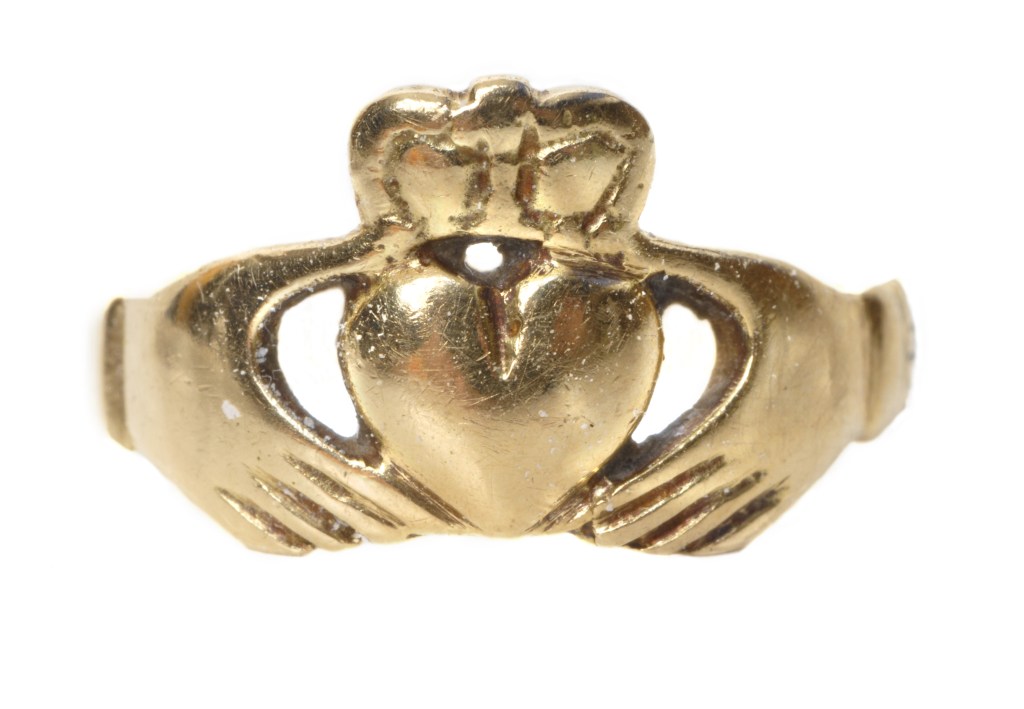
The Claddagh ring has become a symbol of Ireland across the globe. You’ve probably seen one, or may even own one. Do you know the story behind the ring, its meaning, and how to wear a Claddagh ring?
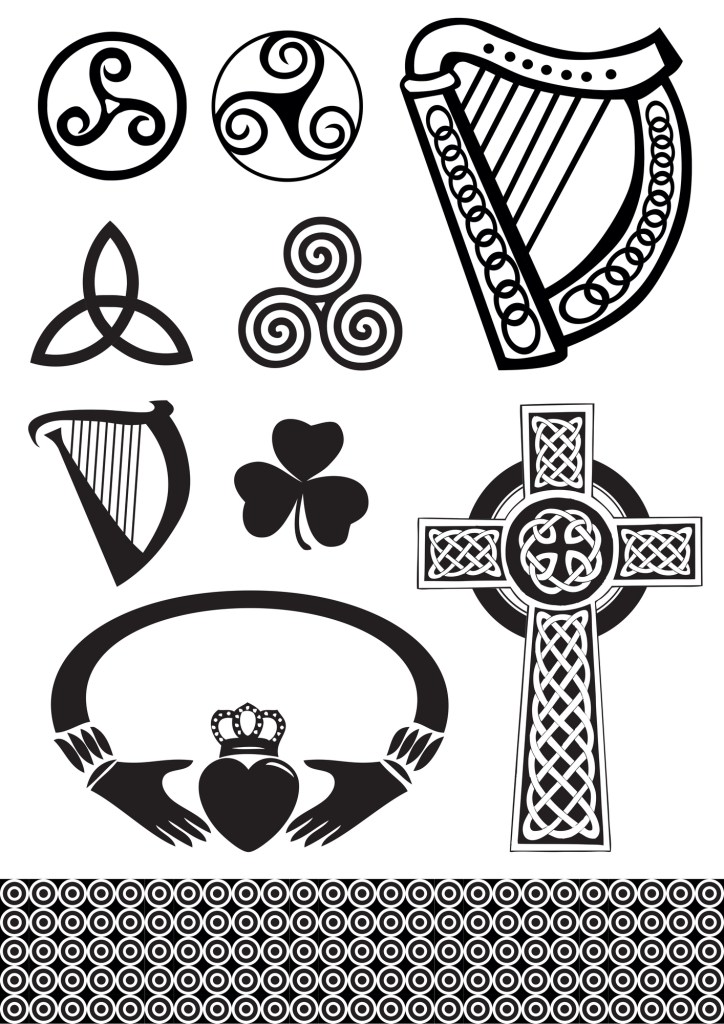
The Claddagh is a relatively new symbol of Ireland as it dates to the 1700s. There are a few stories surrounding its creation. One is Margaret Joyce. She married a Spaniard who left her half his fortune when he died. She used her wealth to build bridges in Galway and Sligo. Because she was so good and generous an eagle dropped a ring in her lap—the first Claddagh. Imaginative, yes. Likely? Not so much.
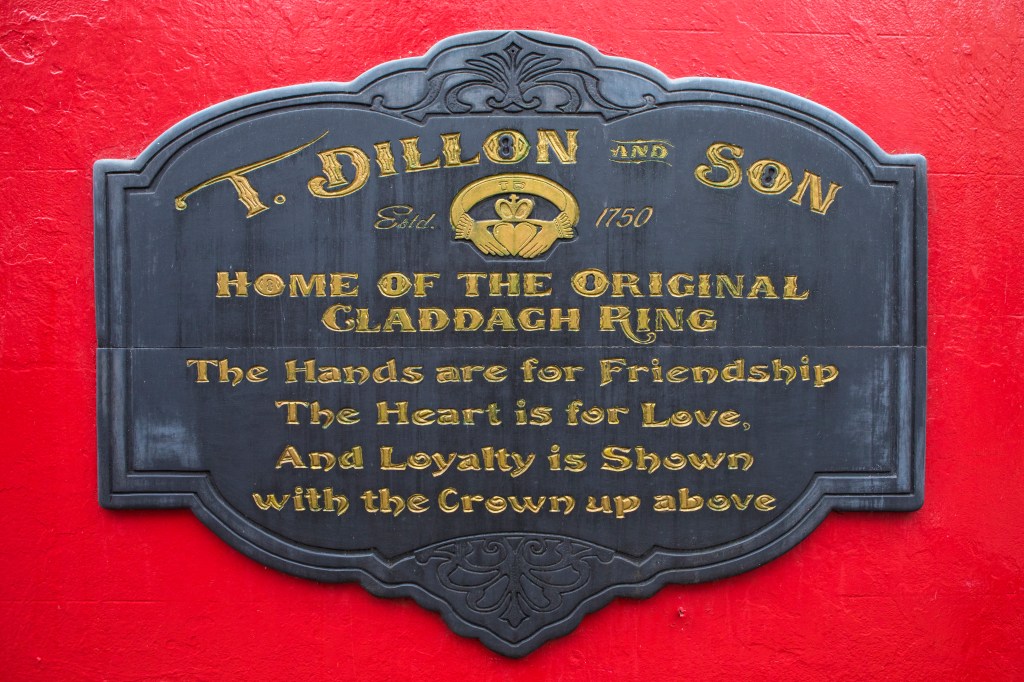
That’s not the story we heard at Dillon of Galway. They are the only firm still in existence since 1750 making the Original Ring. (https://claddaghring.ie/our-company/) When we were there, they had a nice little video showcasing the ‘true’ story behind the ring. There are many, many places that make gorgeous Claddagh rings as well; Google search will bring up tons of places. Then you can get lost in all the beautiful Irish jewelry available. (Mother’s Day is coming up…)
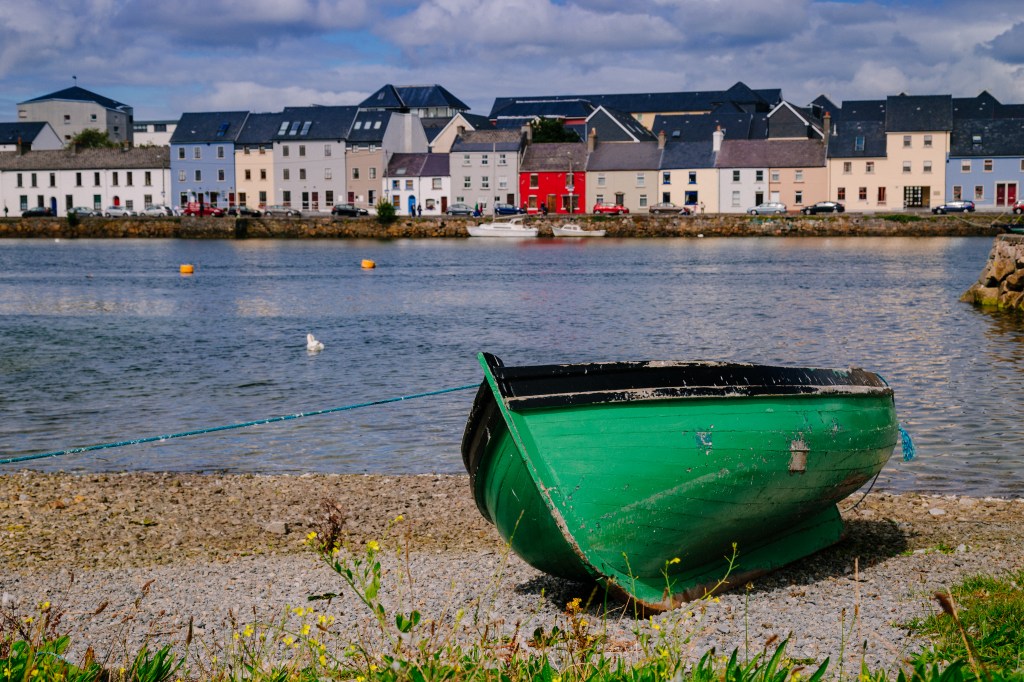
History/Legend: Claddagh (meaning rocky shore) was a small fishing village near Galway. And it remained so until the 1930s. More interesting information here: https://www.irishcentral.com/roots/history/claddagh-galway
Richard Joyce lived there in the late 1600s. The Joyce family was one of the original tribes of Galway, meaning his family was one of fourteen merchant families. Young Richard was not a poor peasant. He was in love with a young woman. (Her name has been lost to history.) They had plans to marry. Before doing so, he sailed to the West Indies (maybe as an indentured servant, maybe to learn more skills—or both). Unfortunately, pirates attacked and he was taken prisoner and later sold as a slave in Algeria. Fortunately, he was bought by a kind master who was a goldsmith. Recognizing Richard’s skill and intelligence, he taught him the trade. He was in Algeria for fourteen years.
William 111 became the King in 1689. He demanded that all British subjects enslaved be set free. Richard’s master complied, however, he hoped Richard would stay. He offered a daughter to wife and half of everything he owned. Richard refused; he wanted to return to Ireland and his sweetheart. She had waited all those years for him, hoping and praying for his safe return. He created the first Claddagh ring for her, as a wedding ring. Richard also began his own jewelry shop, making the ring for others as well. It became a popular wedding ring and was often handed down from mother to daughter.
Meaning: The heart symbolizes love, the hands signify friendship, and the crown stands for loyalty. Even though there are many variations now, the meaning is the same. Today it can be a gift of friendship, love, marriage, and Irish heritage. It was once considered bad luck to buy one for yourself, but that is no longer believed.
How to wear a Claddagh ring: If single, where it on your right ring finger, with the point facing out to show that you are available. If you are dating, the point goes inward. If engaged, it goes on the left ring finger with the heart outward. Once married, turn the point inward. Of course, you can wear it anyway you like, but that is the tradition. I wear mine on a pinky finger—and no one has commented on it.
The original Claddagh didn’t have gems or stones in it, but now you can have any stone/gem. Anyway you choose to have one, it’s a stunning piece of jewelry.
Take a look here to see a Claddagh with Connemara marble:
Connemara marble is only found in Ireland’s wild Atlantic coast and makes a beautiful, extra Irish statement. Here you find more about where it comes from: https://connemaramarble.com/ and here: https://www.visitgalway.ie/things-to-do/museums/connemara-marble-visitor-centre/#google_vignette
Is the story of Richard Joyce true? In Galway, there is no question. Either way, it’s a romantic story and beautiful ring. I love mine.

 All Things *Ancient* Irish